Escaping the Walled Garden: Inside claw-codes
How a clean-room reimplementation of proprietary AI tools created a secure, model-agnostic execution engine for autonomous coding.
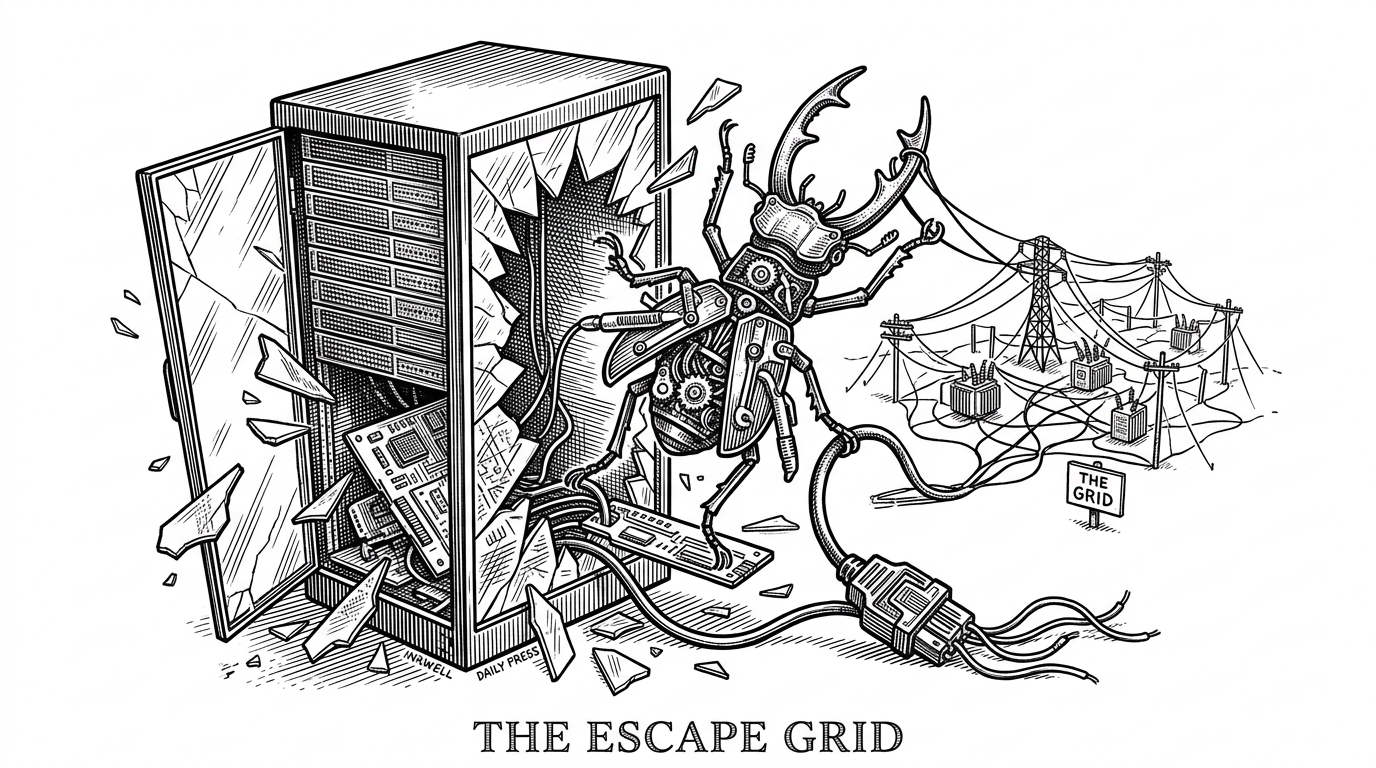
- Claw Codes strips away vendor lock-in by decoupling the agent reasoning loop from specific LLM providers using standard Model Context Protocol clients.
- The system mitigates the risks of autonomous CLI execution through a hybrid Bridge architecture that routes dangerous commands to a sandboxed remote environment.
- To handle the state-machine complexity of multi-agent loops, the core orchestrator is actively being rewritten from TypeScript to a high-performance Rust engine.
The Clean-Room Rebellion
The sudden availability of proprietary agent architecture via a massive 512,000-line source leak catalyzed a movement. Developers realized the power of autonomous coding assistants but rejected the walled gardens they operated in. The claw-codes project emerged not as a pirated copy, but as a clean-room reverse engineering effort.
The goal is to provide a harness that developers can inspect, modify, and extend. By rebuilding the core orchestration logic from scratch, the creators are attempting to democratize the underlying architecture of top-tier AI coding assistants.
fastest repo in history to surpass 50K stars, reaching the milestone in just 2 hours.
Decoupling the Brain from the Hands
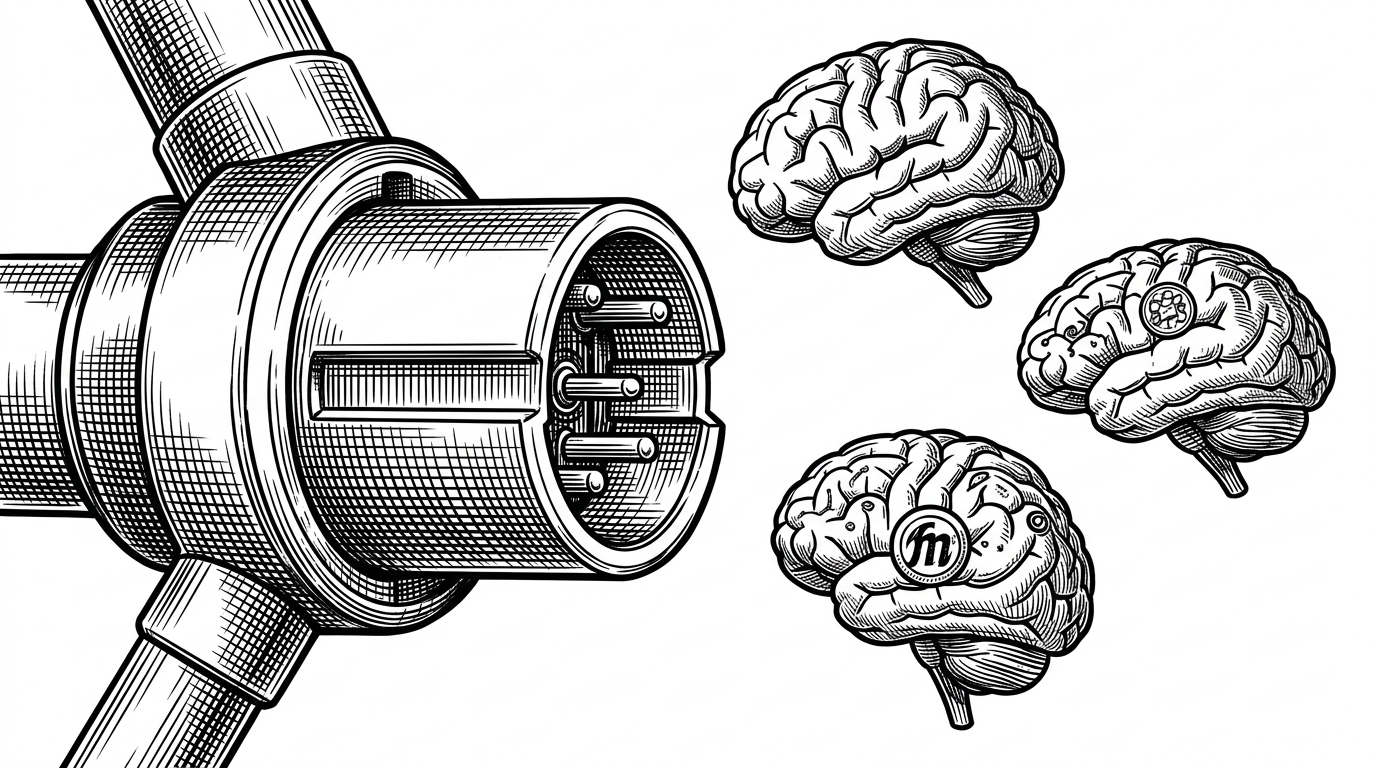
The fundamental differentiator of claw-codes is its model agnosticism. Proprietary agents are typically locked to a specific API. The Query Engine in claw-codes decouples the agent framework from the LLM provider.
This core TypeScript loop manages turns and iterations of LLM reasoning. By utilizing standard Model Context Protocol (MCP) clients, developers can plug in GPT-4, local Ollama models, or Gemini dynamically.
Engineering a Paranoid Execution Environment
Letting an AI run arbitrary terminal commands on your local machine is inherently dangerous. The claw-codes architecture addresses this through a paranoid execution environment defined in the bridge directory.
The system implements a ToolPermissionContext with strict denial rules. It utilizes a hybrid execution model that routes safe, approved CLI tasks to local bash execution, while offloading dangerous tasks to a remote Cloud Computer Runtime (CCR) sandbox.
The Rust Rewrite and the Cost of State
Managing the state machine of an AI agent involves tracking thousands of tokens, managing sub-processes, and maintaining high-fidelity OpenTelemetry instrumentation. The sheer computational overhead of this orchestration hit the performance ceiling of a standard TypeScript runtime.
To solve this, the orchestrator is undergoing a massive rewrite into Rust. This transition aims to handle the complex state-machine requirements of multi-agent loops with the necessary speed and memory safety.

The Post-Proprietary Developer
Proprietary agents often function as black boxes, hiding their reasoning and telemetry from the user. Claw Codes provides an open, heavily instrumented alternative.
Simple bug fix (missing null check in a Prisma query): Claw Code found and fixed it in 47 seconds. Claude Code did it in 30. Close enough for a v0.3 project.
| Feature | Proprietary Agents | claw-codes |
|---|---|---|
| LLM Lock-in | Single-vendor API | Agnostic (GPT, Claude, Ollama) |
| Execution Sandbox | Blind local execution | Hybrid (Local + Remote CCR Bridge) |
| Telemetry | Black-box opaque metrics | OpenTelemetry (cost, turn counts) |
| Architecture | Proprietary monolith | Modular TS/Rust engine |