pumpfun-bundle-launcher Turns One Wallet Into a Crowd
How a Solana launch script uses Address Lookup Tables, Jito bundles, and wallet fan-out to make a token debut look organic, atomic, and hard to front-run.
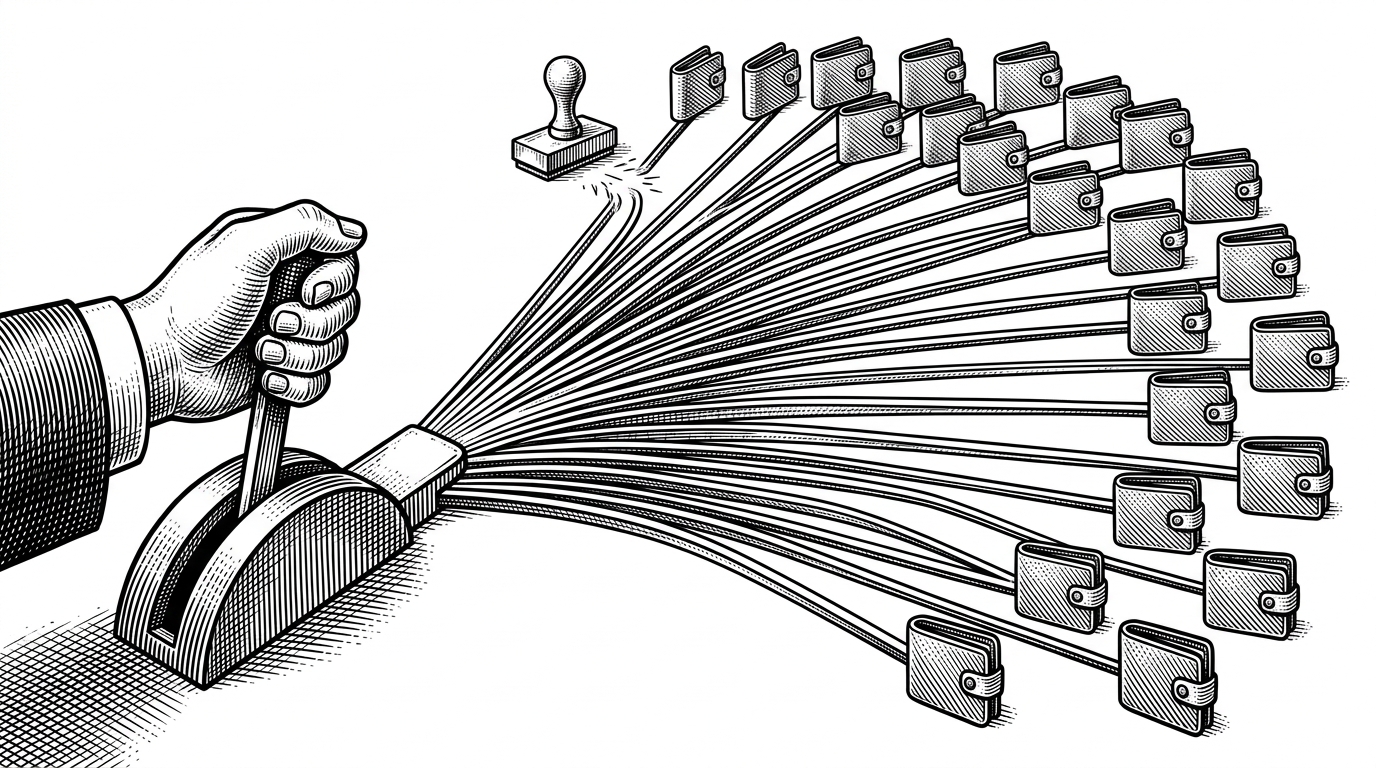
- The repo turns a token launch into a synchronized performance where one operator can make the first block look like organic demand.
- Its technical trick is not just automation, but coordination across 24 wallets, lookup table compression, and bundled submission.
- Jito changes the timing model by making inclusion and ordering part of the launch strategy, not an afterthought.
- The code is revealing because it exposes the mechanics instead of hiding them behind a polished launcher UI.
One Launch, 24 Wallets, Zero Time Gap
The pitch is blunt: one person can stage a launch that looks like a crowd. `pumpfun-bundle-launcher` creates buyer wallets, funds them, compresses their account references, and submits the whole sequence as a single bundled action. On-chain, that matters because the first block shapes perception as much as price.
Why Pump.fun Launches Became an Arms Race
This repo only makes sense in a market where launch-day visibility is contested. Snipers race in at the first sign of liquidity. Analytics tools compress early trades into reputational heuristics. A creator who wants the launch to look healthy has to occupy the opening seconds before everyone else does.
| Pressure on the launch | What it does | What a bundler tries to do |
|---|---|---|
| Sniper bots | Buy before the creator can establish distribution | Win the first atomic execution window |
| Bubble map heuristics | Reveal concentrated ownership fast | Make holdings look split across many wallets |
| Launch visibility | Turns the first block into a public signal | Shape the signal before outsiders react |
| Transaction size limits | Restrict how many instructions fit at once | Compress accounts so the bundle still fits |
Compared with a generic launch script, this repository is more explicit about the social problem it is solving. It is not just trying to automate a token launch. It is trying to preempt interpretation.
The Repo’s Core Trick: Fan Out, Compress, Bundle
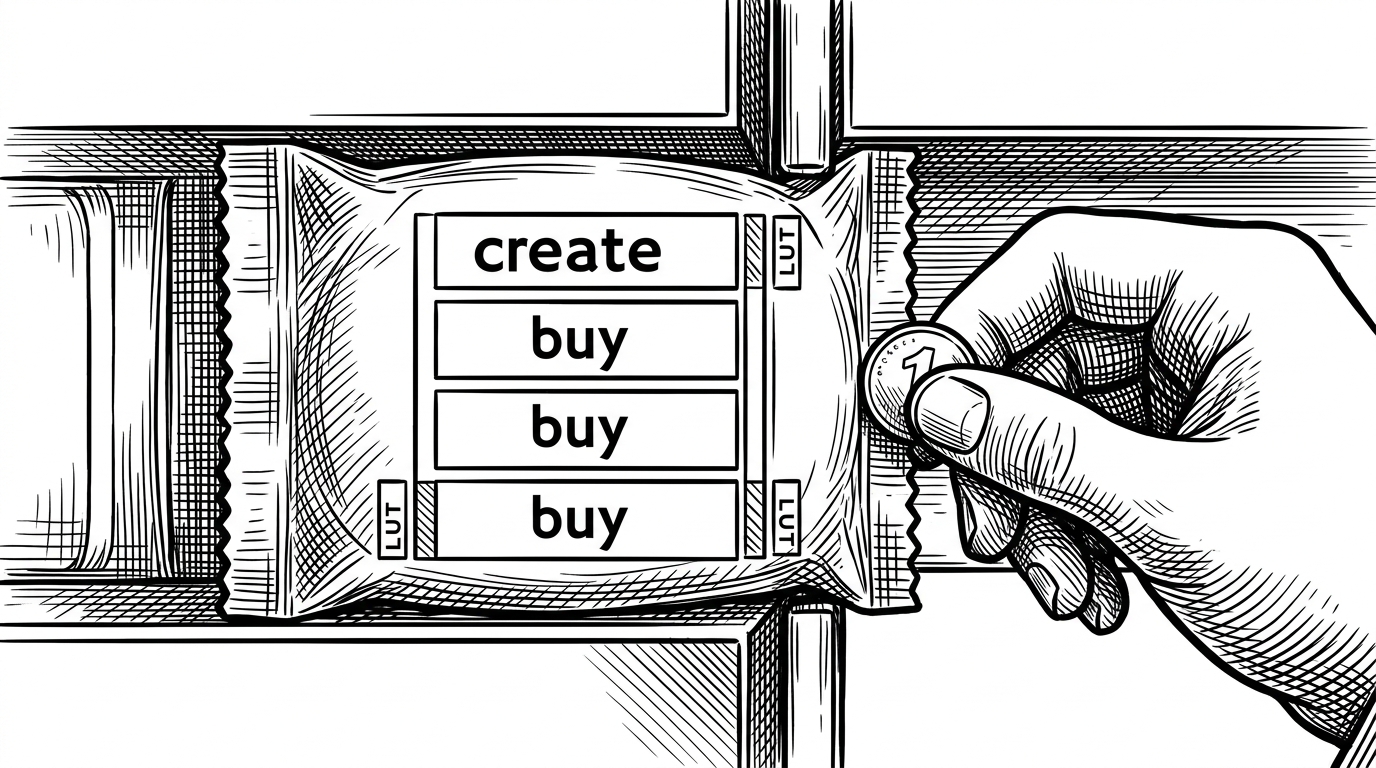
The workflow is simple to describe and slippery to execute. First it generates a set of local buyer keypairs. Then it funds them, builds a lookup table so the account list fits, and sends create plus buy instructions through Jito as one atomic bundle. The result is not just execution. It is a launch that arrives already narrated as a crowd.
// Simplified view of the launch flow
const keys = await createKeypairs(24)
await sender(keys, fundingAmount)
await extendLUT(connection, payer, keys)
const bundle = await buildFlashBundle({
  create: createTokenIx,
  buys: keys.map(k => buildBuyIx(k)),
  tip: tipAmt,
})
await sendBundle(bundle)
Inside main.ts: A CLI That Behaves Like a State Machine
The orchestration layer feels like a menu, but it behaves like a staged deployment machine. `main.ts` walks the operator through key generation, pre-funding, launch, and exit logic. That matters because the script is not trying to be elegant. It is trying to keep a fragile blockchain workflow in the right order.
while (true) {
  const choice = prompt(menu)
  switch (choice) {
    case '1':
      await createKeypairs()
      break
    case '2':
      await sender()
      break
    case '3':
      await buyBundle()
      break
    case '4':
      await sellXPercentagePF()
      break
  }
}
Why Address Lookup Tables Matter More Than They Sound
Solana transactions are tight. Twenty-four wallets plus launch instructions would blow past the payload limit without compression. That is why the LUT is not a convenience feature here. It is the thing that makes the whole design physically possible.
| Without LUTs | With LUTs |
|---|---|
| Full account addresses inflate the transaction | Accounts are referenced by compact indices |
| The bundle overflows quickly | The bundle fits the instruction set |
| Fan-out has to be reduced | Fan-out can stay near the intended wallet count |
| The launch becomes clumsy | The launch stays atomic |
The Jito Tip Is Not a Fee. It Is a Priority Signal
The tip is doing coordination work. It helps the bundle compete for inclusion and preserve ordering, which is exactly why it matters in a launch script. Calling it a normal fee would miss the point. It is part of the timing strategy.
That makes the tool technically interesting and ethically loaded. The same mechanism that helps a creator avoid being front-run also helps them shape what the market sees first.
How This Differs From Other Bundlers
Other projects in this space often hide complexity behind a smoother interface or stop at fewer wallets. This repo is rougher, but also clearer about its intent. It exposes the choreography: keypairs, LUTs, bundle assembly, and priority signaling, all in one place.
| Capability | pumpfun-bundle-launcher | Typical launch bundler |
|---|---|---|
| Wallet fan-out | Up to 24 buyer wallets | Often fewer wallets or less explicit fan-out |
| LUT support | Core to the design | Sometimes optional or abstracted away |
| Jito route | Direct bundle submission | May support alternative routes or hide transport details |
| Metadata flow | IPFS upload is part of the workflow | May be separated from launch logic |
| Bubble-map pressure | Explicitly optimized against it | Often mentioned, but less central |
| Operational feel | Raw and direct | Polished and productized |
That difference matters editorially. A polished tool tells you what it wants you to do. This one tells you what the launch machine has to do to win the first impression.
What the Code Reveals About the Launch Economy
The deeper story is escalation. Token creators are not only issuing assets. They are engineering the appearance of distribution, timing, and legitimacy. `pumpfun-bundle-launcher` is a clean example of that shift: launch mechanics have become narrative mechanics.
That is why the repo feels both clever and uneasy. It is a compact demonstration of how on-chain markets reward choreography. The code is not just moving tokens. It is moving attention.