Reclaiming the Island: Inside the ShimaStyle SpringBoard Hijack
How a lightweight Objective-C tweak uses multi-tiered hooks and private APIs to turn Apple’s most rigid UI element into a customizable canvas.
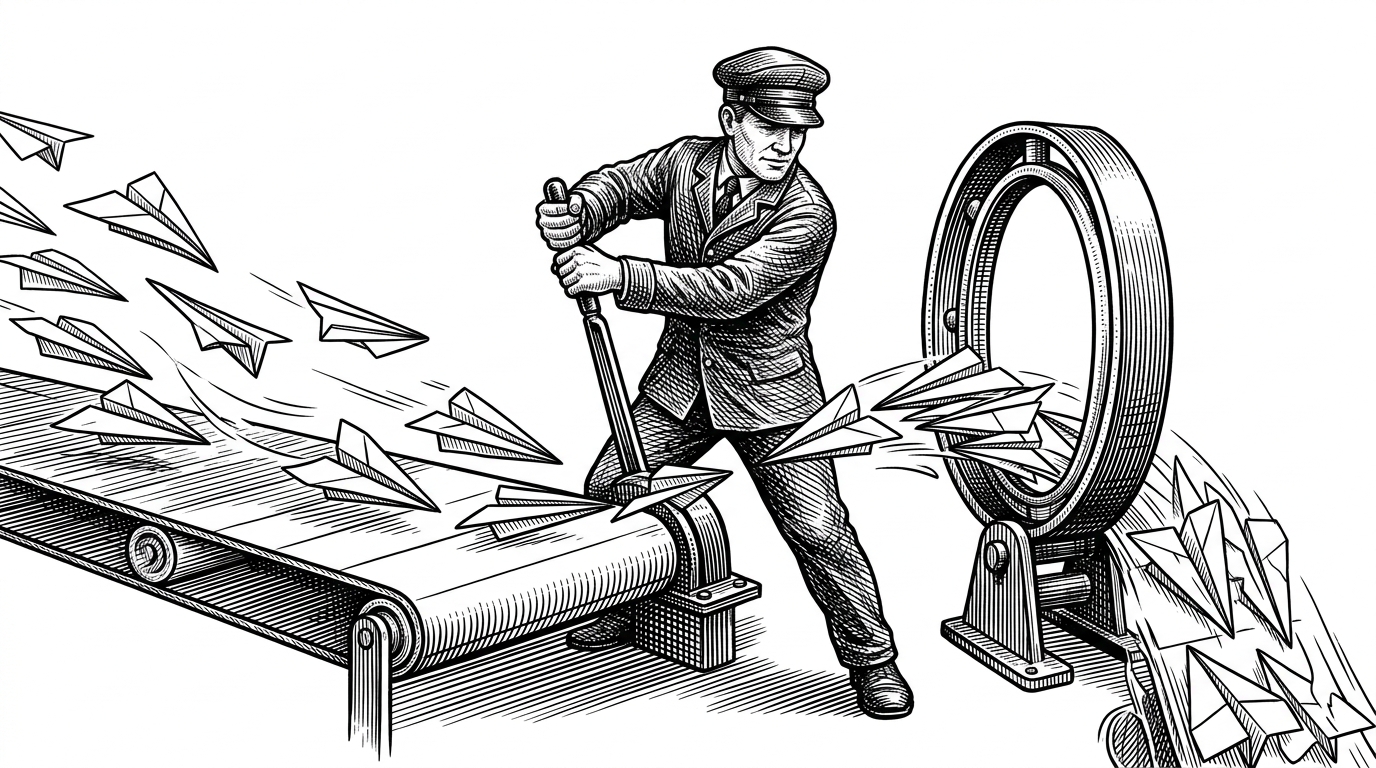
- ShimaStyle employs a three-tier defensive fallback mechanism to extract app icons when undocumented Apple APIs fail.
- The tweak intercepts SpringBoard's NCNotificationDispatcher to reroute notifications into the Dynamic Island constraints.
- By discarding static frame calculations in favor of pure Auto Layout, the UI gracefully scales across different iPhone hardware profiles.
- Modern rootless jailbreak constraints force the tweak to rely on notify_post signals for live preference reloading without system resprings.
The Three-Tier API Sieve
Modifying Apple's UI is trivial until an iOS update shifts internal architecture. Apple actively hides app icons from unauthorized processes, making dynamic theming a brittle endeavor. ShimaStyle handles this via the dinAppIcon function, which implements a paranoid, cascading fallback strategy. It treats the SpringBoard not as an API, but as a hostile environment.
The tweak first attempts a private UIImage selector (_applicationIconImageForBundleIdentifier:). If that fails, it traverses the SBIconController model. As a final measure of desperation, it hunts the raw filesystem via LSApplicationProxy. This defensive programming pattern means the visual payload remains functional even if Apple deprecates the primary private API.
@try {
    UIImage *icon = [UIImage _applicationIconImageForBundleIdentifier:bundleID format:2 scale:[UIScreen mainScreen].scale];
    if (icon) return icon;
} @catch (NSException *e) {
    NSLog(@"[ShimaStyle] Primary icon fetch failed: %@", e);
}
Hijacking the Dispatcher
The core engine lives in Tweak.x. Using Logos, ShimaStyle hooks directly into NCNotificationDispatcher. It suppresses the default iOS banner and injects its own view into the Dynamic Island hierarchy. However, hooking root-level UI processes requires extreme caution. Without explicit rate-limiting, a burst of notifications would instantly crash the SpringBoard process.
To prevent this, the developer implemented dinShouldThrottle. This gatekeeper enforces a strict 1.0-second interval between notification renders, dropping excess packets to maintain system stability under load.
A Programmatic Canvas
At the UI layer (DINNotificationView), ShimaStyle rejects Apple's rigid static frame calculations. Instead, it relies on pure Auto Layout constraints. This ensures the custom interface scales flawlessly across varying iPhone screen widths, adapting dynamically whether the user selects the Standard, Compact, or Minimal style.
| Feature | Stock iOS Dispatcher | ShimaStyle Hook |
|---|---|---|
| Notification Location | Screen Top Banner | Island Bounds Constraint |
| Background Rendering | Static CoreAnimation | AVFoundation Video Support |
| Layout Engine | Pre-calculated Frames | Dynamic Auto Layout |
| Rate Limiting | System Managed | Hardcoded 1.0s Throttle |
Surviving the Rootless Era
The project's Makefile explicitly targets modern rootless architectures. Because tweaks can no longer write to the root filesystem, preference management must operate entirely in user space. The preference bundle utilizes a singleton pattern and notify_post signals to trigger live UI state updates without requiring a full device respring.