testflight-lower-install: Why One Fake iOS Version Is Not Enough
Inside the jailbreak tweak that persuades both TestFlight and `installd` to accept apps built for newer firmware, and why that double lie is the whole trick.
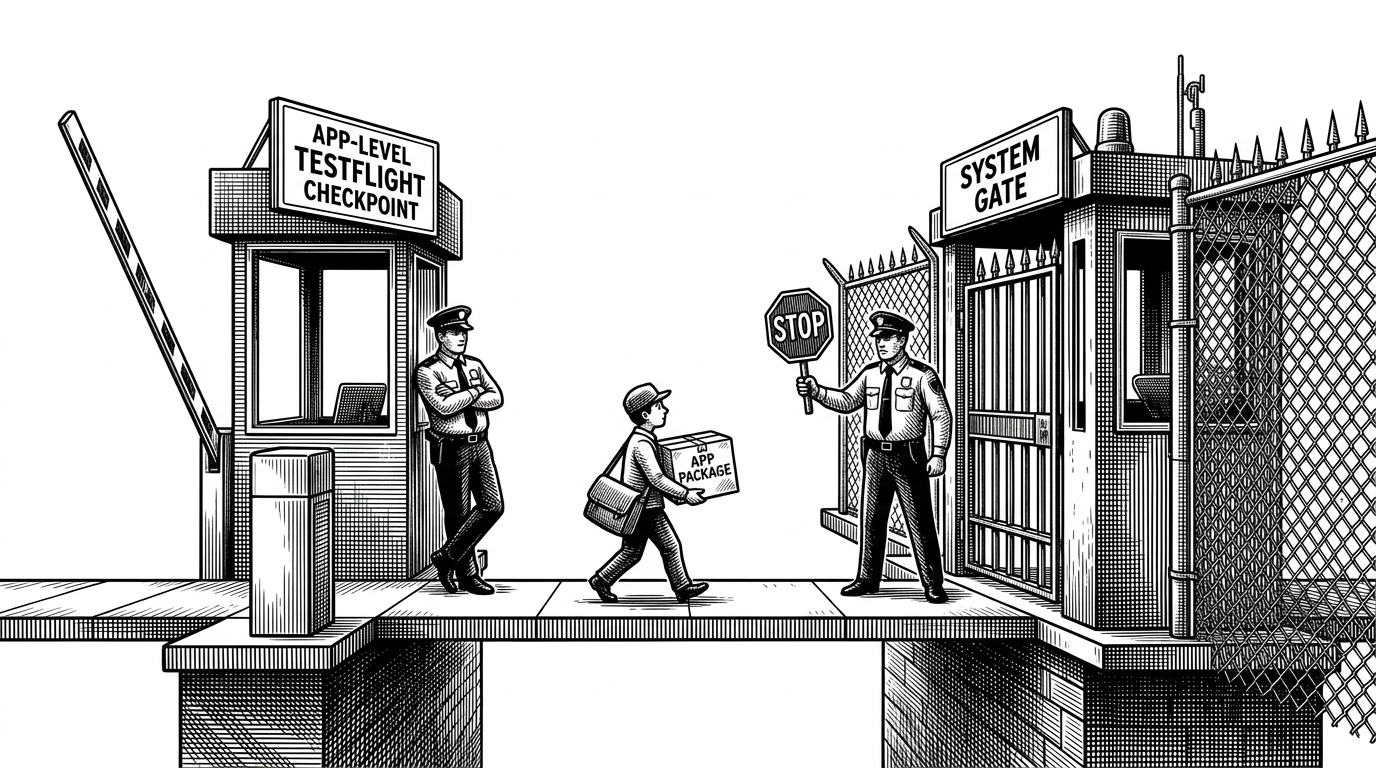
- testflight-lower-install works by convincing both TestFlight and `installd` to accept the same spoofed iOS version.
- The repo is a rootless fork of LowerInstall, narrowed from broad compatibility spoofing into a TestFlight-specific install path.
- Version spoofing can unlock installation, but it cannot manufacture missing frameworks, APIs, or hardware support.
- The project is a compact example of layered policy enforcement, where beating one gate does not beat the system.
The neat trick in testflight-lower-install is not that it fakes an iOS version. Plenty of jailbreak tweaks do that. The trick is that it has to lie twice, once to TestFlight and again to installd, because the install button is only the first gate.
That makes the repo feel less like a hack and more like a lesson in layered enforcement. Apple does not keep one single "can this install?" decision. It spreads the answer across the app, the daemon, and the prefs that keep both in sync.
A fork of LowerInstall, narrowed to TestFlight
This repo is a fork of LowerInstall, but the fork is the point. The parent project is broader, built around compatibility spoofing as a general jailbreak trick. testflight-lower-install narrows the target surface to TestFlight, which means the code can focus on one install path instead of pretending every path is the same.
| Project | Target surface | Mechanism | Jailbreak? | Strength | Failure mode |
|---|---|---|---|---|---|
| LowerInstall | Broad version and device spoofing for unsupported apps | Hooks install-time checks and version reporting | Yes | General-purpose loophole for older firmware | Still fails when required APIs or device features are missing |
| testflight-lower-install | TestFlight installs | Hooks TestFlight plus `installd`, then restarts both processes after prefs changes | Yes, rootless | Gets past both gates in the TestFlight path | Still cannot conjure missing frameworks or hardware support |
| Feather | Direct sideloading and signing | Uses developer certificates to sign and install on device | No | A different path that avoids TestFlight entirely | Bound by signing, certificates, and distribution rules |
The fork also tells you something about the modern jailbreak shape. This is not a dusty rootful tweak that writes wherever it wants. It is built for rootless iOS, uses Theos conventions, and scopes injection with a filter plist so only com.apple.TestFlight and installd get touched.
That narrow scope is efficient, but it is also a clue about intent. The project is not trying to rewrite iOS policy. It is trying to pass through two specific checkpoints without disturbing the rest of the device.
How the tweak lies twice
The engine lives in Tweak.x, and it is split by process. Inside the TestFlightHooks group, methods such as requiresOSUpdate are forced to say no, while installableByHostDevice is forced to say yes. The code also uses dlsym and MSHookFunction to intercept the lower-level tf_isBuildInstallable path, which means it is not betting on one single Objective-C method staying in charge.
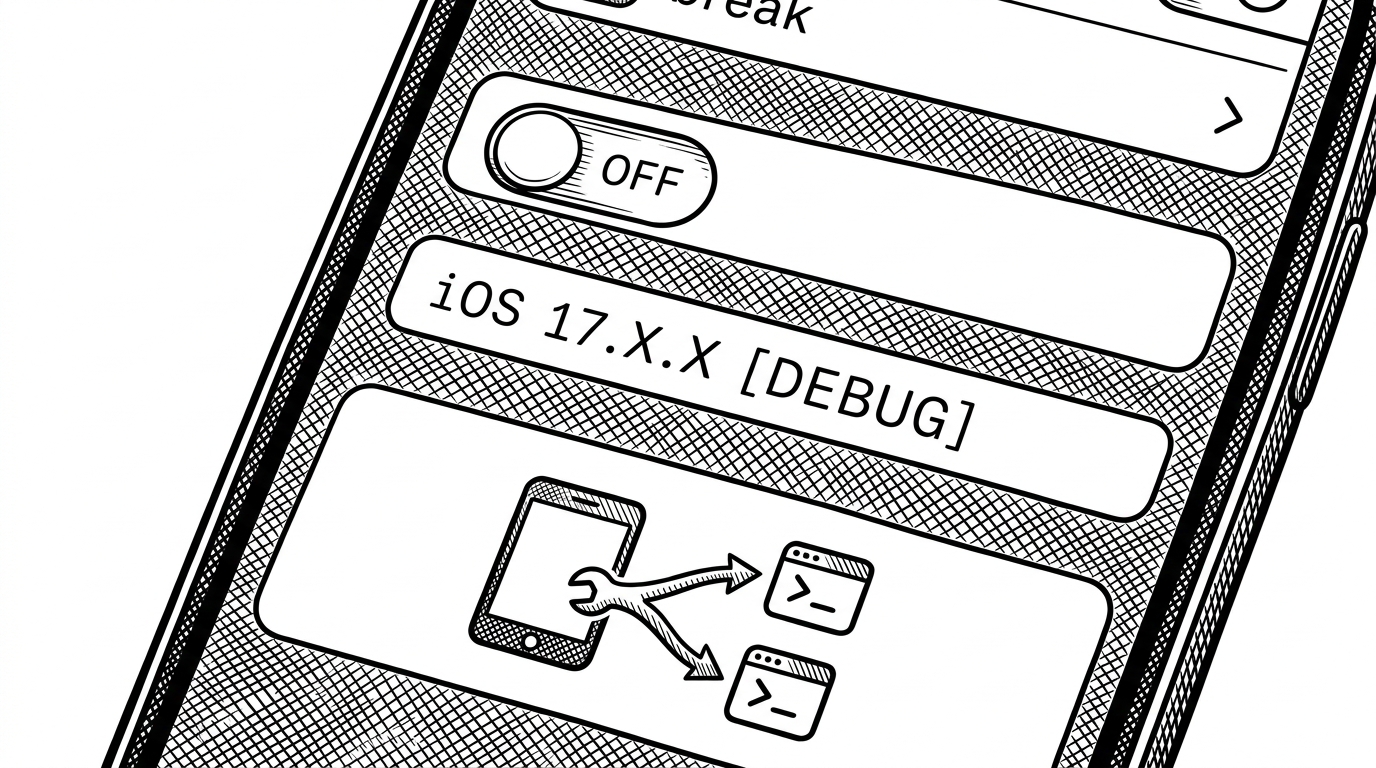
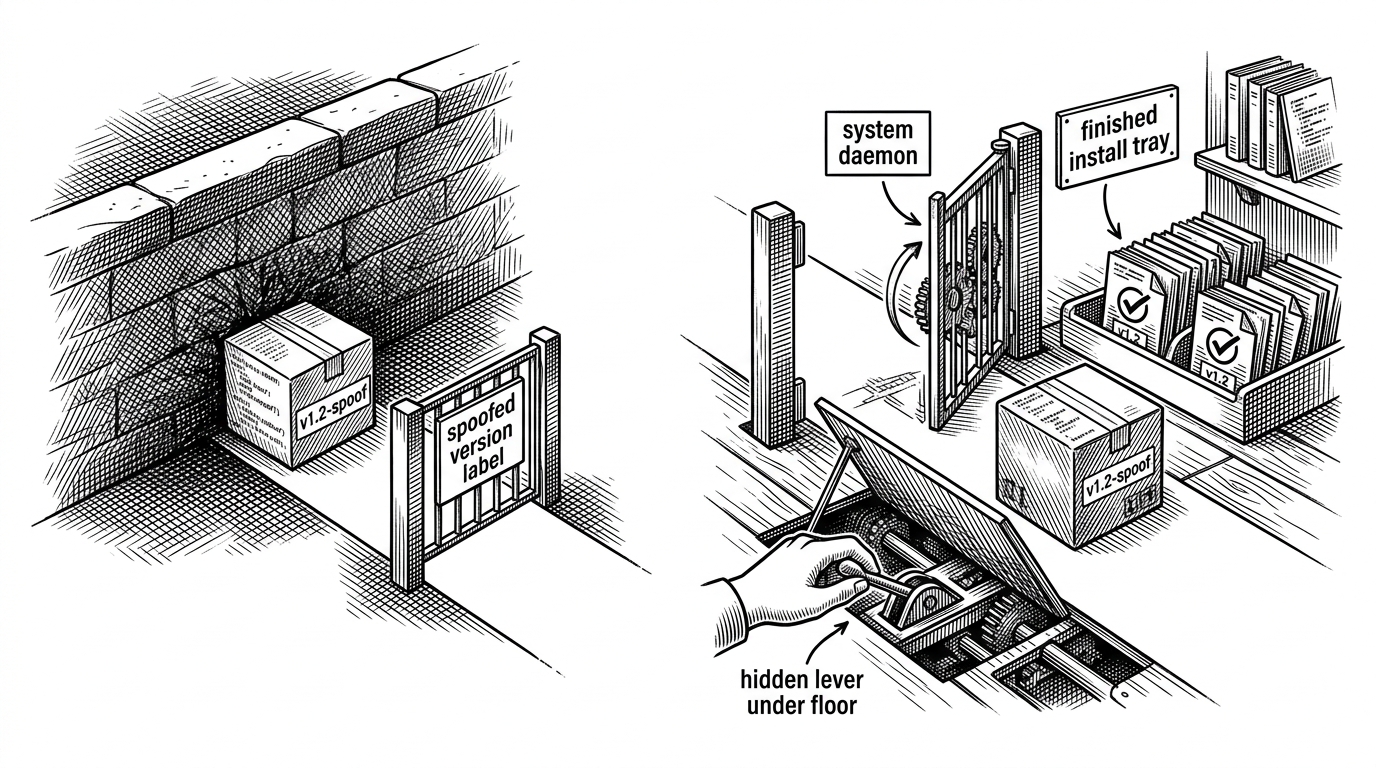
The second half lives in the InstalldHooks group. There, the tweak intercepts the system bundle logic and overrides _isMinimumOSVersion:applicableToOSVersion:requiredOS:error: so the daemon sees the user-defined spoofed version instead of the real one. That is why the visible TestFlight check is not enough. The daemon checks again, and this repo meets it there too.
The preferences controller closes the loop. When settings change, it writes the plist, then kills both TestFlight and installd so the new lie takes effect immediately. The repo does not hope the processes notice a changed file. It restarts the decision-makers.
The hidden cost of spoofing compatibility
i have iPhone 6 iOS 8.4, installed Lower Install, but how will it work. How I shall I be able to install & download apps requiring iOS 9 or maybe 10. Because its not working
after reboot, go to settings, set desired ios version to spoof (such as `10.0`), and you may also need to set a newer hardware identifier... then install your app in app store. it probably wont work with most apps, either the apps just wont work because they were built for a newer ios and require some non-existant libraries, or the app just won't install
Those comments are the boundary conditions in plain language. A version check can be fooled, but missing frameworks, hardware dependencies, and newer system APIs are still real. If an app genuinely needs something the old device does not have, the install may pass and the launch may still fail.
That is the important restraint in the repo's promise. It is a compatibility bypass, not a time machine. The tweak can change what the installer believes, but it cannot change what the firmware actually contains.
What this repo reveals about Apple’s install pipeline
The broader lesson is simple. Policy is not one gate. It is a chain of gates, each with its own assumptions and each free to reject an app for a different reason. testflight-lower-install is small, but it captures that architecture cleanly.
That is why the repo is interesting even if you never touch a jailbroken device. It turns a niche tweak into a compact model of distributed enforcement. To beat the system, you have to know which part of the system is actually deciding.