codenano: Anatomy of an AI Agent: Deconstructing nano-claude-code
How a 2,300-line educational repository distills Anthropic's massive 512,000-line CLI tool into a programmable, self-healing loop.
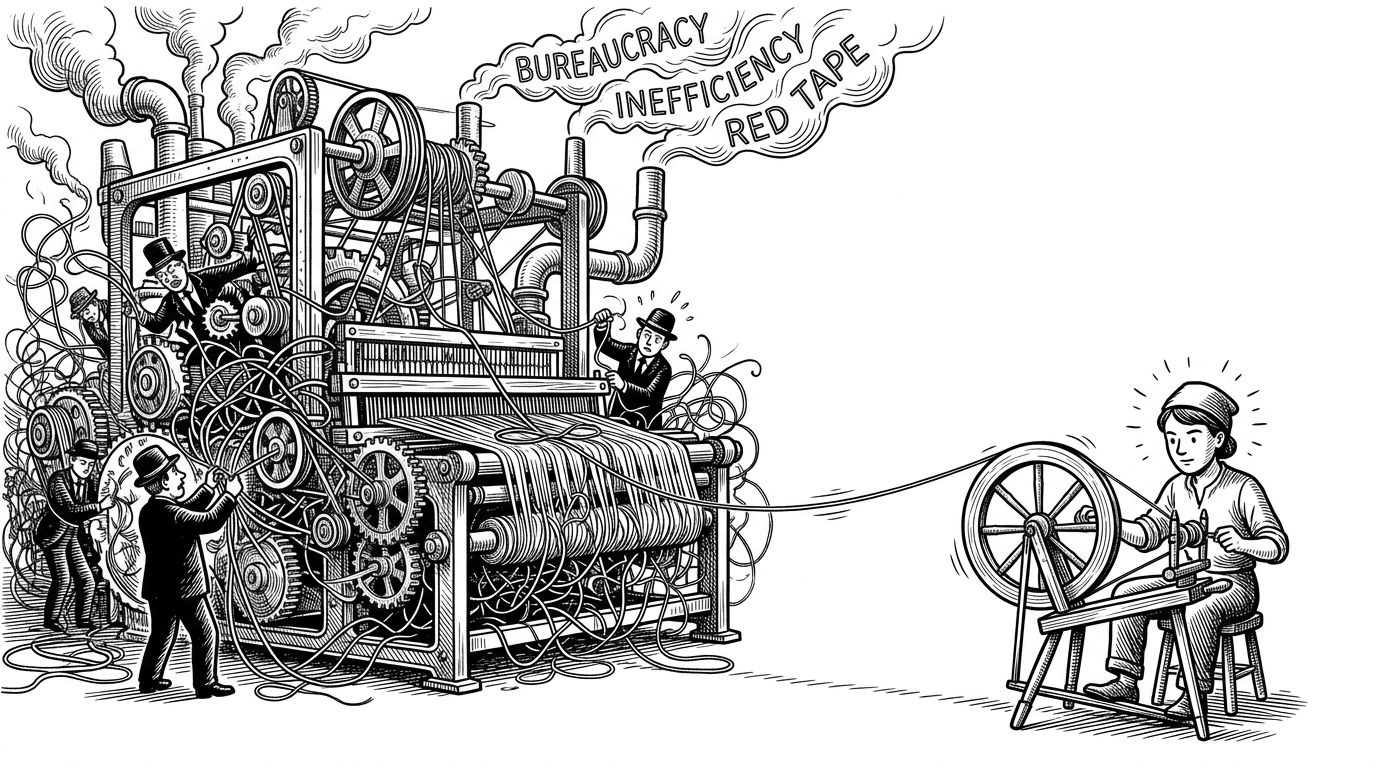
- Agentic AI is fundamentally a simple state machine of thought, action, and observation, not a black box of complex logic.
- The majority of enterprise AI wrapper code is dedicated to telemetry, UI rendering, and edge-case handling rather than core intelligence.
- Effective agent design prioritizes resilience mechanisms, such as automatic truncation and context recovery, over raw model capabilities.
- Offloading capabilities to the Model Context Protocol keeps the core loop lightweight while ensuring infinite extensibility.
The 500,000-Line Elephant
When a source map packaging error accidentally exposed Anthropic's proprietary Claude Code repository in early 2026, developers were stunned. The codebase was a 512,000-line behemoth spread across nearly 2,000 files. The sheer volume of telemetry, terminal UI rendering, and edge-case handling obscured the actual mechanics of agentic AI.
This is the problem nano-claude-code solves. It strips away the enterprise bloat to reveal the beating heart of a coding agent. It proves that the core intelligence of a world-class system is not magic, but a highly defensive programmable loop.
Inspired by Claude Code's 512K+ line codebase. Same core loop. 99.7% less code.
The 200-Line Brain
The repository functions primarily as an educational resource. It uses a step-by-step tutorial approach, guiding developers from a basic 80-line script to a complete autonomous agent. The final implementation is surprisingly compact.
At the center of this architecture sits a simple while loop. This loop manages the state machine of thought, action, and observation. By eagerly executing streaming tool calls, the agent minimizes downtime and parallelizes operations.
while (true) {
  const response = await this.client.messages.create(params);
  this.messages.push(response);

  if (response.stop_reason !== 'tool_use') {
    break;
  }

  const toolResults = await this.executeBatchConcurrently(response.content);
  this.messages.push({ role: 'user', content: toolResults });
}
Resilience Over Intelligence
The hard part of building AI agents is not making the API call. The real challenge is context management. Language models are easily overwhelmed by massive log files or infinite loops.
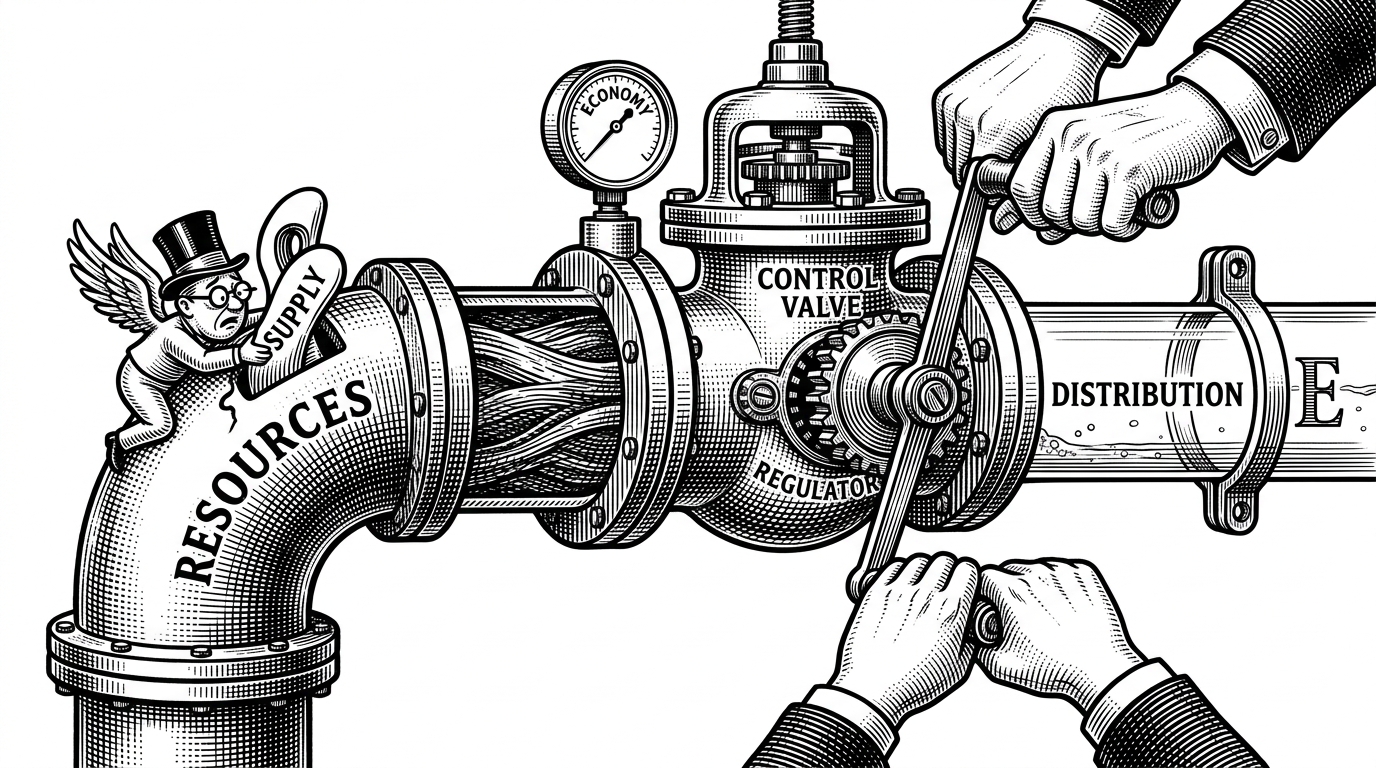
To survive these failure modes, nano-claude-code employs defensive engineering. It implements Max Output Recovery, automatically injecting a resume message to bypass strict token limits. It also aggressively budgets tool outputs, truncating anything over 50KB to keep the context window clean.
Escaping the Vendor Trap
Most proprietary agents tightly couple their logic to specific internal tools. This creates vendor lock-in and bloats the core repository. The minimal approach takes a different path.
| Feature | nano-claude-code | Claude Code | OpenCode |
|---|---|---|---|
| Codebase Size | ~2,300 lines | ~512,000 lines | Large |
| Primary Purpose | Educational / Minimal | Official / Polished | Flexible / Multi-model |
| Core Loop Footprint | Single file (210 lines) | Distributed | Client/Server |
| Extensibility | MCP Integrated | Anthropic Locked | VS Code Extension |
By offloading custom capabilities to the Model Context Protocol, the core loop remains completely agnostic. Developers can plug in new database readers or API clients without ever touching the agent's internal state machine.