safe-chain: Aikido Safe Chain and the Art of the Benevolent MITM
How a local proxy intercepts your package manager to manipulate registry metadata and block zero-day supply chain attacks before they hit your disk.
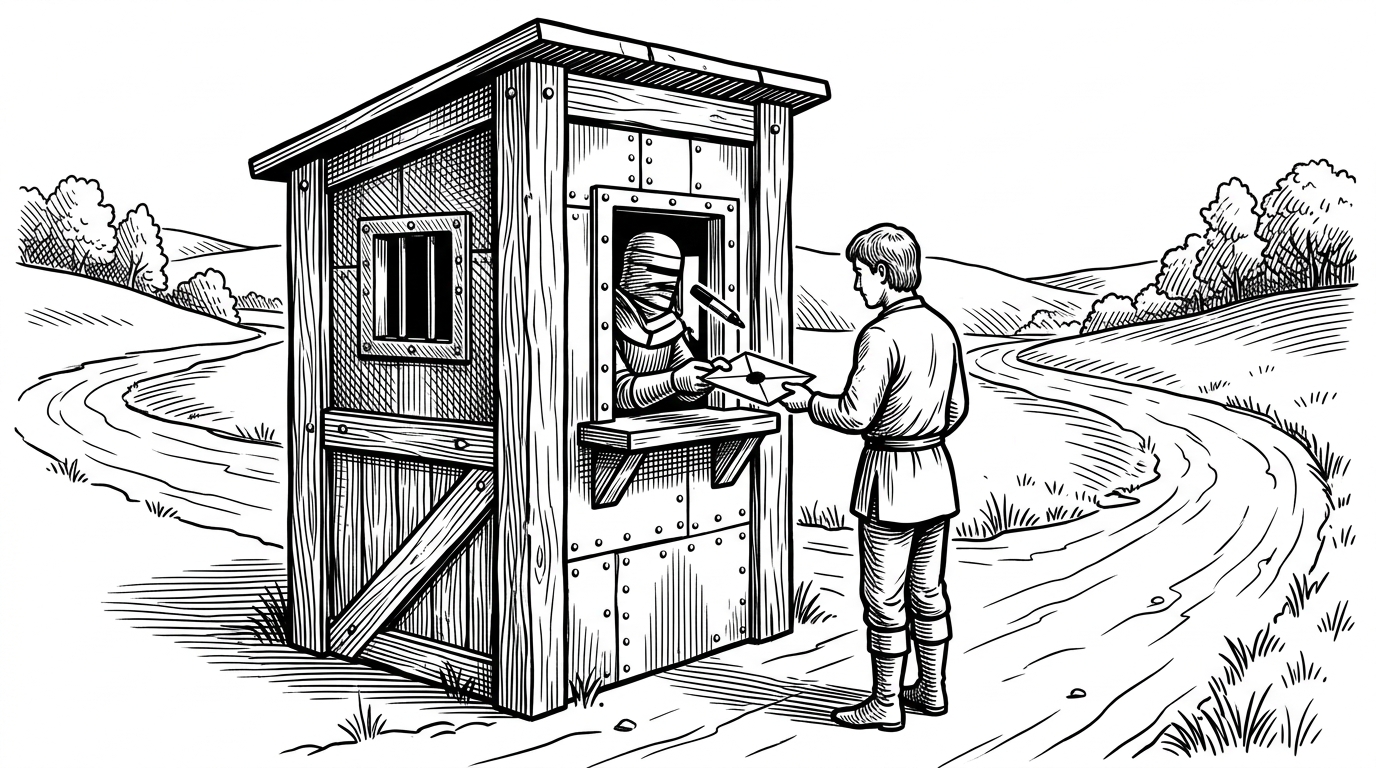
- Aikido Safe Chain acts as a local Man-in-the-Middle proxy, intercepting and decrypting package manager traffic using on-the-fly SSL certificates.
- It protects against zero-day supply chain attacks by enforcing a 24-hour quarantine on new package versions, the most dangerous window for malware.
- Instead of breaking builds with connection errors, it seamlessly downgrades to safe versions by manipulating registry JSON metadata.
- The tool provides invisible, polyglot protection across ecosystems like npm, pip, and bun through intelligent shell aliasing.
The Localhost Heist
When a developer types npm install, the expectation is a direct, secure line to registry.npmjs.org. Aikido Safe Chain breaks that assumption entirely. It executes a Man-in-the-Middle (MITM) attack on your own local environment.
Instead of talking to the public registry, your package manager communicates with a local Node.js server spawned on a random port. This proxy intercepts HTTPS traffic using the CONNECT method. Because it needs to inspect the payload, it uses node-forge to generate fake SSL certificates on the fly, decrypting, inspecting, and re-encrypting the data stream.
The 24-Hour Danger Zone
This aggressive interception is necessary because of the fundamental latency in malware detection. Public registries do scan for malicious code, but community vetting takes time. The first 24 to 48 hours of a package's life are radioactive.
If a developer pulls a compromised package during this initial window, traditional static analysis tools and lockfile scanners fail. They are reactive, alerting you only after the malware has executed its post-install scripts on your machine.
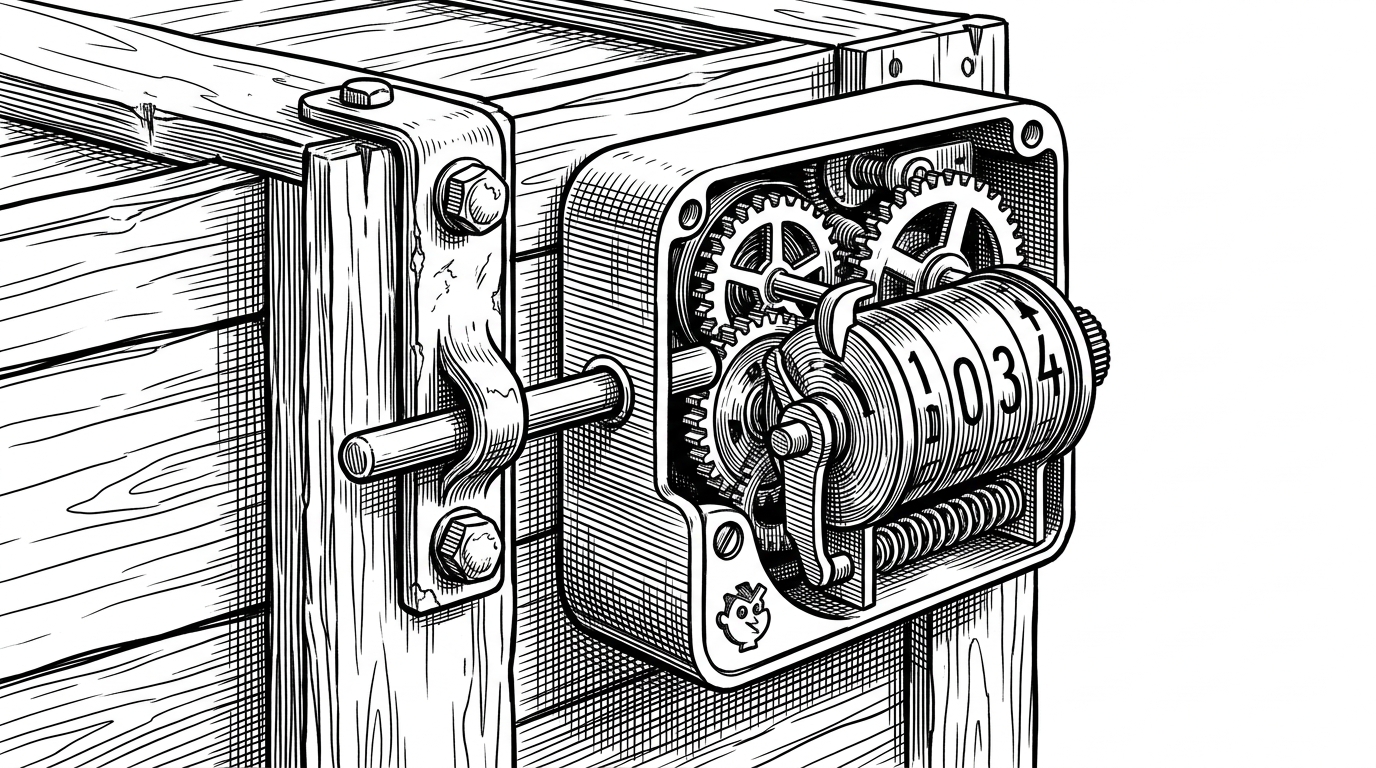
Safe Chain now enforces a minimum package age, holding any version published in the last 24 hours so it can be analysed properly before install. Fresh releases are the easiest place for attackers to hide, so this window gives security tools enough time to analyse them. If a version is too new and not yet verified, Safe Chain automatically falls back to an older clean version. It does not break builds. Safe Chain is free, open source and runs locally.
Lying to the Resolution Engine
The most elegant feature of Safe Chain is how it handles these quarantined packages. A naive firewall would simply block the connection, returning a "Connection Refused" error that immediately crashes the CI/CD pipeline.
Safe Chain takes a different approach: it alters reality. In modifyNpmInfo.js, the proxy intercepts the JSON metadata returned by the registry. It parses the payload, identifies versions younger than the quarantine threshold, and silently deletes them from the response.
// Intercepted Registry Response (Before)
{
  "name": "example-package",
  "dist-tags": {
    "latest": "2.1.0"
  },
  "versions": {
    "2.0.9": { ... },
    "2.1.0": { ... } // Published 2 hours ago
  }
}

// Modified Response (After Safe Chain)
{
  "name": "example-package",
  "dist-tags": {
    "latest": "2.0.9"
  },
  "versions": {
    "2.0.9": { ... }
  }
}
The package manager receives this modified JSON and assumes the older, safe version is the latest release. It installs the vetted code seamlessly, keeping the build green while avoiding the zero-day threat.
Polyglot Protection
Despite its Node.js roots, Safe Chain is designed to protect polyglot environments. It achieves this through intelligent shell integration, modifying .bashrc or .zshrc to alias common package manager commands.
When a developer runs a command, a factory pattern in currentPackageManager.js detects the context—whether it's npm, yarn, bun, or pip. It then routes the request to the appropriate adapter, applying the correct command-argument scanning logic without requiring the developer to change their workflow.
The Post-Lockfile Reality
The industry standard for supply chain security has long been reactive lockfile scanning. Tools analyze your package-lock.json to tell you that you downloaded malware yesterday. Safe Chain shifts this paradigm.

| Feature | Traditional SCA | Aikido Safe Chain |
|---|---|---|
| Intervention Point | Post-install | Pre-install |
| Mechanism | Static file analysis | Network MITM |
| Zero-Day Defense | Relies on CVE DB | Minimum Age Quarantine |
| Build Impact | Fails CI pipeline | Silent downgrade |
By operating at the network layer, Safe Chain ensures that malicious code never executes its install scripts on your machine. It is a proactive defense mechanism that treats the local development environment—and the CI/CD runner—as the critical perimeter.
We just launched Aikido Safe-Chain, a secure wrapper for npm, npx, and yarn that sits in your current workflow and checks every package for malware before install. It protects you against dependency confusion, backdoors, typosquats, and other supply chain threats in real-time without altering your workflow.