safe-chain-jfrog-plugin: Turning Artifactory Into a Dependency Bouncer
A deep dive into the JFrog extension that checks remote packages against live malware intel and blocks suspicious downloads before they land.
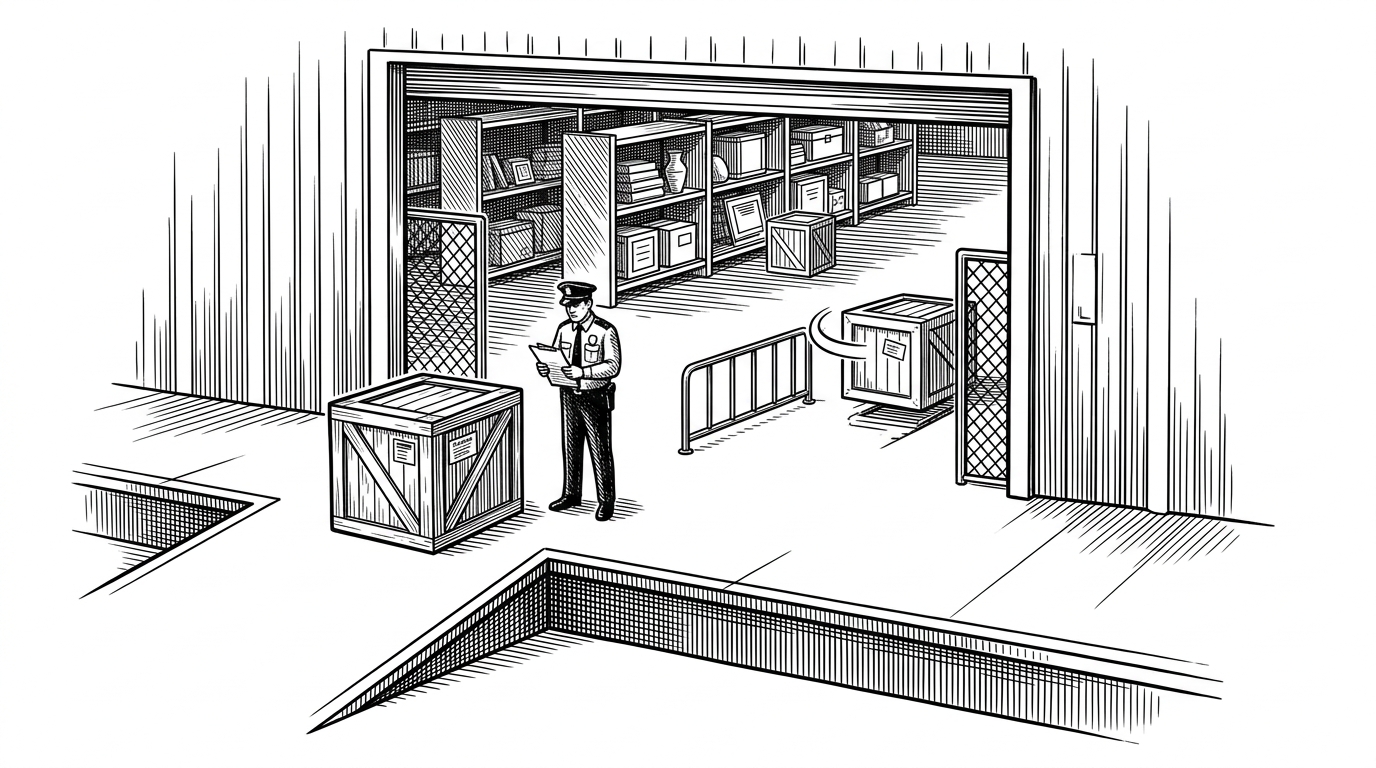
- Safe Chain JFrog plugin turns Artifactory’s download hook into a hard security boundary, so suspicious dependencies can be blocked before they reach a build or a laptop.
- The repo is as interesting for its structure as for its policy, because the same enforcement idea appears in both a legacy Groovy and Java user plugin and a newer TypeScript worker.
- Its default posture is conservative, with remote-repo filtering, live malware lookups, package-name normalization, and fail-closed behavior when the threat check cannot complete.
- Compared with scan-after-the-fact tools, this project moves supply-chain defense to the registry door and changes what “security coverage” even means.
Most dependency tools inspect what already landed. This repo changes the question. AikidoSec/safe-chain-jfrog-plugin treats Artifactory as a checkpoint, not a shelf, and it decides whether a package should enter before the bytes reach a developer or CI job.
The package never makes it past the door
That is the cleanest idea in the codebase. The plugin hooks the download path, looks at the request while it is still in transit, and can return a 403 before the artifact is served. In supply-chain security, that timing matters more than a bigger scan database.
We just launched Aikido Safe-Chain, a secure wrapper for npm, npx, and yarn that sits in your current workflow and checks every package for malware before install. It protects you against dependency confusion, backdoors, typosquats, and other supply chain threats in real-time without altering your workflow.
Two Artifactory extension models, one policy
The repo has a split personality. One implementation lives in the classic JFrog user-plugin world, with Groovy at the edge and Java doing the decision work. The other lives in JFrog Workers, written in TypeScript, for teams that want the newer execution model.
| Path | Language | Why it exists | Operational fit |
|---|---|---|---|
| java-user-plugin | Groovy + Java 21 | Fits classic Artifactory user-plugin deployments | Best when you already rely on legacy hooks |
| worker | TypeScript | Uses JFrog Workers and the BEFORE_DOWNLOAD action | Best when you want the newer JFrog execution model |
How the veto actually happens
The mechanics are surprisingly small. The Groovy hook intercepts the download with an altResponse block, then hands the request to a handler that checks whether the repository is remote, whether the path looks like a package the plugin understands, and whether the package appears in Aikido’s malware feed.
download {
  altResponse {
    if (altResponseHandler.isMalicious(request)) {
      response.setStatus(403)
      response.setMessage('blocked by safe-chain')
    }
  }
}
The Worker mirrors the same idea in TypeScript, but with a different control posture. If the lookup fails, the catch path stops the download. That is a fail-closed design, which is exactly what you want when the check itself is part of the defense.
Why this block is stricter than it looks
The repo is narrower than a generic package scanner, and that restraint is useful. It ignores local repositories, focuses on remote ones, and today the Java path is effectively NPM-first even though the data model shows awareness of other ecosystems and normalization tricks.
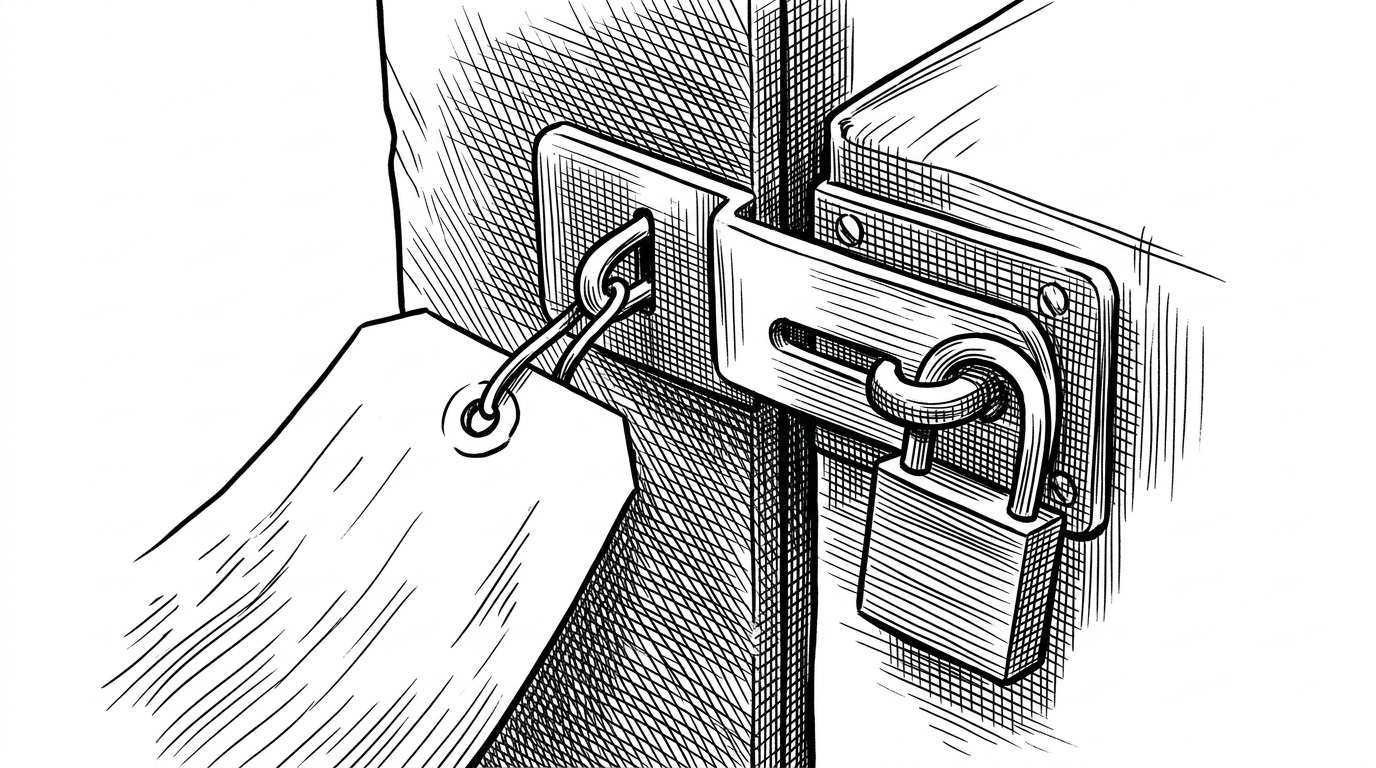
- It filters for remote repositories, because that is where external supply-chain risk enters.
- It normalizes package names, which helps blunt typosquatting and naming tricks.
- It treats lookup failure as a stop condition in the Worker, not a silent pass-through.
Safe Chain now enforces a minimum package age, holding any version published in the last 24 hours so it can be analysed properly before install. Fresh releases are the easiest place for attackers to hide, so this window gives security tools enough time to analyse them.
What Aikido is really shipping
The repo is not trying to be a general artifact scanner. It is shipping a policy surface. Aikido’s broader Safe Chain message is simple, and this integration extends it into the registry layer: fetch live threat intel, apply a narrow set of rules, and decide before the package crosses the boundary.
That makes the project feel less like a feature add-on and more like an enforcement primitive. Once you care about the moment of admission, Artifactory stops being passive storage and starts acting like a guardrail.
How it stacks up
The real comparison is not feature count. It is where the decision lands. Some tools are built for scanning after ingestion, while this repo is built to block at the door.
| Product | Decision point | Core strength | Tradeoff |
|---|---|---|---|
| Safe Chain JFrog plugin | At Artifactory download time | Blocks suspicious packages before they land | Needs live intel and outbound access |
| JFrog Xray | After artifacts are indexed | Deep artifact scanning and policy | Later in the lifecycle |
| Snyk | In IDE, CI, and PR workflows | Broad developer workflow coverage | Usually not a registry gate |
| Nexus Lifecycle | At repo policy enforcement | Component governance at scale | Heavier admin footprint |
| Socket | At package analysis time | Behavioral package detection | Different signal model |
The bigger lesson
The codebase is interesting because it reframes supply-chain defense as transport policy. Instead of asking whether a dependency can be cleaned up later, it asks whether the dependency should be allowed to arrive at all. That is a much harder line, and a much more honest one.