HopOn MP: The Carpool App That Turns a Ride Into a Temporary Micro-Community
A local-first Next.js marketplace for intercity travel in Madhya Pradesh, where booking a seat also creates trust, chat, and coordination.
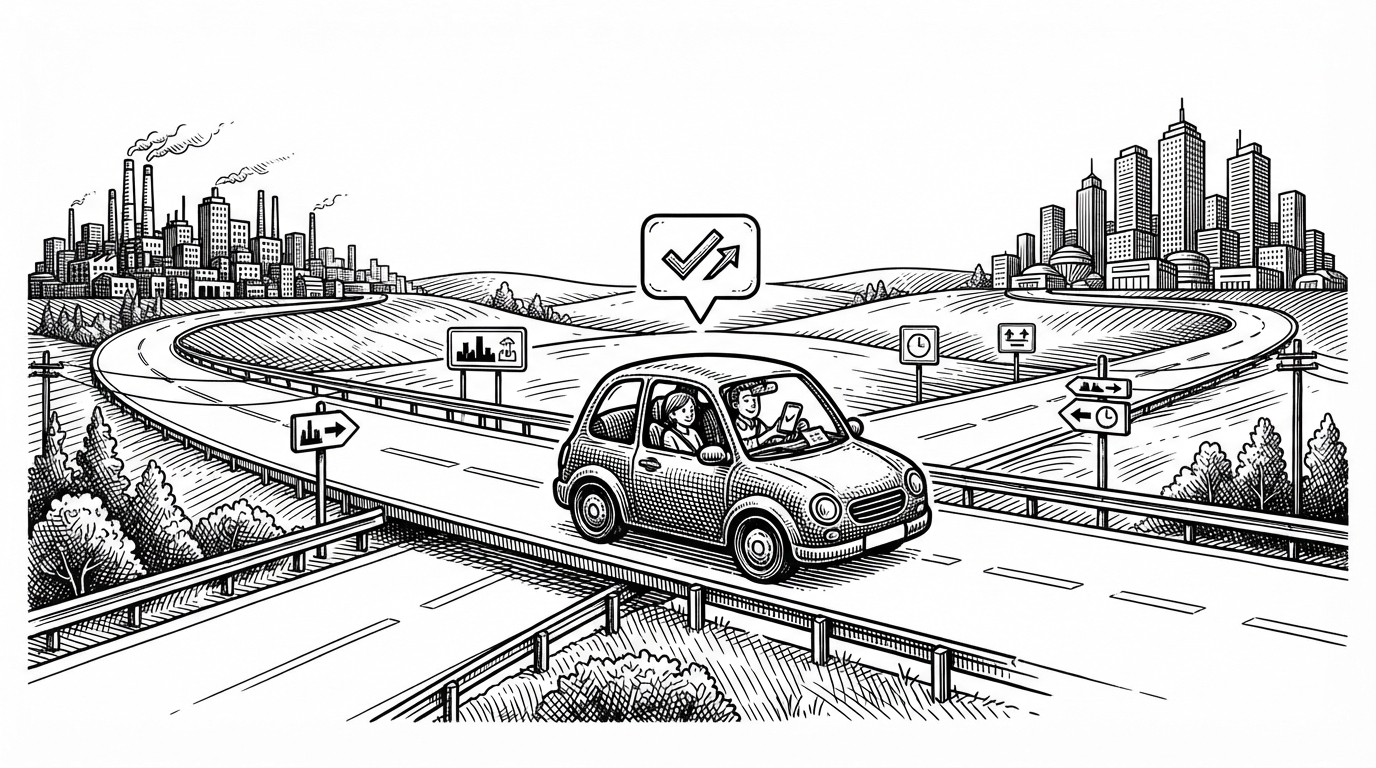
- HopOn MP is built around a booking cascade that creates a seat change, a booking record, an OTP, and a chat message in one move.
- Its local-first architecture is doing product work, not just technical work, because browser state stands in for a lightweight backend.
- The Madhya Pradesh corridor focus is the strategy that makes the marketplace feel legible instead of empty.
- The app is optimized for trust and coordination inside a narrow travel network, not for universal scale.
A Ride That Creates Its Own Coordination Layer
The best thing about HopOn MP is not the ride list. It is the moment a user books a seat and the app quietly turns that transaction into a living trip room. Availability drops, a booking record appears, an OTP is generated, and a system message lands in chat. One click does the work of a marketplace, a verification layer, and a coordination tool.
That is a sharp product idea because intercity carpooling fails when trust feels thin. HopOn MP answers that by making the booking itself the source of truth. There is no heavy realtime infrastructure in the way. The app gets to the same social effect with a much lighter stack.
Why Madhya Pradesh, Not the Whole Country
This project is not trying to be a universal mobility network. It is built around a corridor, and that matters. A regional focus lets the app lean on known routes, highway stops, and city pairs like Indore and Bhopal instead of pretending every origin and destination should already have liquidity.
| Dimension | HopOn MP | Generic rideshare | WhatsApp carpool group |
|---|---|---|---|
| Scope | A specific regional corridor | Broad urban and intercity network | Whatever the group happens to discuss |
| Trust mechanism | OTP plus booking record plus ride chat | Platform identity and payments | Manual back-and-forth |
| Coordination layer | System-generated trip room | Built into the platform | Scattered across messages |
| Search logic | Cities, stops, and waypoints | Usually origin and destination | Human memory and screenshots |
| Route visibility | Map-centered and corridor aware | Varies by product | Usually missing |
| Persistence model | Local-first browser state | Centralized backend | Chat history only |
| Best fit | Small, believable travel communities | Large-scale consumer markets | Ad hoc coordination |
That trade-off is the point. A smaller geography can support a tighter trust loop, cleaner search, and more believable ride inventory. Instead of a generic marketplace with weak matches, you get a focused one with stronger signals.
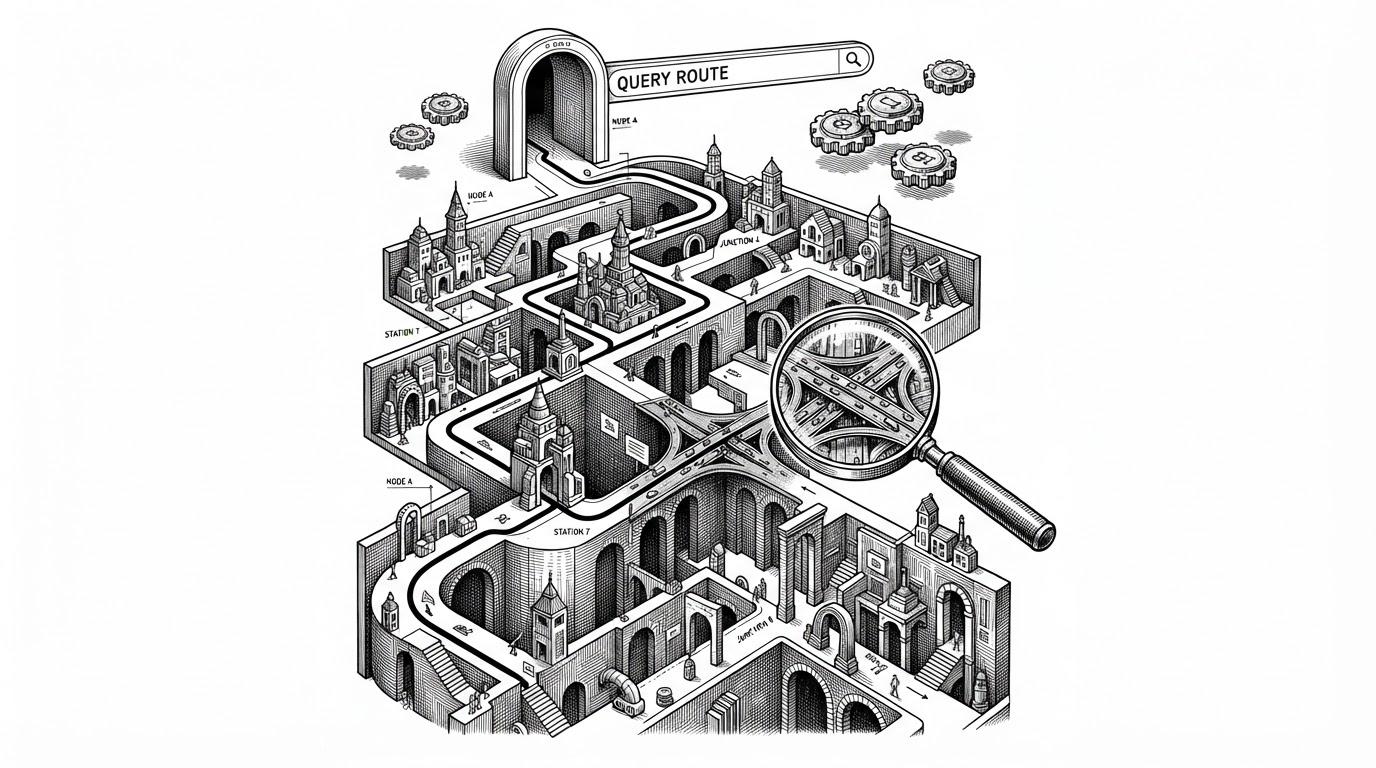
The Brain Lives in src/lib
The codebase is organized like a small product team. `src/app` handles the pages, `src/components` holds the UI, and `src/lib` contains the actual operating logic. That separation matters because the app behaves less like a static listing site and more like a state machine with opinions.
// src/lib/store.tsx
function bookRide(rideId: string, passengerId: string) {
  setRides(prev => prev.map(ride =>
    ride.id === rideId
      ? { ...ride, availableSeats: ride.availableSeats - 1 }
      : ride
  ));

  setBookings(prev => [...prev, {
    rideId,
    passengerId,
    bookingOtp: generateOtp(),
  }]);

  setMessages(prev => [...prev, {
    rideId,
    type: 'system',
    text: 'Booking confirmed. OTP generated.'
  }]);
}
That pattern is the app’s real trick. The booking function acts like a mini backend, but everything still lives inside the browser, hydrated from localStorage. It is a pragmatic local-first design for a prototype that wants continuity without the overhead of a full realtime stack.
Search That Thinks in Stops, Not Just Cities
A standard carpool search would stop at origin and destination. HopOn MP goes further. It checks city names, stop names, and waypoint names, which is exactly what an intercity traveler needs when a ride is really defined by the corridor it travels through.
That detail sounds small, but it changes discovery. If someone knows the highway stop, not the terminal city, the app still finds the ride. The product starts to feel like it understands how people actually move across a region, not how a form expects them to type.
Maps Make the Corridor Real
The route map is doing more than decoration. In a carpool app, route visibility is trust infrastructure. A passenger wants to know not just where the car starts and ends, but whether the journey passes through the places that make it useful for them.
That is why Leaflet and OpenStreetMap belong here. They make the corridor legible. The map shows that this is not abstract logistics. It is a real stretch of road with real intermediate decisions, which is the difference between a travel board and a usable mobility product.
What This App Is Really Optimized For
HopOn MP is not optimized for infinite scale, cross-city network effects, or live multi-user synchronization. It is optimized for a narrow use case where the product can be honest about its limits and still feel complete. That is a good trade for a solo developer building a believable regional system.
The result is a focused carpool app with a coherent trust loop. Search finds the right corridor, booking changes the state, chat makes the trip feel active, and OTP gives the exchange a practical handshake. That is enough to turn a seat into a temporary micro-community.
| Product truth | What HopOn MP chooses | What it avoids |
|---|---|---|
| Network strategy | Regional corridor depth | False universality |
| Trust design | OTP plus system chat | Complex verification infrastructure |
| State management | Local-first browser persistence | Heavy backend dependency |
| User experience | Trip rooms built from bookings | Static listings with no context |
| Growth model | Clear niche with strong intent | Empty marketplace syndrome |