`agents-best-practices`: The Repo That Teaches Agents How to Build Their Own Harness
A provider-neutral skill for Claude Code and Codex that turns agent design into a runtime problem, not a prompt-writing exercise.
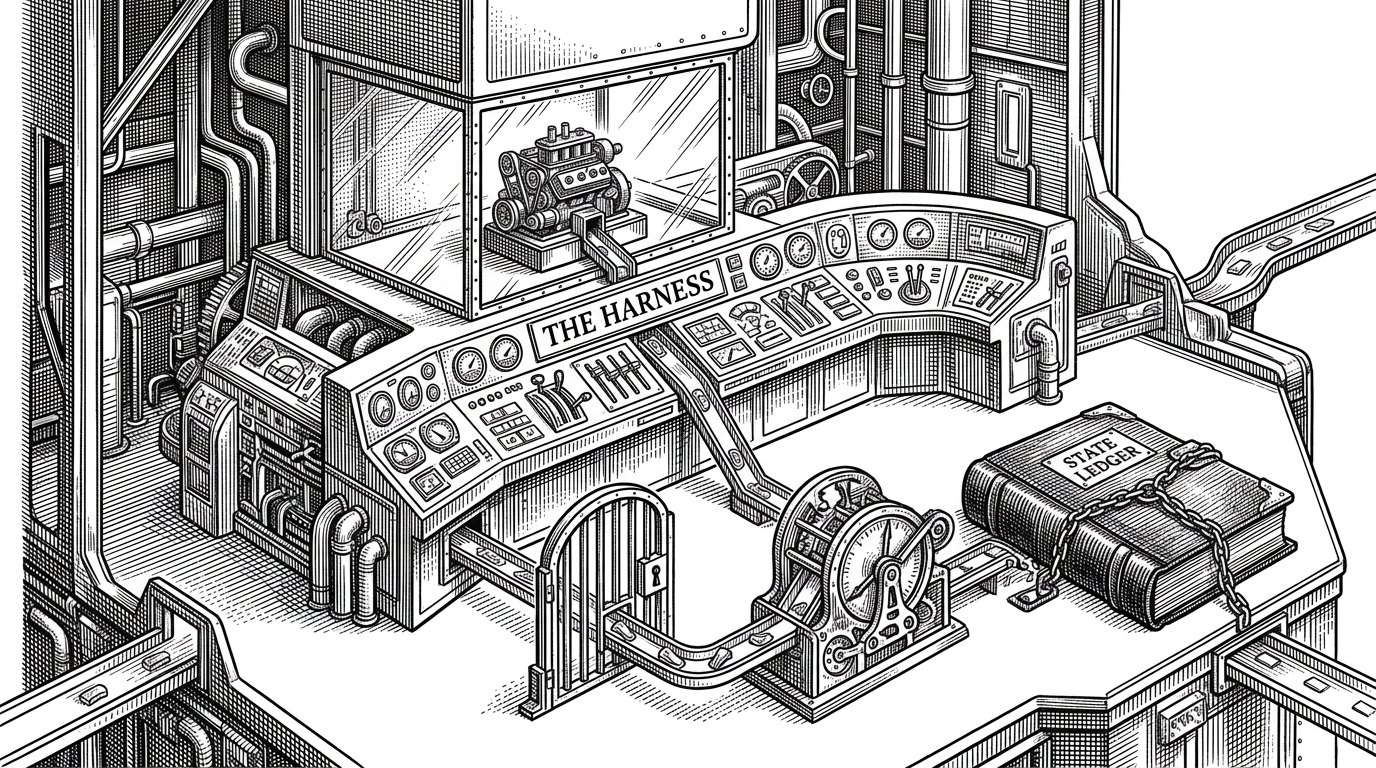
- This repo argues that agent failures are usually harness failures, not model failures.
- Its real product is a portable runtime policy that teaches agents how to design, audit, and refactor agent systems.
- The sharpest pattern is separation of duties: validate first, gate permissions second, and execute only through an explicit contract.
- The bigger shift is cultural as much as technical, because documentation here behaves like executable infrastructure.
The Prompt Is Not the System
Most agent tutorials start with prompts. This repo starts one layer deeper: the harness, the runtime shell that sits between the model and the world. That is the argument in one line. If an agent is unreliable, the missing piece is often not better wording, but better control over permissions, state, validation, and execution.
That is why agents-best-practices is interesting. It is not a framework you run. It is a skill that teaches other systems how to build the layer around the model. The repo treats the model like a proposal engine and the harness like the authority that decides what becomes real.
A Skill That Teaches Skills
The repository is designed for agentic IDEs and CLI tools, with SKILL.md acting as the activation layer and references/ holding the architectural playbook. In other words, this is documentation that is meant to be loaded into an agent, not just read by a human.
# SKILL.md

## Activation Triggers
- build an agent
- design tools
- audit harness

## Default behavior
When activated, stop giving vague advice.
Generate a concrete harness blueprint.
That structure matters because it changes the unit of value. Instead of a static best-practices document, the repo behaves like a portable operating manual. It is also provider-neutral, which makes the ideas easier to move between Claude Code, Codex, and other agentic environments.
The Manifest Decides When the Skill Wakes Up
The repo’s activation layer is the clever part. SKILL.md does not just describe the project. It tells the agent when to switch modes, and what to do once it does. The idea of “MVP Builder Mode” is a useful tell. It pushes the model away from generic guidance and toward a concrete harness blueprint.
Inside the Harness: The Model Proposes, the Harness Disposes
The architecture file centers on a 15-component control plane. That list is not decoration. It is a map of where authority lives: instruction management, permissions, execution control, memory, observation, and compaction all sit between the LLM and the outside world.
The best way to read that design is as a separation-of-duties system. The model can suggest. The harness can validate, approve, execute, persist, and compact. That split is what turns a chatty assistant into something closer to an operating system for work.
| Traditional wrapper | Harness-first system |
|---|---|
| Model touches tools directly | Model proposes, harness mediates |
| Permissions handled informally | Permissions enforced outside the model |
| Memory mostly lives in chat history | Durable state lives outside the prompt |
| Tool calls can be ambiguous | Tool results are exactly once and recorded |
| Safety depends on prompting care | Safety depends on runtime contracts |
| Hard to move across providers | Provider-neutral by design |
Why the Loop Matters More Than the Model
The runtime logic is where the repo becomes more than a philosophy deck. references/agentic-loop.md defines an invariant: validate before permission, permission before execution, and one tool call equals one result. That sounds simple, but it is the difference between a loosely supervised chatbot and a predictable agent loop.
while true:
  request = read_input()
  plan = model.propose(request)
  validate(plan)
  check_permissions(plan)
  result = execute(plan)
  assert exactly_one_result(result)
  durable_state.update(result)
  context = compact(durable_state)
  respond(context)
The repo also distinguishes manual loops from hosted loops. That distinction matters because the control contract has to survive platform changes. If the provider runs part of the loop, the harness still has to own the rules.
| Concern | Manual loop | Hosted loop |
|---|---|---|
| Who drives the cycle | Client or local runtime | Provider service |
| Where policy lives | In the harness | Still in the harness |
| How results are recorded | Explicitly in local state | Explicitly through the contract |
| Portability | High | High if the contract stays intact |
| Main risk | Drift in implementation | Drift in provider behavior |
Security Is a Product Decision, Not a Prompt Trick
The security layer makes the repo practical. Instead of asking the model to be careful, it separates tools by risk and uses draft-versus-commit patterns for sensitive actions. That is a much stronger move than a polite warning in a prompt.
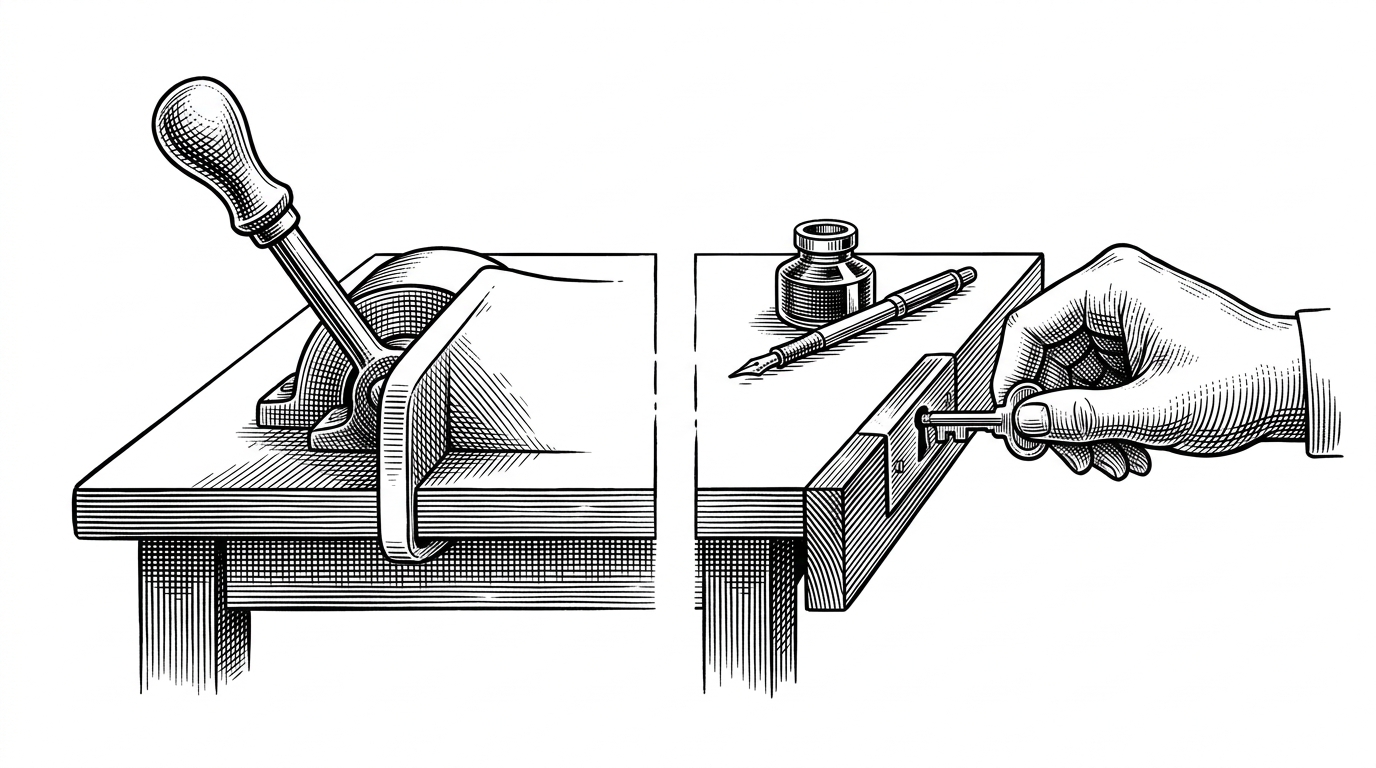
This is the repo’s most enterprise-friendly idea. It replaces trust in the model’s judgment with trust in the system’s structure. That matters anywhere agents can move money, send messages, change infrastructure, or commit to external actions.
| High-risk pattern | Safer harness pattern |
|---|---|
| One tool that drafts and sends | Separate draft and commit tools |
| Model decides inside the same step | Human checkpoint before commit |
| Risk hidden inside a prompt | Risk encoded in the API surface |
| Ambiguity about side effects | Clear boundary before execution |
The Quiet Revolution Is Documentation That Executes
The broader shift here is subtle but important. This repo treats documentation as runtime policy. It is written for machines first, humans second, which means the real audience is the agent that has to act inside these rules.
That is the category change. The best open-source repos are no longer just libraries or apps. Some are instruction sets for systems that will read, interpret, and act. agents-best-practices is one of those. It does not just explain the harness. It is a harness for thinking about harnesses.
| Old documentation model | New documentation model |
|---|---|
| Reference for humans | Policy for machines |
| Explains what to do | Constrains what agents may do |
| Read once, consult later | Loaded into runtime behavior |
| Static guidance | Executable operating assumptions |