The Payload Interceptor: Inside pi-codex-web-search
How a lean TypeScript extension uses event middleware and a local CLI daemon to seamlessly inject live web search into the Pi coding agent without touching an API key.

It is designed for the case where: you already use `codex`, you are already authenticated with `codex login`, you do **not** want to manage a separate API key inside the extension
- The extension functions as agent middleware, injecting search capabilities by mutating the LLM's outbound JSON payload mid-flight.
- It bypasses the need for new API keys by silently delegating the actual web search to a pre-authenticated local Codex CLI daemon.
- A custom ghost build script generates a temporary configuration in the OS temp directory, enabling a zero-dependency installation straight from Git.
The Immaculate Integration
Adding capabilities to coding agents usually requires a tangled web of API keys and bloated dependencies. You want your agent to read the internet, so you sign up for Tavily or SerpAPI, paste keys into environment files, and hope the integration holds. The pi-codex-web-search extension bypasses all of this.
Users install a simple git repository, and suddenly their Codex-based Pi agent can read the live internet. No new API keys are configured. The extension accomplishes this through an elegant architectural sleight of hand.
Hijacking the Payload
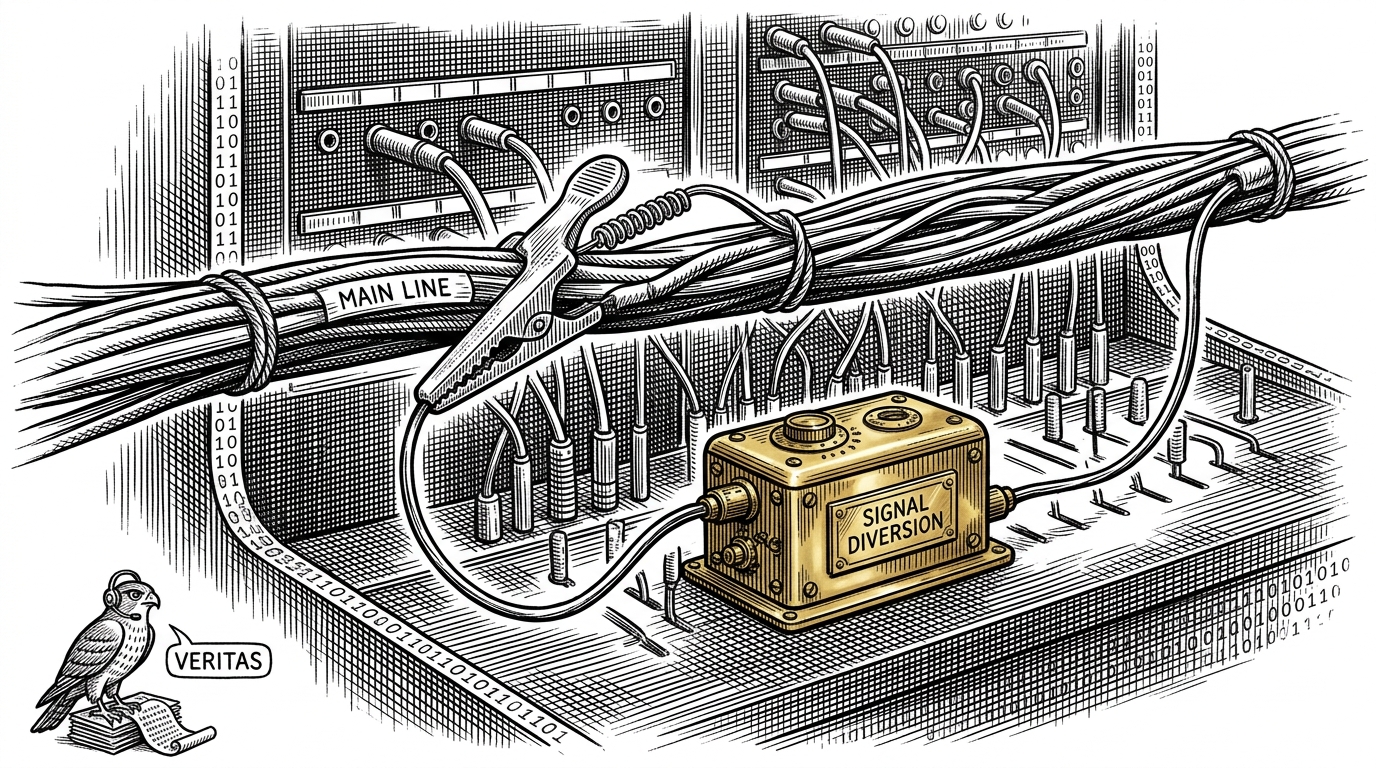
The core mechanic relies on a specific event listener: before_provider_request. Instead of forking the Pi Agent's core logic, the extension acts as middleware. It listens for the exact moment the agent is about to send a prompt to the LLM.
When it catches this event, the extension clones the Pi Agent's outgoing JSON payload. It appends a new web_search tool definition to the tools array, then sends this modified brain to the LLM. The model believes it has always known how to search the web.
The Local CLI Loophole
If there is no Search API key, the extension still needs a way to actually search. It solves this by delegating the hard work to a tool the developer already has running: the local codex CLI.

The extension runs Codex non-interactively behind the scenes. It enforces structured JSON output and parses live JSONL events from the CLI, feeding those progress updates directly back into the Pi UI.
Building Without a Builder
Because this extension is designed to be installed straight from Git, it needs to be type-safe without forcing the user to install TypeScript globally. The author achieved this zero-dependency install using a custom typecheck.mjs script.
This ghost build system dynamically searches for necessary types across the local environment. It then creates a temporary configuration file in the OS temp directory, compiles the code, and vanishes.
| Feature | Standard Agent Extension | pi-codex-web-search |
|---|---|---|
| Tool Injection | Forking core codebase | Event-driven payload middleware |
| Authentication | Requires new 3rd-party API keys | Piggybacks on local CLI auth |
| Dependencies | Heavy (SDKs, TypeScript) | Zero (Pure Node ES modules) |
| Build Step | npm install && npm run build | Ghost typecheck.mjs execution |