ClipJoy-Backend: The YouTube Clone That Treats Semantic Search as Core Infrastructure
A Node.js and MongoDB media backend that turns uploads into embeddings, routes discovery through AI-assisted metadata, and shows what a modern starter project looks like when search is built for meaning, not just keywords.
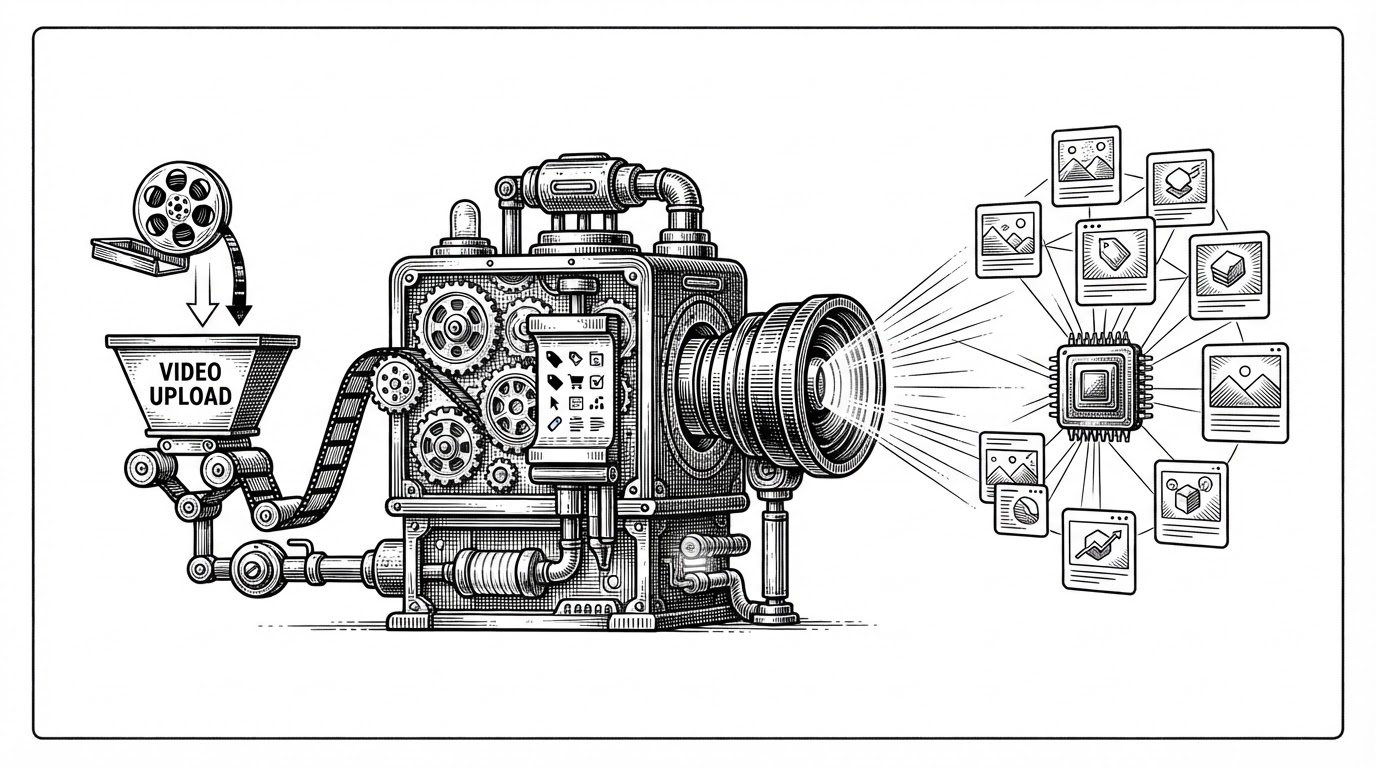
- ClipJoy-Backend turns the upload path into the product by enriching videos, generating embeddings, and routing discovery through semantic search.
- The repo is more than a clone because its MVC structure, JWT auth, Cloudinary storage, and AI integrations form one coherent backend pattern.
- `publishAVideo` is the architectural center of gravity, where local media becomes searchable content instead of a passive blob in storage.
- The project argues that modern starter backends should treat meaning, safety, and stateless scaling as defaults, not upgrades.
A video backend that searches by meaning
Most video backends stop at upload, auth, and a list endpoint. ClipJoy-Backend makes a sharper bet: the backend should understand the content it stores. When a creator publishes a video, the system can generate metadata, derive embeddings, and feed MongoDB vector search so a query can match by semantic similarity instead of exact keywords.
That changes the shape of the whole project. Search is no longer a bolt-on endpoint. It is the reason the upload pipeline exists in the first place.
Why this is more than a tutorial clone
The codebase is organized like a serious service, not a throwaway demo. It uses an MVC structure, ES modules, Express v5, Mongoose models, JWT authentication, Cloudinary for media storage, and Google generative AI integrations for enrichment and embeddings. Those choices do not feel random. They reinforce one another.
| Capability | Conventional media backend | ClipJoy-Backend |
|---|---|---|
| Upload handling | Store the file and return a URL | Validate, upload, and clean up temporary files |
| Search model | Keyword match or simple filters | Semantic matching with embeddings and vector search |
| Metadata | Manual or user-entered only | AI-assisted generation via an optional enrichment path |
| Auth pattern | Basic session or one-token JWT | Stateless JWT flow with access and refresh tokens |
| Storage strategy | Local or direct object storage | Cloudinary plus MongoDB persistence |
| Scaling posture | Tied to server state | Stateless API nodes with externalized media |
The result is a starter backend with a different ambition. It is trying to teach a modern baseline: files should be safe to ingest, users should be authenticated cleanly, and discovery should be intelligent from day one.
The upload pipeline is the product
The heart of the repo is `publishAVideo`. That function ties together the parts that usually live in separate mental buckets: file validation, AI enrichment, Cloudinary upload, embedding generation, and MongoDB persistence. The upload path is doing real product work before the video ever appears in a feed.
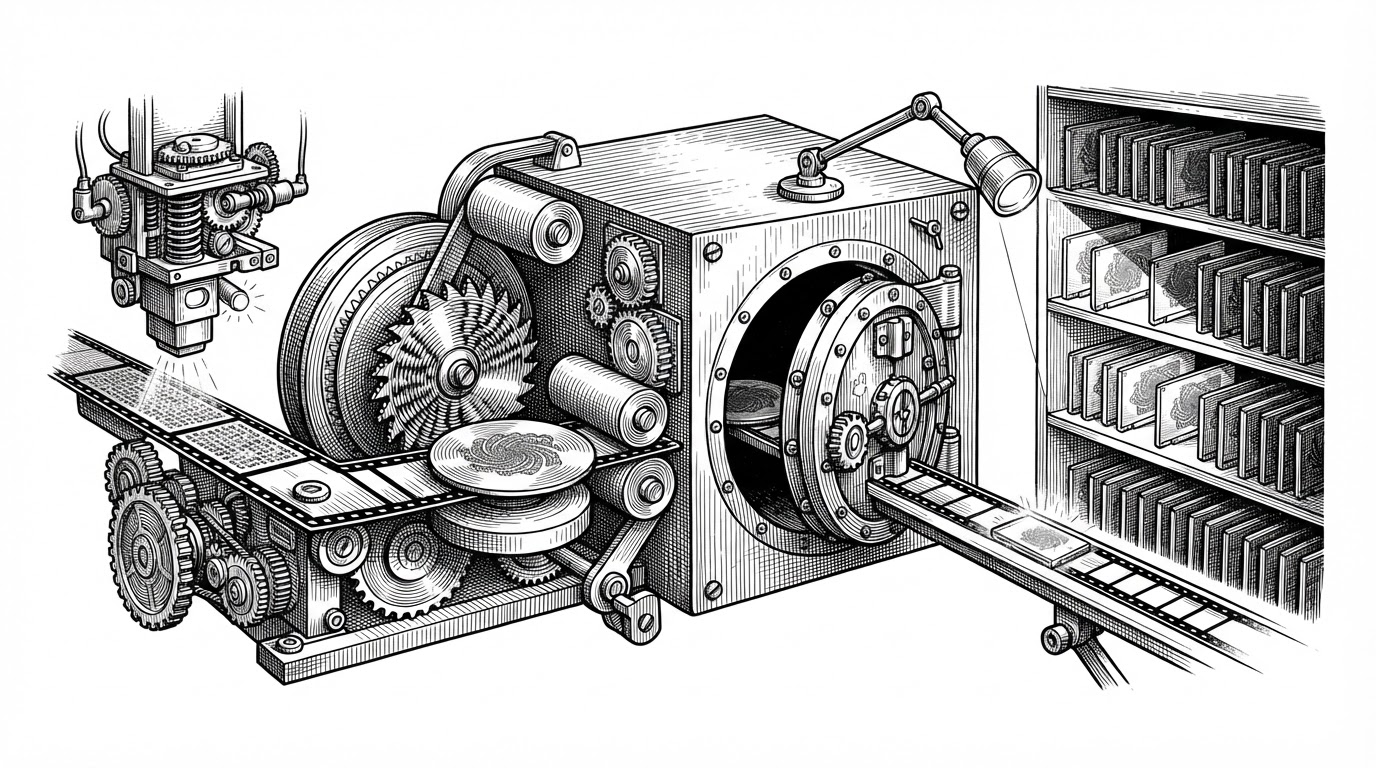
That pipeline matters because it reduces creator friction and improves retrieval at the same time. A creator does less manual work. A viewer gets better results.
Security and file handling are treated seriously
The AI features would not mean much if the backend were sloppy elsewhere. It is not. The repo uses a dual-token JWT model, password hashing in the user model, defensive middleware that strips sensitive fields, and Multer file filtering with explicit limits. The system is designed to accept media without trusting it.
// Conceptual shape of the defensive pipeline
const fileFilter = (req, file, cb) => {
  const allowed = file.mimetype.startsWith('video/') || file.mimetype.startsWith('image/');
  cb(null, allowed);
};

// Auth middleware removes sensitive fields before req.user continues downstream
req.user = {
  ...user,
  password: undefined,
  refreshToken: undefined,
};
That is the quiet value of the repo. The headline feature is semantic search, but the surrounding discipline is what makes it credible.
The social graph is quietly elegant
The subscription model uses a self-referencing relationship where both `subscriber` and `channel` point back to `User`. It is a clean way to model follows without inventing extra ceremony. That gives the backend a product-friendly foundation for counts, lists, and social aggregation later on.
This is the kind of design choice that gets overlooked in clone projects. It should not be. Social structure is part of the experience, and the schema makes that clear.
What ClipJoy changes about the starter-project template
ClipJoy-Backend is useful because it updates the default expectations for a media backend. A starter project can now include semantic search, AI metadata generation, upload hygiene, and stateless scaling without feeling experimental. The old baseline was CRUD plus auth. This repo argues for CRUD plus understanding.
| Starter project assumption | Old baseline | ClipJoy baseline |
|---|---|---|
| Content discovery | Keyword search | Semantic search from embeddings |
| Media intake | Accept the file | Validate, enrich, store, and clean up |
| Developer experience | Boilerplate API | Production-shaped service structure |
| Growth path | Add intelligence later | Treat intelligence as infrastructure |
That is why the repo stands out. It is not trying to be a bigger clone. It is showing what a smarter one looks like.