Nano-vLLM: The Small Codebase That Explains How LLM Serving Actually Works
A Python-first inference engine that makes PagedAttention, prefix caching, preemption, and tensor parallelism feel understandable instead of opaque.
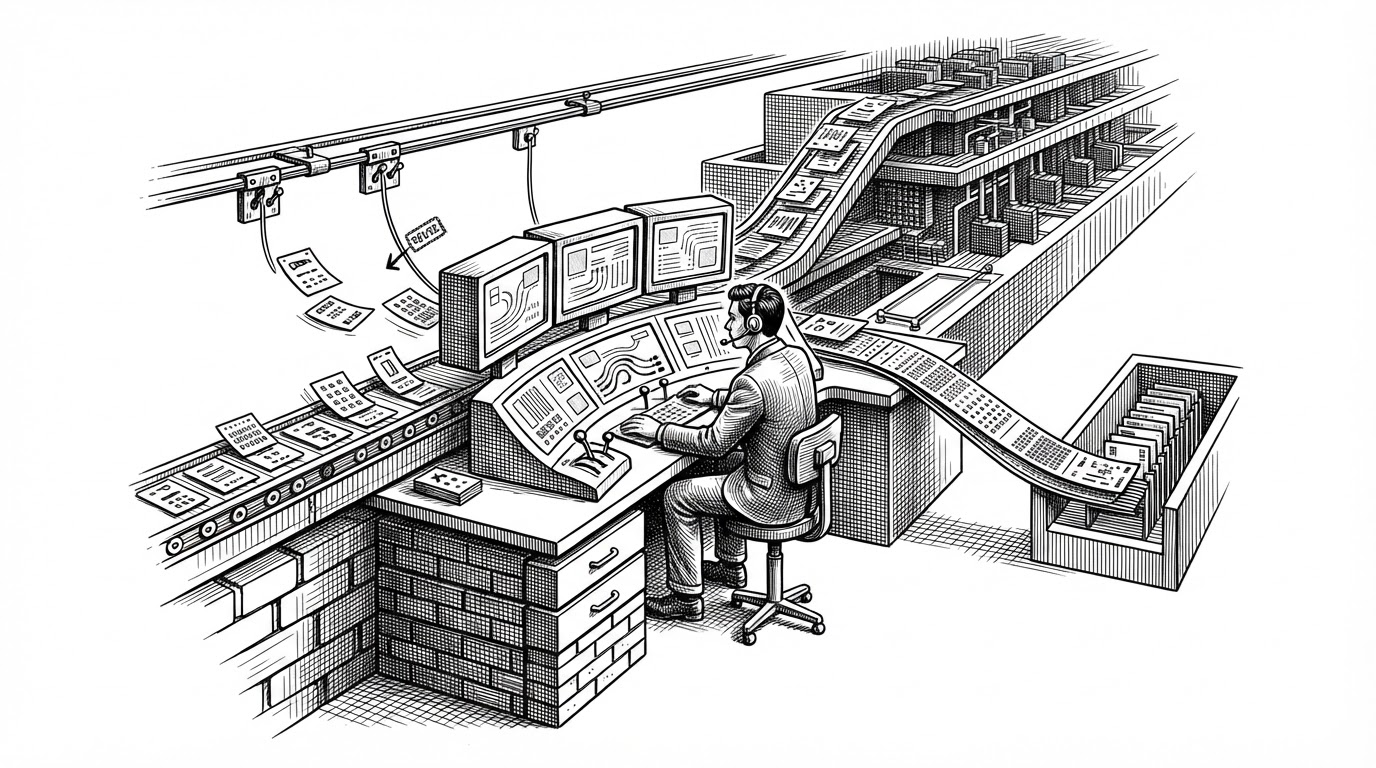

The entire codebase is roughly 1,000 lines, not because it cuts corners on the ideas, but because it strips away everything that isn't the idea. The ~1,000-line footprint isn't a limitation; it's the entire point.
- Nano-vLLM is most interesting as a readable map of modern LLM serving, not as a smaller clone of vLLM.
- Its sharpest design choice is the split between logical scheduling and physical KV-cache management.
- Prefix caching, chunked prefill, and preemption become legible because the engine treats memory as a first-class constraint.
- The repo proves that a Python-first codebase can still carry real production ideas when the architecture is disciplined.
Nano-vLLM is the rare inference repo that teaches as it runs. It is small enough to read in one sitting, but it still carries the parts that make modern serving hard: KV-cache pressure, scheduling, reuse, and multi-GPU execution. That combination is why it feels less like a toy and more like a compressed field guide to LLM systems.
Why This Tiny Engine Matters
The usual story about inference engines is breadth. More models, more kernels, more deployment targets. Nano-vLLM takes the opposite path. It narrows the surface area so the important mechanics stand out: requests compete for memory blocks, the scheduler decides who runs, and the system survives by preempting work before the GPU runs dry.
That makes the repo unusually useful for a technical reader. You do not just see that PagedAttention exists. You can trace how the engine keeps serving alive when prompts are long, batches are uneven, and the cache is tight.
The Trick: Logical Scheduling Is Separate From Physical Memory
The cleanest idea in Nano-vLLM is also the one that explains the whole engine. The scheduler decides which sequence should run, wait, resume, or get preempted. The block manager decides where KV cache actually lives.
That split matters because it keeps two different problems from being tangled together. One is policy. The other is storage. In a bigger codebase those concerns often blur into one another, which makes serving behavior feel magical. Here, they stay legible.
This is the repo's most valuable lesson. Serving is not a single trick. It is a set of decisions made under pressure, and the pressure point is usually KV cache.
What Happens When the GPU Runs Out of Space
When memory is tight, Nano-vLLM does not pretend the problem away. It uses chunked prefill to break long prompts into stages, and it uses preemption to move running sequences back into the waiting queue when the cache cannot hold everyone at once.
That sounds simple until you picture the traffic. One prompt is short and can run now. Another is long and needs to be staged. A third is a repeated conversation turn that may reuse cached prefix blocks. The scheduler keeps all of that moving without letting one request monopolize the machine.
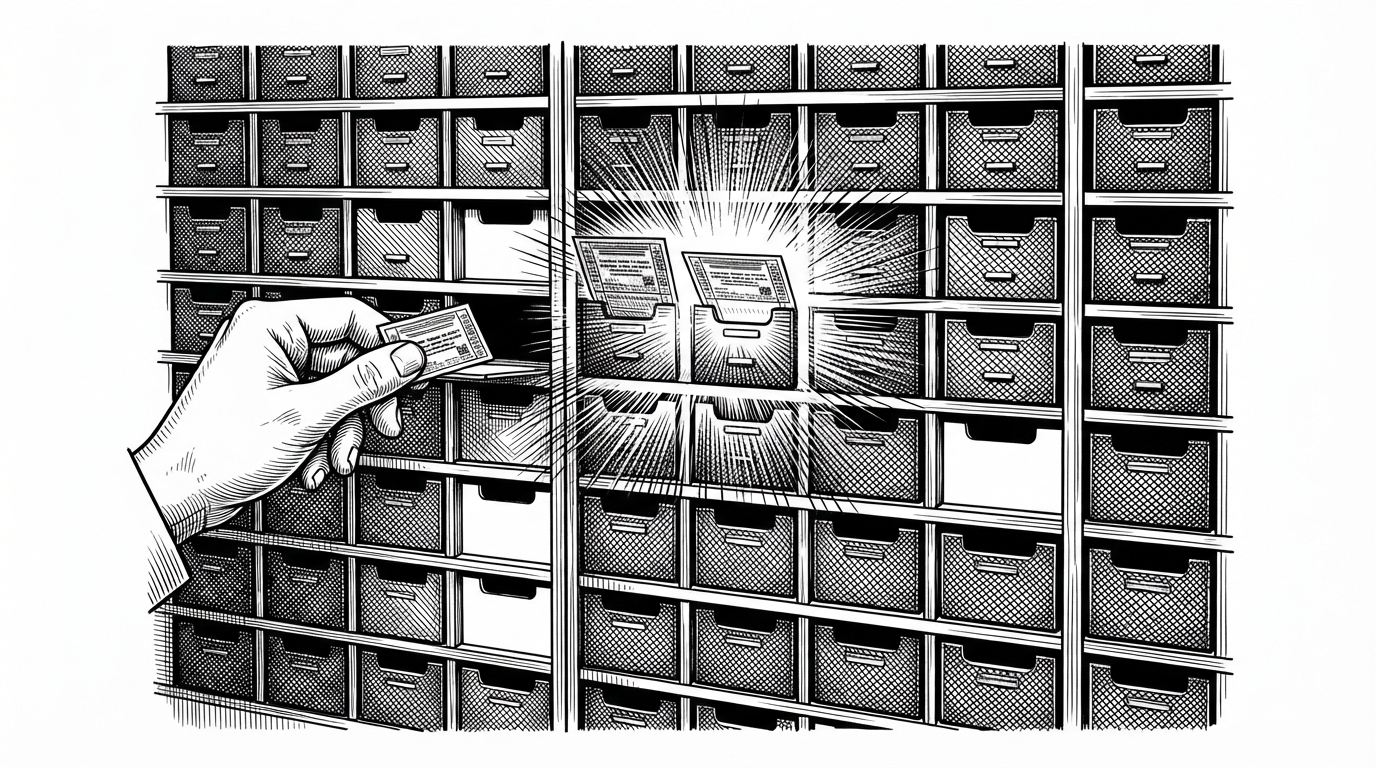
Why Prefix Caching Feels Like a Cheat Code
Prefix caching is one of the best reasons to read this repo. By hashing token sequences with xxhash and reusing matching KV cache blocks, Nano-vLLM turns repeated prompts from compute work into a lookup problem.
That matters most in chat-style workloads, where the beginning of a conversation often repeats across turns. Instead of recomputing the same prefix, the engine can reuse what it already knows and spend its budget on new tokens.
This is a great example of the project's style. It does not hide the trick behind abstraction. It shows you the mechanism and lets the payoff explain itself.
The Performance Stack Under the Hood
The runtime stack is compact, but every layer has a job. Triton handles efficient KV-cache writes. FlashAttention accelerates attention. Tensor parallelism spreads model weights across GPUs. CUDA graphs trim decode overhead by cutting down repeated launch cost.
The point is not the list. The point is that each piece attacks a different bottleneck. Memory layout, attention math, model placement, and launch overhead are all separate pain points, and Nano-vLLM treats them that way.
# Conceptual shape of the engine
sequence = scheduler.next()
blocks = block_manager.allocate(sequence)
if block_manager.is_cache_hit(sequence.prefix):
    blocks = block_manager.reuse_prefix(sequence.prefix)
model_runner.prefill(sequence, blocks)
model_runner.decode(sequence, blocks)
block_manager.release_if_done(sequence)
Even in a short codebase, the architecture still has layers. That is what makes it a useful reference instead of a demo.
How Nano-vLLM Compares to the Heavyweights
Nano-vLLM is not trying to beat the big runtimes on breadth. It is trying to beat them on legibility. That makes it a different kind of tool: less a deployment platform, more a lens for understanding how deployment platforms work.
| Project | Primary goal | Readability | Model breadth | Memory strategy | Best use |
|---|---|---|---|---|---|
| Nano-vLLM | Teach and distill the core mechanics of serving | Very high | Narrow, currently centered on Qwen3 | PagedAttention with block management and prefix caching | Learning, prototyping, tracing the full serving path |
| vLLM | Production-grade broad serving | Lower, because of scale | Very broad | PagedAttention at industrial scale | General deployment and ecosystem coverage |
| mini-sglang | Compact runtime focused on SGLang ideas | High | Moderate | Radix-style caching and runtime simplification | Learning SGLang's serving model |
| LightLLM | Modular serving with production leanings | Medium | Broader than Nano-vLLM | Optimized runtime pieces, less minimal than Nano-vLLM | Practical deployment with a smaller surface area than vLLM |
The comparison is straightforward. vLLM wins on reach. Nano-vLLM wins on readability. If you want to understand the shape of modern LLM serving without staring into a giant production codebase, Nano-vLLM is the better lens.
Why This Repo Has Outgrown Its Size
Nano-vLLM works because it refuses to hide the hard parts. It shows the scheduler, the block manager, the cache, the preemption logic, and the GPU path in one compact system. That makes it useful for people who are not just trying to run models, but trying to reason about them.
That is a bigger achievement than it looks like. Small codebases can be shallow. This one is the opposite. It is small because the author has been ruthless about keeping only the machinery that matters.
That is why the repo has value beyond its size. It is a learning scaffold, a practical engine, and a reminder that good infrastructure can still be readable.