Scion: The Multi-Agent System That Treats Agents Like Processes
Google Cloud Platform’s experimental orchestration testbed turns multi-agent coding into an isolation problem. `git worktree`, `tmux`, and runtime boundaries do the coordination prompts cannot.
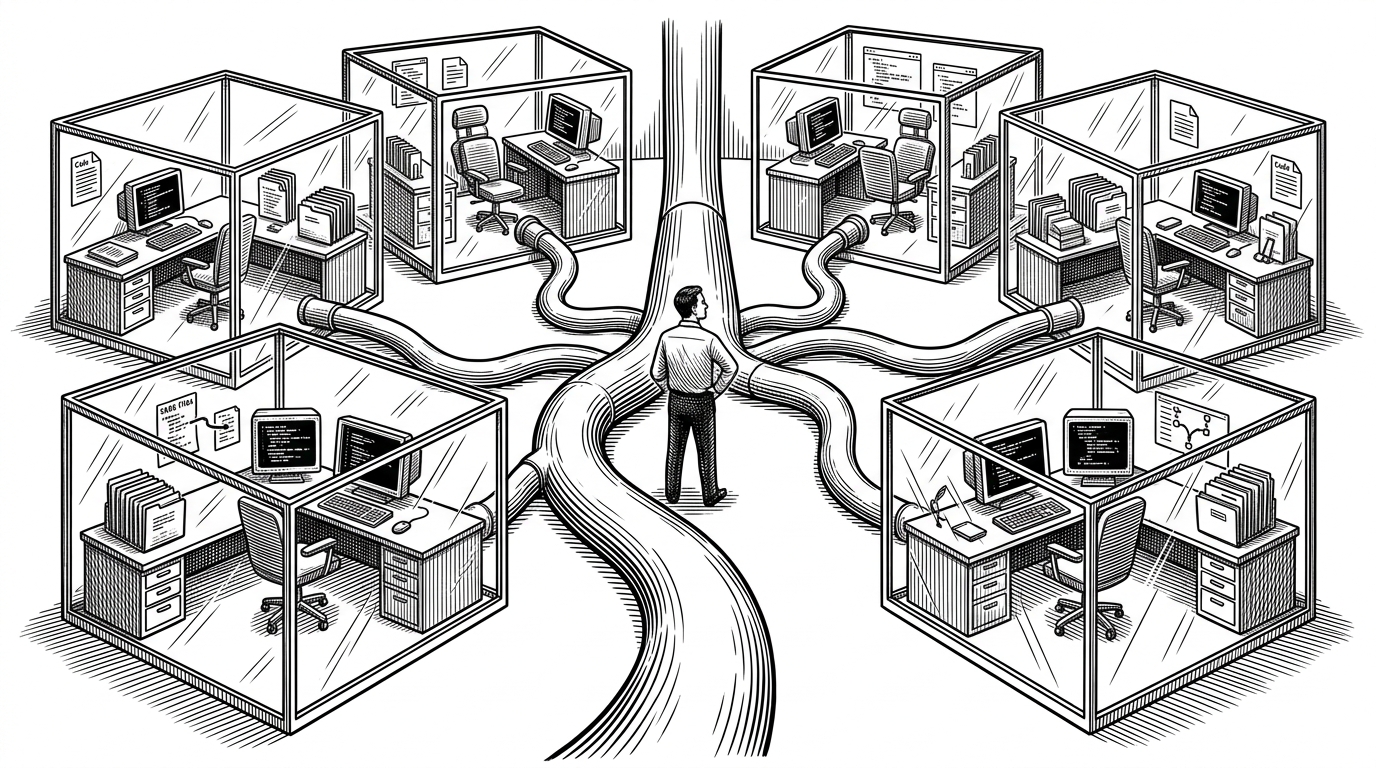
- Scion’s real innovation is to isolate agents like processes, so the environment absorbs coordination work that prompt engineering cannot.
- The Grove model turns one repository into many safe workspaces by combining `git worktree`, runtime profiles, and terminal sessions.
- `tmux` and observability make agent runs inspectable, which keeps the system closer to a live lab than a black-box planner.
- Scion argues that the future of multi-agent coding may look more like an operating system than a workflow engine.
The best way to understand Scion is to stop thinking about agents as chatty collaborators and start thinking about them as processes with boundaries. Each agent gets its own worktree, its own runtime, its own terminal session, and enough visibility that a human can still intervene without collapsing the whole setup.
That is a small shift in architecture, but a big shift in temperament. Most multi-agent systems spend their energy trying to coordinate behavior. Scion spends its energy trying to make coordination unnecessary in the first place.
The surprise: the filesystem is the orchestration layer
Scion’s core bet is simple. If you want multiple coding agents to work on the same repository safely, do not begin with a fancy planner. Begin with isolation. Separate the Git state, separate the runtime, and separate the terminal, then connect the outputs back into a shared control surface.
experimental multi-agent orchestration testbed designed to manage concurrent LLM-based agents running in containers across your local machine and remote clusters
That choice is what makes Scion feel different from prompt-heavy frameworks. The project is not trying to make agents obedient through elaborate instructions. It is trying to make them safe to unleash by constraining where they can touch, write, and run.
Why Scion exists
The practical problem is familiar to anyone who has tried to run parallel work on one codebase. Shared working trees get dirty. Branches drift. One agent’s partial edit can break another agent’s tests. Terminal output becomes a blur, and the actual execution state disappears behind the conversation about it.
Scion answers that by treating each agent like an independently running worker. The codebase may be shared, but the mutable surface area is not. That makes the failure mode easier to reason about, because the blast radius stays local.
This project is currently in a pre-release/alpha stage.
How a Grove turns one repo into many safe workspaces
Scion’s local control plane is the Grove. That is where the system resolves profiles, chooses a runtime target, injects environment variables, and provisions the per-agent workspace that keeps each run separate from the others.
The important piece is the worktree. A `git worktree` gives each agent its own filesystem slice without requiring a separate clone. That preserves shared repository history while preventing agents from colliding in the same checkout.
scion start
  -> resolve profile
  -> provision git worktree
  -> launch runtime
  -> attach tmux pane
  -> stream logs and traces
From there, the runtime layer does the heavy lifting. Scion can target local containers, remote containers, or Kubernetes. The same agent definition can move across those environments because the Grove resolves the details at launch time instead of baking them into the prompt.
Why tmux is the secret weapon
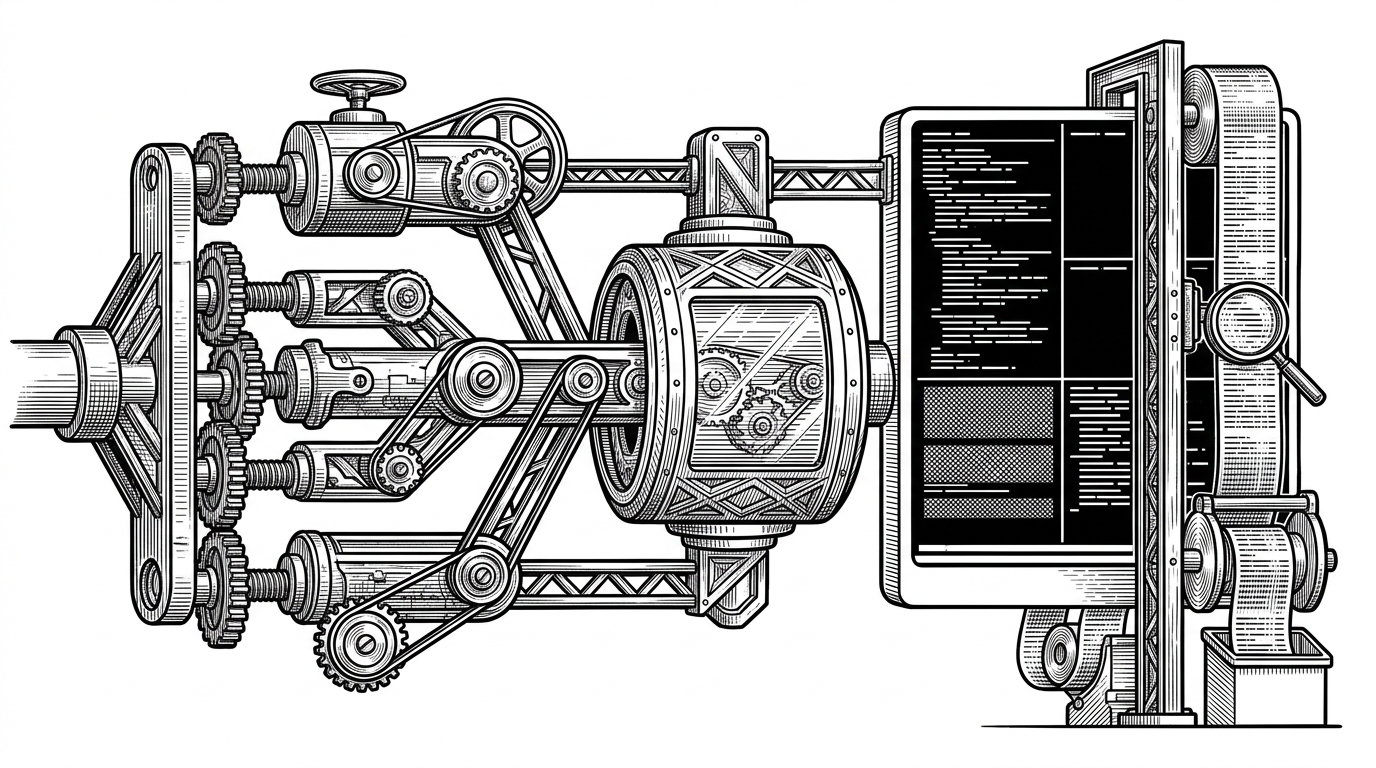
`tmux` gives Scion persistence and attachability without inventing a new terminal abstraction. That sounds modest, but it changes the feel of the whole system. Instead of a hidden orchestration backend, you get a live surface you can inspect, reattach to, and reason about.
This is one of Scion’s most effective design choices because it keeps humans in the loop without making them babysitters. The agents run in their own lanes, but the operator can still see what they are typing, what they are failing on, and where the run has drifted.
The design culture behind the code
The `.design` folder is editorial evidence. It signals a project shaped by tradeoff documents, not just implementation enthusiasm. That matters because Scion is not a wrapper around one model or one CLI. It is an opinionated system with explicit choices about identity, isolation, and runtime boundaries.
hypervisor for agents
That phrase is useful because it describes the architecture more honestly than the usual agent vocabulary does. Hypervisors do not make workloads smarter. They make them safer to run side by side. Scion is aiming for the same property in software engineering workflows.
Scion versus workflow-first agent systems
| Dimension | Scion | Workflow/DAG-style agents | Editorial takeaway |
|---|---|---|---|
| Coordination model | Agents share a repo but run in isolated environments | Agents follow explicit steps, graphs, or formulas | Scion trusts the environment more than the plan |
| Isolation strategy | Separate worktrees, runtimes, and terminal sessions | Often shared execution space with stronger orchestration logic | Isolation is the product |
| Failure mode | Local breakage stays local | Planner complexity can become the bottleneck | Less central control can mean less central fragility |
| Human debugging experience | Attach to live tmux sessions and inspect the run | Inspect logs or workflow state after the fact | Scion keeps the work observable in real time |
| State management | Profiles resolve runtime and environment details at launch | State often lives in the workflow engine | State is pushed outward into the filesystem and runtime |
| Fit for software engineering tasks | Strong when the task needs parallel code changes | Strong when the task fits a rigid sequence | Scion is tuned for messy codebase work |
The comparison is not that one side is right and the other is wrong. It is that Scion is betting on a different axis. Where workflow engines try to make agent behavior legible, Scion tries to make agent coexistence safe.
What this architecture suggests about the future of agent tools
If multi-agent coding becomes normal, the decisive layer may not be the planner. It may be the environment. Tools like Scion point toward a future where the winning systems look less like task graphs and more like miniature operating systems for software work.
That is why Scion matters even in an experimental state. Its novelty is not a dramatic new model trick. It is the disciplined reuse of boring primitives. `git worktree`, `tmux`, containers, and observability are old tools. In Scion, they become the substrate for a new kind of agent stack.