Ignitetechnologies/Mindmap: Mapping the Chaos of the Cyber Frontier
How a visual-first repository became the definitive spatial index for the modern security researcher.
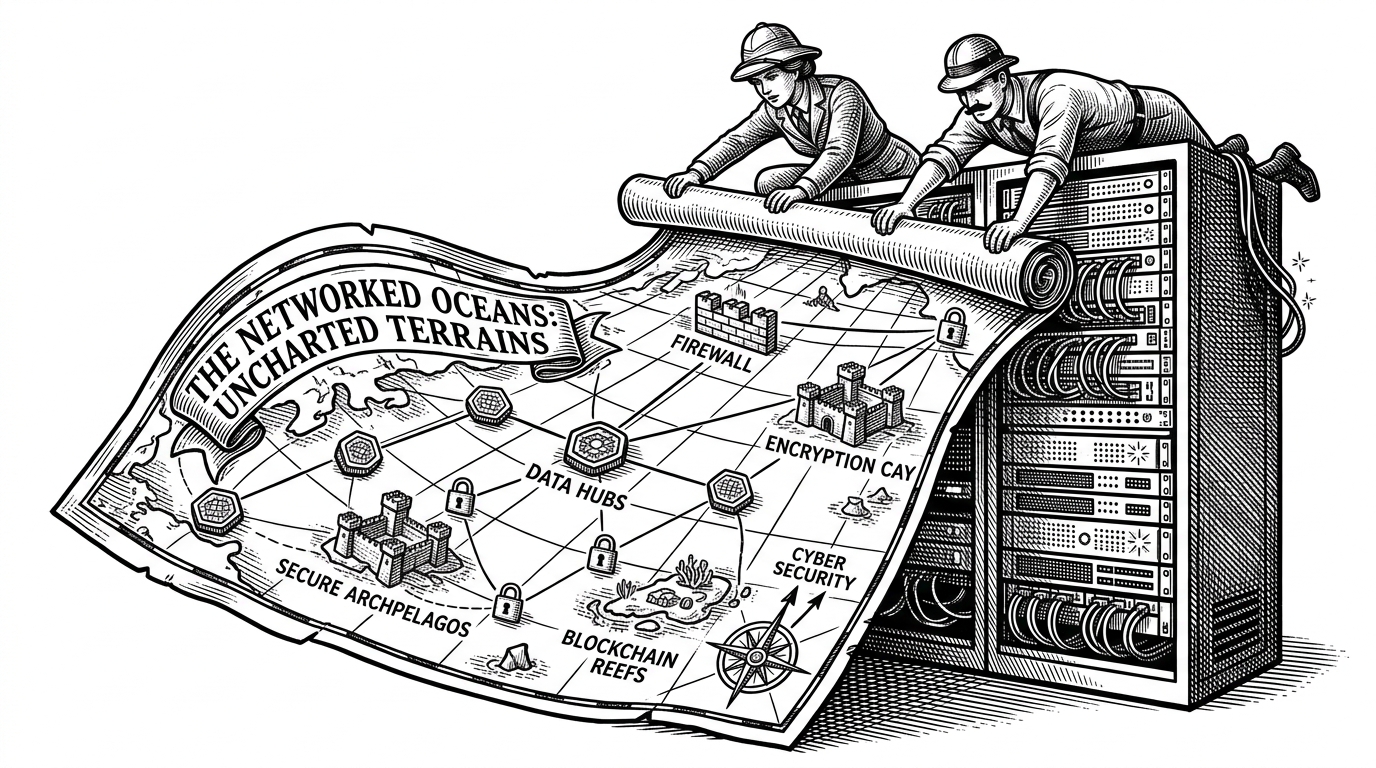

This repository organizes complex cybersecurity concepts into visual tree structures, making it easier for learners and professionals to quickly understand relationships between tools, techniques, and domains in cybersecurity.
- The repository replaces text-heavy bookmark lists with a spatial hierarchy for cybersecurity tools and methodologies.
- High-resolution images up to 4K resolution enable researchers to visualize complex frameworks like the MITRE ATT&CK matrix in a single view.
- Human curation provides pedagogical context and threat modeling frameworks that automated AI scraping tools currently lack.
- The project uses a freemium open-source model to drive users toward structured professional training programs.
The Death of the Bookmark Folder
Most cybersecurity resources are firehoses. A junior pentester stepping into the field is immediately hit with endless streams of CVEs, sprawling GitHub links, and dense terminal commands. The traditional method of managing this chaos is the venerable bookmark folder or a massive markdown document.
These text-heavy lists eventually fail under their own weight. They lack spatial hierarchy. When you have five hundred tools documented, finding the right payload becomes an exercise in frustration. The Ignitetechnologies/Mindmap repository abandons the search-based paradigm entirely.

Resolution as a Feature
The project treats the entire security industry as a spatial problem. Rather than acting as a software tool, it serves as a definitive visual taxonomy. The core abstraction is the mind map itself, designed to bridge the gap between high-level theory and low-level execution.
A unique architectural choice is the strict file naming and resolution standard. Each node in the repository typically provides formats in Normal, HD, and UHD. Providing a 4K image of a MITRE ATT&CK matrix is an absolute necessity when condensing hundreds of techniques into a single readable view.
Open Source as a Lead Magnet
Beyond its utility as a reference, the repository operates as a massive educational funnel. It exemplifies documentation-as-a-service. By providing high-quality, structured maps for free, the project drives users toward structured training programs offered by its creators.
A comprehensive collection of cybersecurity mind maps covering technologies, tools, methodologies, courses, and certifications used in the security industry.
This freemium open-source model ensures the repository remains actively maintained. The data flow is not merely one-way. It is designed to be updated based on the evolving terrain discussed in community hubs.
Static Maps in an AI World
A new wave of AI-generated tools attempts to map data dynamically. Projects utilizing agentic AI can scrape the live web to populate markdown trees on the fly. However, the Ignitetechnologies approach proves there is still immense value in human curation.
An AI might generate a list of flags for a tool, but it lacks the pedagogical intuition to place that tool correctly within a broader threat modeling framework. The human-curated map wins on context.
| Approach | Curation | Output Format | Primary Use Case |
|---|---|---|---|
| Ignitetechnologies/Mindmap | Human Experts | Static UHD Images | Pedagogical Learning |
| PromptMap / AI Tools | Agentic LLMs | Dynamic HTML/SVG | Rapid Prototyping |
| Awesome Lists | Community Driven | Markdown Text | Search and Reference |
Ultimately, the repository serves as a reliable cartographer for an otherwise unruly domain. It turns the fragmented, overwhelming world of cybersecurity into a landscape that can be studied, understood, and conquered.