Industrial-Foregoing: The Factory Built to Survive Upstream Chaos
How Industrial Foregoing uses extreme data generation to automate the unautomatable and outlast years of breaking API changes.
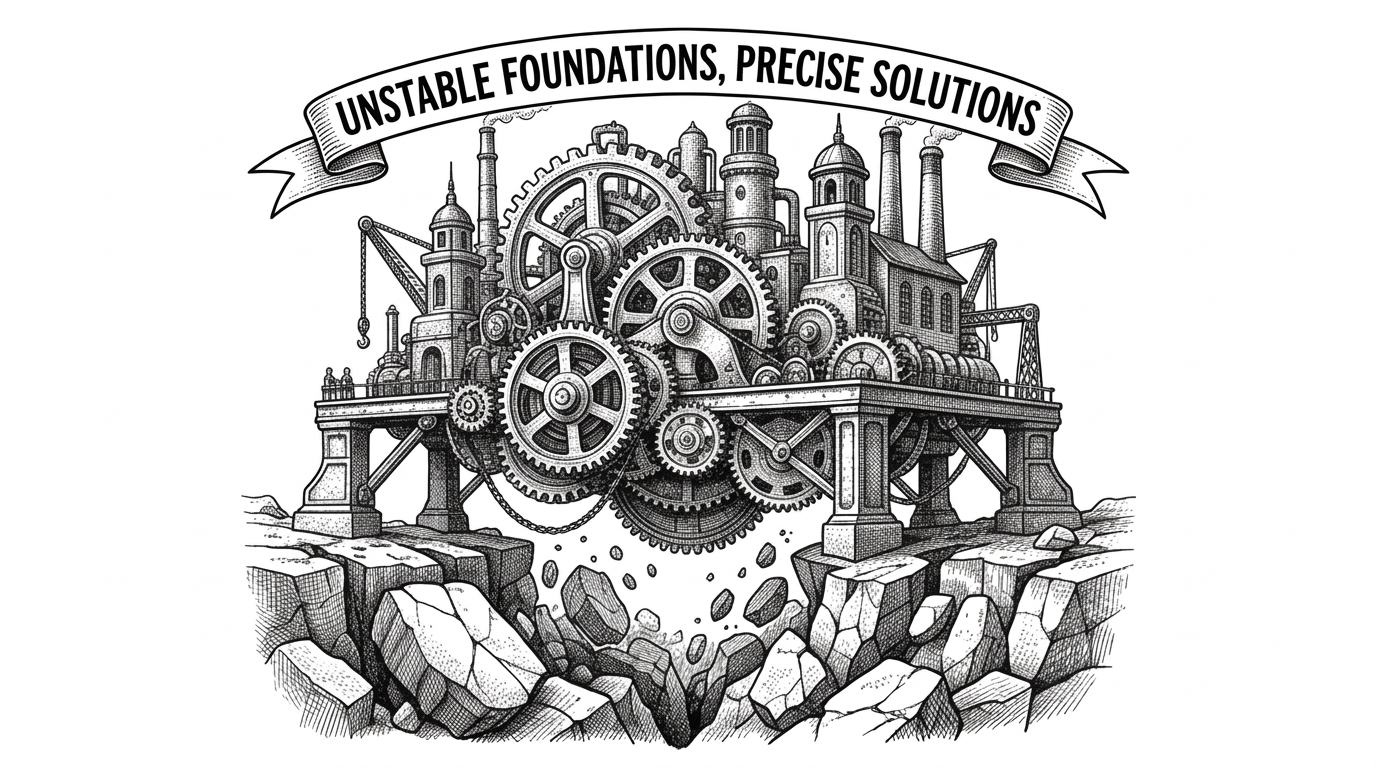
- Industrial Foregoing uses programmatic data generation to insulate thousands of asset files from frequent breaking changes in the upstream API.
- The project differentiates itself from traditional tech mods by focusing on the automation of biological entities and organic resources.
- A strict object-oriented inheritance model allows machines to share predictable logic for power, inventory, and modular range upgrades.
- The architecture prioritizes spatial efficiency and server performance by using compact single-block machines instead of complex physics-based systems.
The Architecture of Survival
Minecraft's modding API undergoes massive breaking changes with almost every major release. When the underlying engine shifts, standard practice for massive tech mods is to either rewrite their entire codebase from scratch or slowly die out. Industrial Foregoing survives by refusing to hardcode its behavior. By treating code as configuration, it decouples its logic from the volatile game engine.
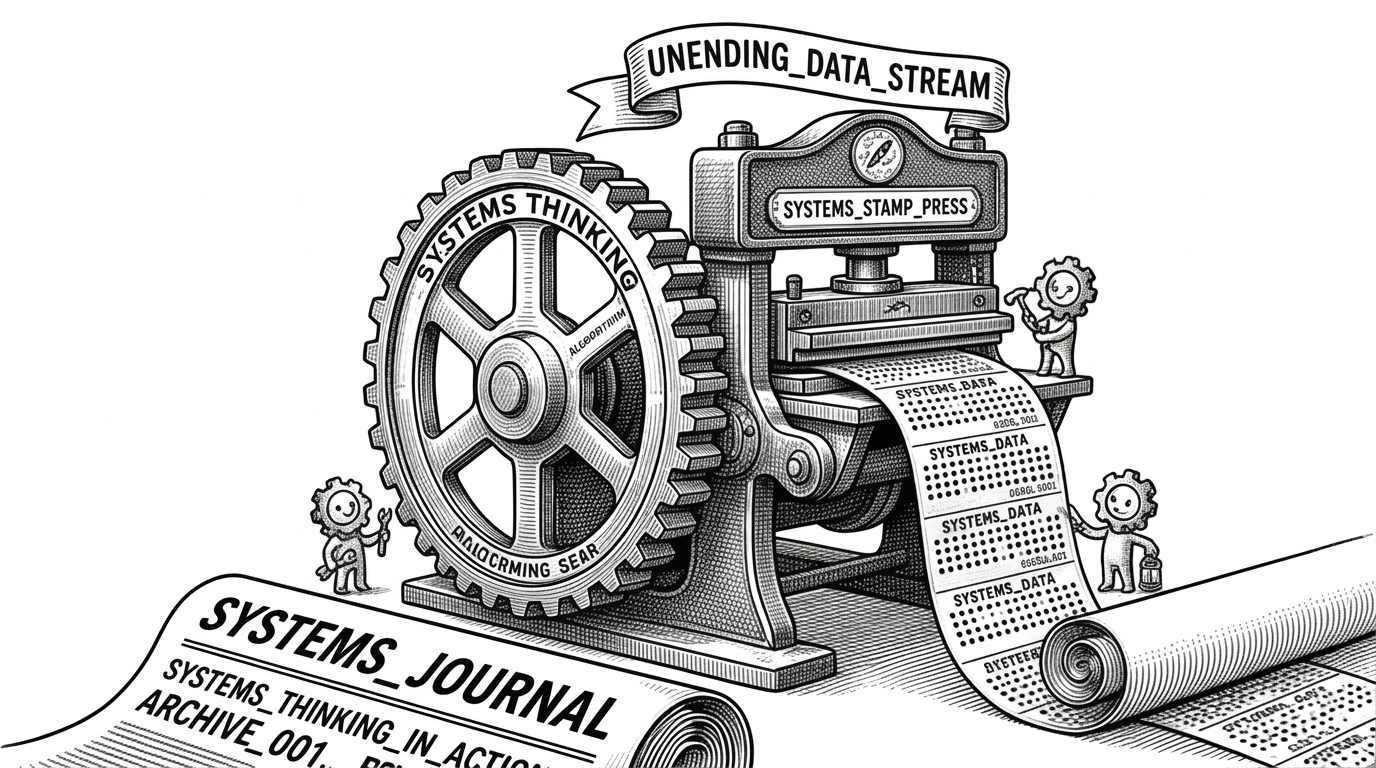
The secret lies in the src/generated directory. Instead of manually maintaining hundreds of JSON files for machine blockstates, recipes, and advancement triggers, the developers use Java to programmatically stamp them out. The mod's internal Titanium library acts as a generator. When the upstream API changes, the maintainer updates the generator language once, and the thousands of asset files are recreated perfectly.
This approach protects the 2.1 megabytes of Java source code from rotting. It is an extreme form of defensive programming tailored for an ecosystem where upstream stability is a myth. The generated assets act as a buffer between the mod's complex internal state and the strict expectations of the game's registry.
Automating the Biological
Most industrial automation software focuses on metallurgy, crushing ores, and routing power. Industrial Foregoing pivots entirely to the biological. It treats living entities as just another resource stream to be optimized and routed.
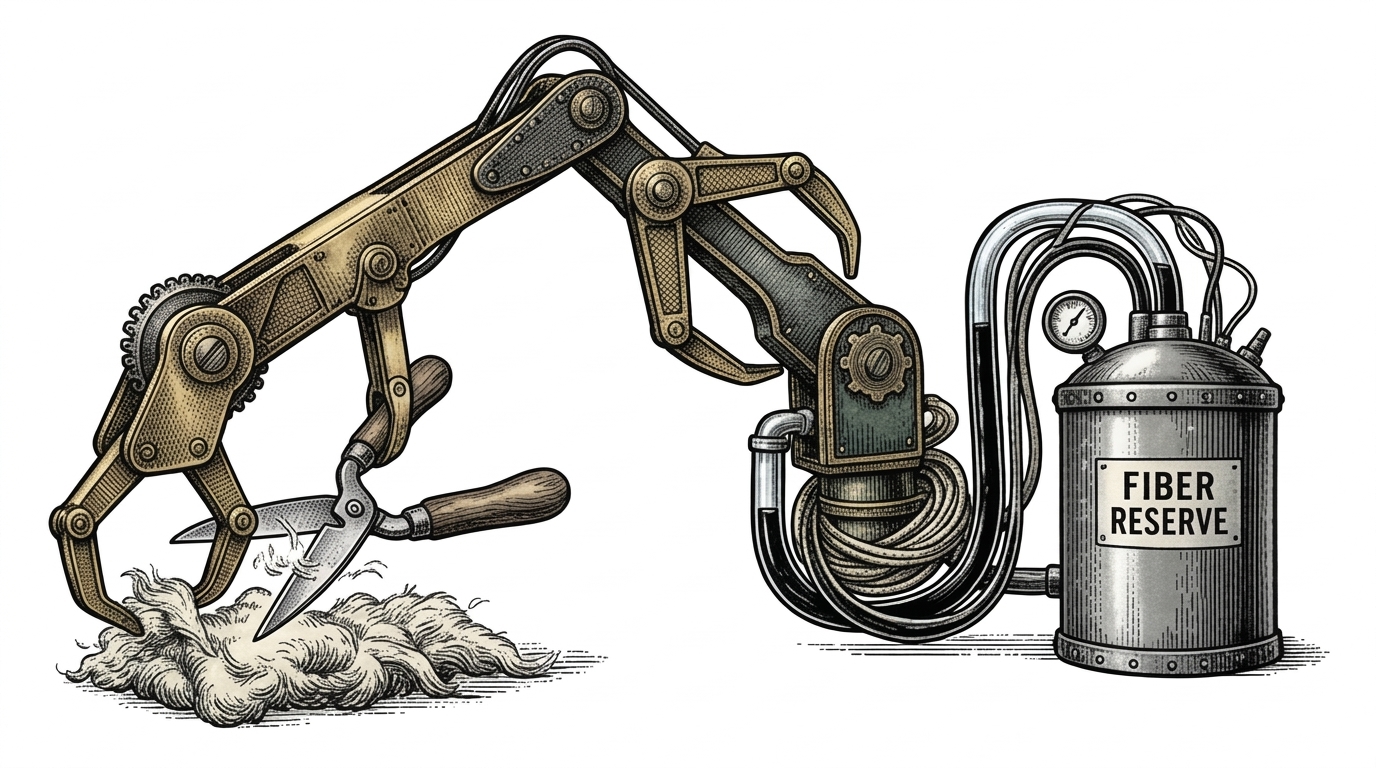
The mod provides specialized machines to automate the unautomatable. It features an Animal Rancher for shearing sheep and milking cows, a Plant Gatherer for harvesting crops, and systems for extracting "Mob Essence" to power spawners. Instead of building a better furnace, players build mechanical slaughterhouses and automated breeding pens.
The Anatomy of a Machine
Every machine in the mod shares a strict object-oriented hierarchy built on "Machine Frames." A machine starts at the Pity tier and can be upgraded through Simple, Advanced, and Supreme tiers. This strict inheritance model ensures that power consumption, inventory routing, and fluid handling behave predictably regardless of what the machine actually does.
The system relies heavily on modular Addons rather than unique code for every state. A single Plant Gatherer block can dynamically alter its bounding box and tick rate based on the Range Addons inserted into it. The Titanium library handles this complex state logic, translating the presence of an item into an exponentially larger working area in the game world.
The Automation Ecosystem
In the broader ecosystem of factory builders, distinctive design philosophies separate the major projects. Create focuses on kinetic in-world movement and visual aesthetics. Mekanism relies on massive multi-block structures and complex chemical processing chains. Thermal Expansion standardized the modern power system with highly polished, single-purpose blocks.
| Project | Primary Focus | Architecture Style | Key Differentiator |
|---|---|---|---|
| Industrial Foregoing | Biological & Entity | Single-block "Magic Boxes" | Data-driven generation, Range Addons |
| Create | Kinetic Force | In-world physical movement | Visual gear networks, aesthetic focus |
| Mekanism | Chemical Processing | Complex Multi-blocks | 5x ore doubling, gas states |
| Thermal Series | Metallurgy | Standardized blocks | Highly polished RF integration |
Industrial Foregoing optimizes for server performance and spatial efficiency. Its machines are compact "magic boxes" that handle complex calculations internally rather than relying on physics updates in the game world. This makes it the preferred framework for late-game scaling.
The Burden of the Factory Architect
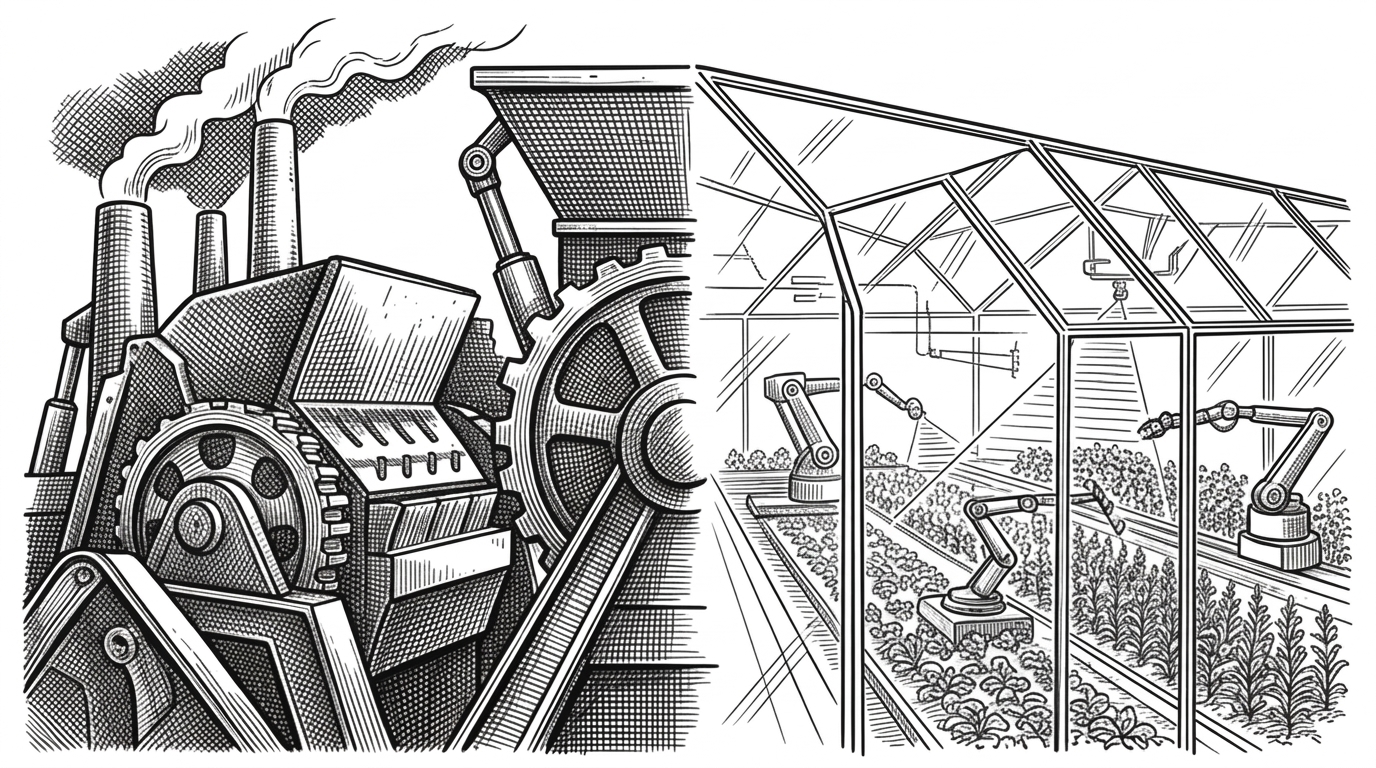
The project began as a spiritual successor to MineFactory Reloaded, a beloved legacy automation framework that failed to survive an early engine transition. To prevent history from repeating itself, Industrial Foregoing was architected from day one to outlast its environment.
The repository reveals an incredibly low bus factor. Developer Buuz135 carries the overwhelming majority of the commits, carefully managing complex CI/CD pipelines that still target legacy versions of the game. Maintaining a project of this scale across endless breaking changes requires more than just good code. It requires an architecture designed specifically to automate the maintainer's own workload, ensuring the factory never stops running.
Sources: Architecture details and historical context derived from the Industrial Foregoing GitHub repository and build configuration files.