Agent-Reach: The AI Doppelgänger Bypassing the API Tax
How a Python middleware layer hijacks local browser cookies to give coding agents free, authenticated access to the walled web.

Give your AI agent eyes to see the entire internet. Read & search Twitter, Reddit, YouTube, GitHub, Bilibili, XiaoHongShu — one CLI, zero API fees.
- Agent-Reach circumvents expensive API fees and bot detection by extracting local browser cookies, granting AI agents authenticated 'Agent-as-User' access to walled gardens.
- Instead of building its own scrapers, the Python middleware orchestrates specialized, aggressively maintained CLI binaries like yt-dlp and bird.
- The project introduces the SKILL.md paradigm, exposing an instruction manual explicitly written for LLMs to understand their new execution permissions.
- Platform-specific cleaners aggressively sanitize bloated JSON metadata to protect the LLM's finite context window and minimize input token costs.
The API Paywall Problem
Modern LLM agents are brilliant but largely blind. When developers use tools like Claude Code or Cursor to troubleshoot a bug, the agent cannot inherently read a relevant Twitter thread or parse a Bilibili video tutorial. The internet has become a walled garden of rate limits, aggressive Cloudflare bot-detection, and exorbitant API fees.
Official APIs are prohibitively expensive for casual agent use, and traditional scrapers are quickly blocked. The friction of bridging the sandboxed LLM with the live web has become a major bottleneck in agentic workflows.
The Identity Heist
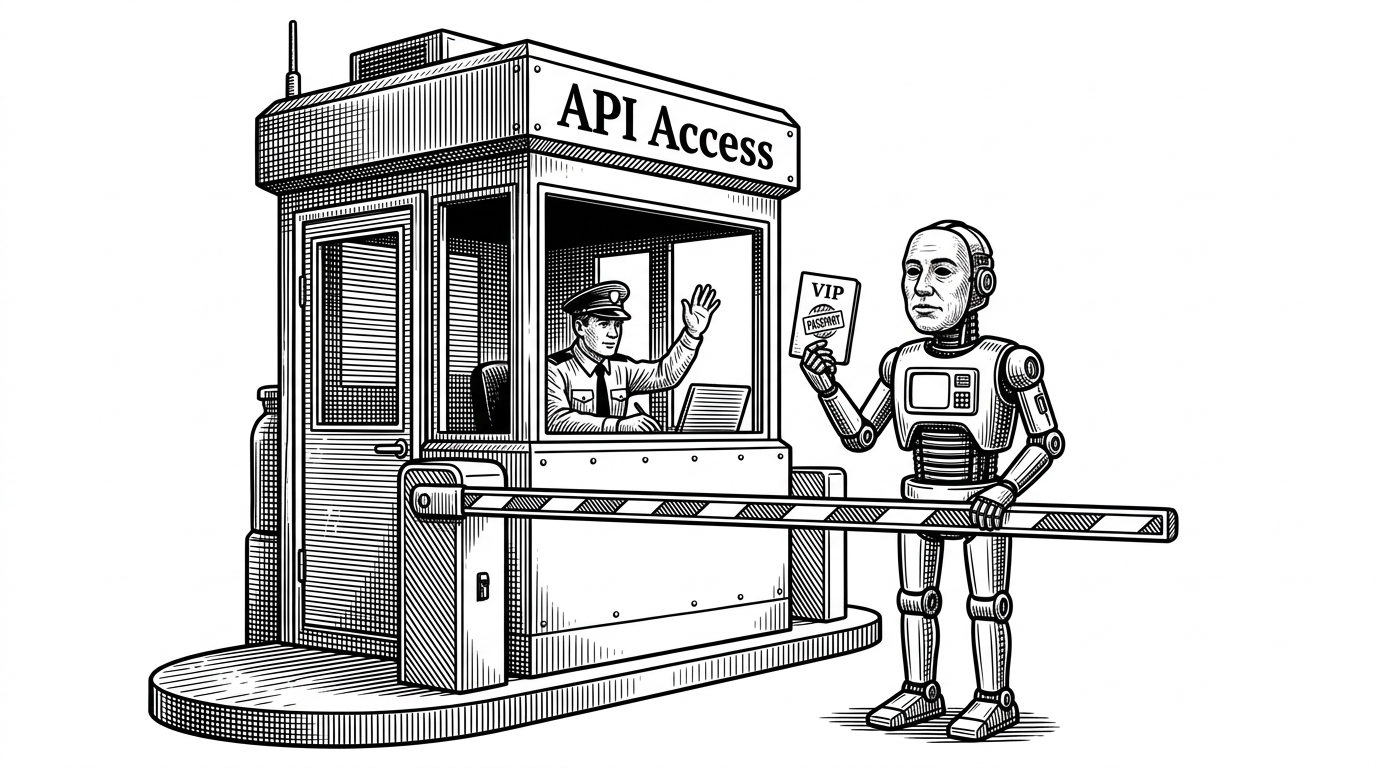
Agent-Reach solves the access problem through a clever identity heist. It operates on an 'Agent-as-User' philosophy. By utilizing the browser-cookie3 library, it extracts local session tokens directly from the user's Chrome or Edge browser.
It does more than just read these cookies; it aggressively injects them into the configuration files of upstream CLI tools. To the target website's servers, the incoming requests from the AI agent are indistinguishable from the user's own authenticated browsing session, entirely bypassing bot mitigation.
The Orchestrator, Not a Scraper
Architecturally, Agent-Reach is not a scraper; it is a standardized connectivity middleware. The Python codebase acts primarily as a configuration manager. When an agent needs to retrieve a YouTube transcript, Python does not download it. Instead, it dispatches the command to the specialized Go or Node.js binary, such as yt-dlp.
This decoupled design allows the project to leverage the best, most aggressively maintained open-source binaries for specific platforms, rather than attempting to reimplement complex, fragile scraping logic.
A Syllabus for Machines
Perhaps the most fascinating aspect of Agent-Reach is its interface paradigm. Instead of providing a traditional API SDK for developers to integrate, it exposes a SKILL.md file. This Markdown file is explicitly written for the LLM to read.
It serves as an instruction manual, teaching the agent what CLI commands it has permission to run and how to format the arguments. It represents a shift toward writing documentation specifically for machine consumption.
The Token Diet
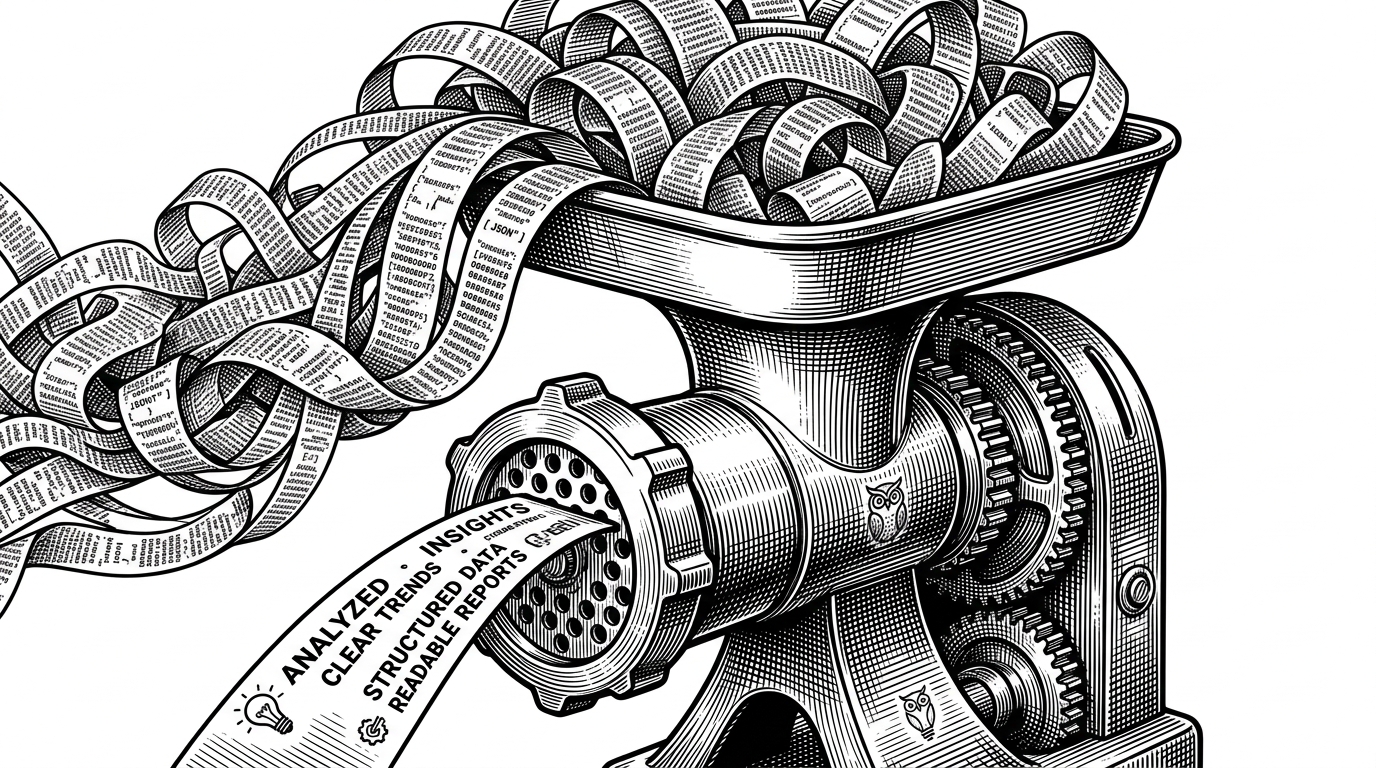
Raw API responses from platforms like XiaoHongShu are heavily bloated with tracking IDs and structural JSON metadata. Because LLMs have finite context windows, this bloat is expensive and inefficient.
Agent-Reach implements platform-specific 'Cleaners.' These functions aggressively sanitize the incoming data, returning only the essential title, description, and content. This protects the LLM's context window and minimizes input token costs.
Leaving the Walled Garden
While default agent search tools like Brave Search provide a baseline, they are largely restricted to indexed web pages and struggle with authenticated platforms. Agent-Reach offers deep, platform-specific extraction by operating natively within the user's authenticated session.
| Feature | Standard Agent Search (e.g., Brave) | Official APIs | Agent-Reach |
|---|---|---|---|
| Cost | Free tier limits | $100+ monthly | Free (Zero API Fees) |
| Authentication | Unauthenticated | Bearer Tokens | Local Browser Cookie Sync |
| Walled Garden Access | Blocked (Twitter, XHS, Bilibili) | Full (if paid) | Full (Agent-as-User) |
| Data Format | Raw HTML/Text | Bloated JSON | Token-Optimized Markdown |