Authentication-System: Hardening the Handshake: Inside a Production-Ready Auth System
Beyond the basic JWT tutorial. How to implement token rotation, granular rate limiting, and database-side session defense in Node.js.
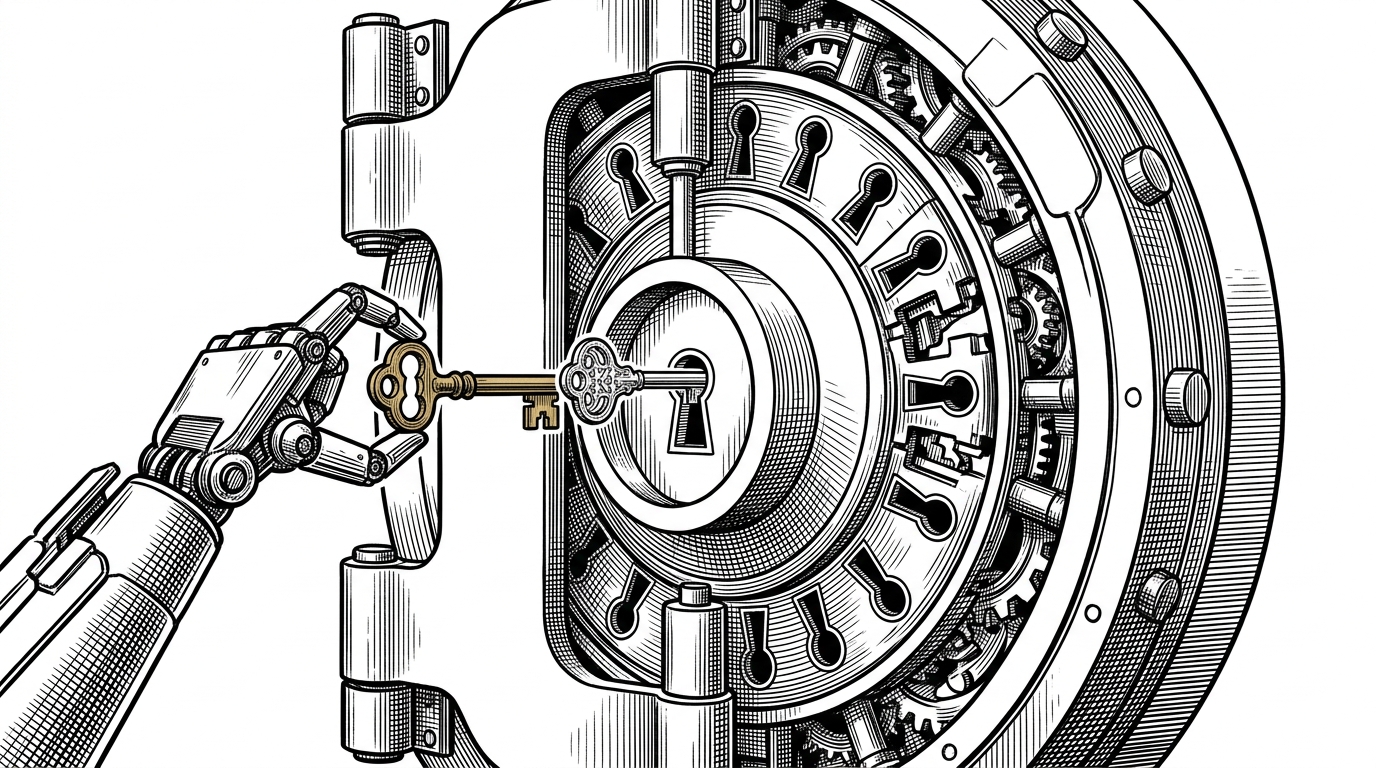
- The system implements refresh token rotation to automatically invalidate all user sessions if a breach is detected.
- Double hashing protects the database by encrypting both user passwords and refresh tokens at rest.
- Tiered rate limiting applies strict request caps to sensitive authentication routes while keeping general API endpoints accessible.
- A custom logging stack provides a permanent audit trail for security reviews and immediate developer feedback.
Most developers learn authentication from basic tutorials that are dangerously incomplete. They skip token rotation, ignore rate-limiting on sensitive endpoints, and leave refresh tokens vulnerable in the database.
The Authentication-System repository by Pujan-khunt is an implementation of the missing security logic that usually only exists in enterprise-grade proprietary systems. It bridges the gap between a simplistic login script and a hardened, breach-aware session manager.
The Anatomy of a Breach-Aware Session
Standard JSON Web Tokens are stateless. Once issued, they are valid until they expire. If an attacker steals one, the server has no native way to revoke it.
This system solves the flaw using Refresh Token Rotation. The architecture issues short-lived access tokens alongside a longer-lived refresh token. It goes a step further with token reuse detection. If an attacker tries to use a stolen refresh token that has already been rotated, the system assumes a breach. It instantly clears all active sessions for that user.
Hashing the Keys to the Kingdom
Storing plain refresh tokens in the database is a critical vulnerability. An exposed database immediately compromises all active user sessions.
The repository employs a double hashing strategy within its Mongoose models. It hashes not just user passwords, but the refresh tokens themselves before saving them to disk. If the database is leaked, attackers cannot extract the raw refresh tokens to forge new access tokens.
userSchema.pre('save', async function (next) {
  if (!this.isModified('password')) return next();
  this.password = await bcrypt.hash(this.password, 10);
  next();
});
Tiered Defense and Observability
Authentication endpoints are primary targets for credential stuffing. Applying a global rate limit across the entire API is insufficient and prone to false positives.
This codebase separates rate limiters by context. The login and registration routes utilize strict sliding-window limiters, capping attempts to ten per fifteen minutes. General API routes remain unrestricted by these specific gatekeepers.
Visibility is handled by a custom Morgan and Chalk logging stack. It separates terminal output from persistent file logging, ensuring developers get immediate visual feedback while maintaining a permanent audit trail for security reviews.
| Feature | Typical Tutorial | Pujan-khunt System | Enterprise SaaS |
|---|---|---|---|
| Token Storage | Local Storage | httpOnly Cookies | httpOnly Cookies |
| Token Rotation | None | Yes (with reuse detection) | Yes |
| Rate Limiting | Global | Endpoint-Specific | Dynamic Contextual |
| Refresh Token Hashing | No | Yes | Yes |