github-account-scanner-detection-sample-20260321-195933: The Sacrificial Canary: Unpacking github-account-scanner-detection-sample
How a repository with zero lines of code acts as the controlled variable for testing automated GitHub security scanners.
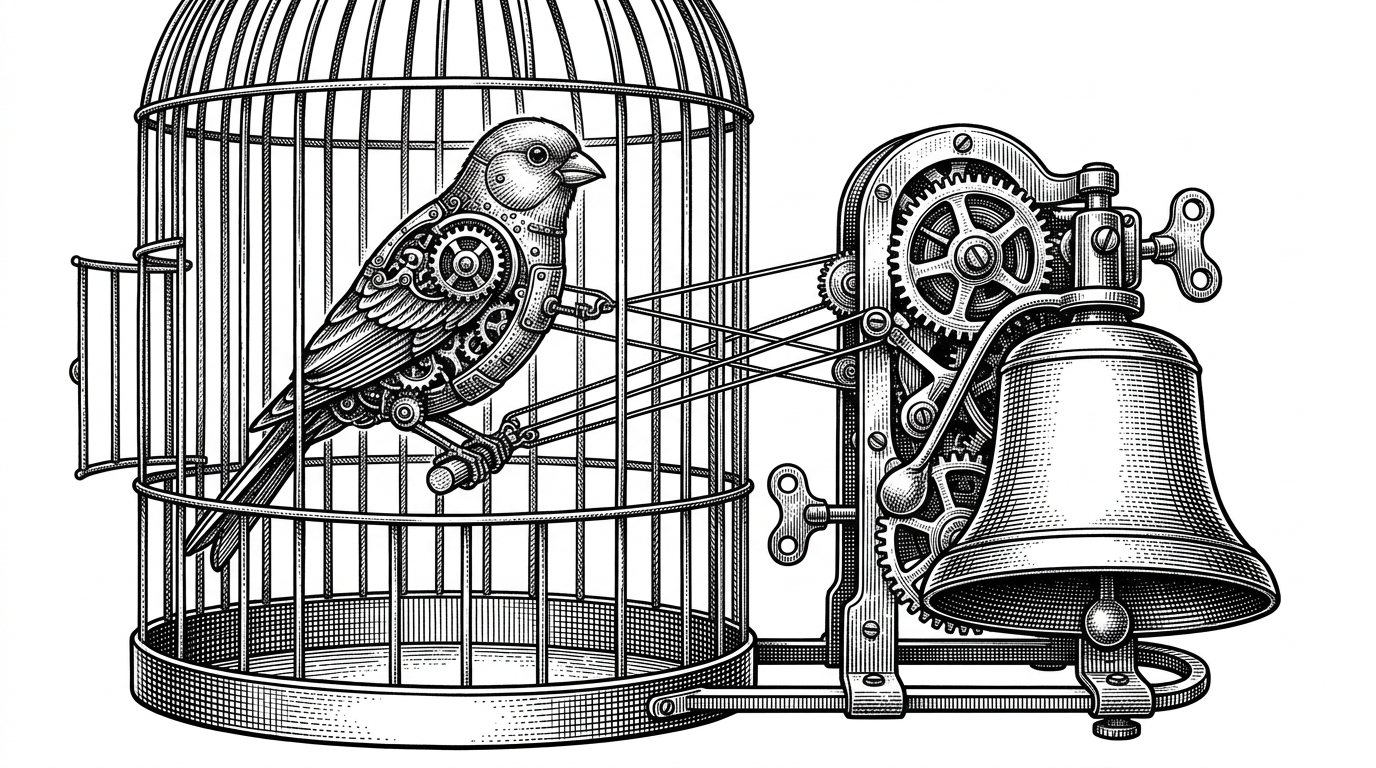
- github-account-scanner-detection-sample is a purely synthetic repository designed to validate external security monitoring tools without risking production data.
- By utilizing standard files like sample-config.json and CHANGELOG.md, the repository triggers specific GitHub webhook events to test downstream parsing logic.
- The project highlights a growing trend in DevOps where live, sacrificial infrastructure is preferred over local mocked data for testing observability pipelines.
The Repository That Does Nothing
In an ecosystem obsessed with lines of code, this repository has zero. It contains no executable logic, no build scripts, and no dependencies. Instead, it is a purely synthetic test target. Sunwood AI Labs designed this repository as a decoy to be watched by machines.
Its true purpose is to serve as a passive test suite. It is a canary meant to trigger an external monitoring tool called github-account-scanner. When a developer pushes a trivial update to this repository, it acts as the controlled variable in an automated security pipeline, proving that downstream alert systems are functioning flawlessly.
Designing the Perfect Decoy
To trigger a useful GitHub webhook without unnecessary noise, a decoy needs a specific anatomy. The repository relies on a bare minimum file structure. A sample-config.json file acts as the payload identifier, providing a version string that a scanner can parse to verify it is reading the correct repository.
Meanwhile, the CHANGELOG.md uses Semantic Versioning to test the scanner's text-extraction logic. By updating these static files, the developers can test if their scanner correctly identifies file-level changes versus release-level changes, and whether it can accurately extract "What's New" text for downstream notifications.
The Rise of the Account Scanners
This repository exists because the open-source security landscape is shifting. With the recent influx of autonomous AI agents compromising repositories, organizations need to detect newly created or modified repositories automatically. Tools like agentscan and GitHub-spoof-detector have emerged to analyze public GitHub events and classify accounts based on automated behaviors.
To build these automated watchmen, security teams must build artificial infrastructure to test them. You cannot reliably test a spoof detector or an AI-scanner without feeding it a known, controlled input. This repository provides that exact signal.
The CI/CD of Observability
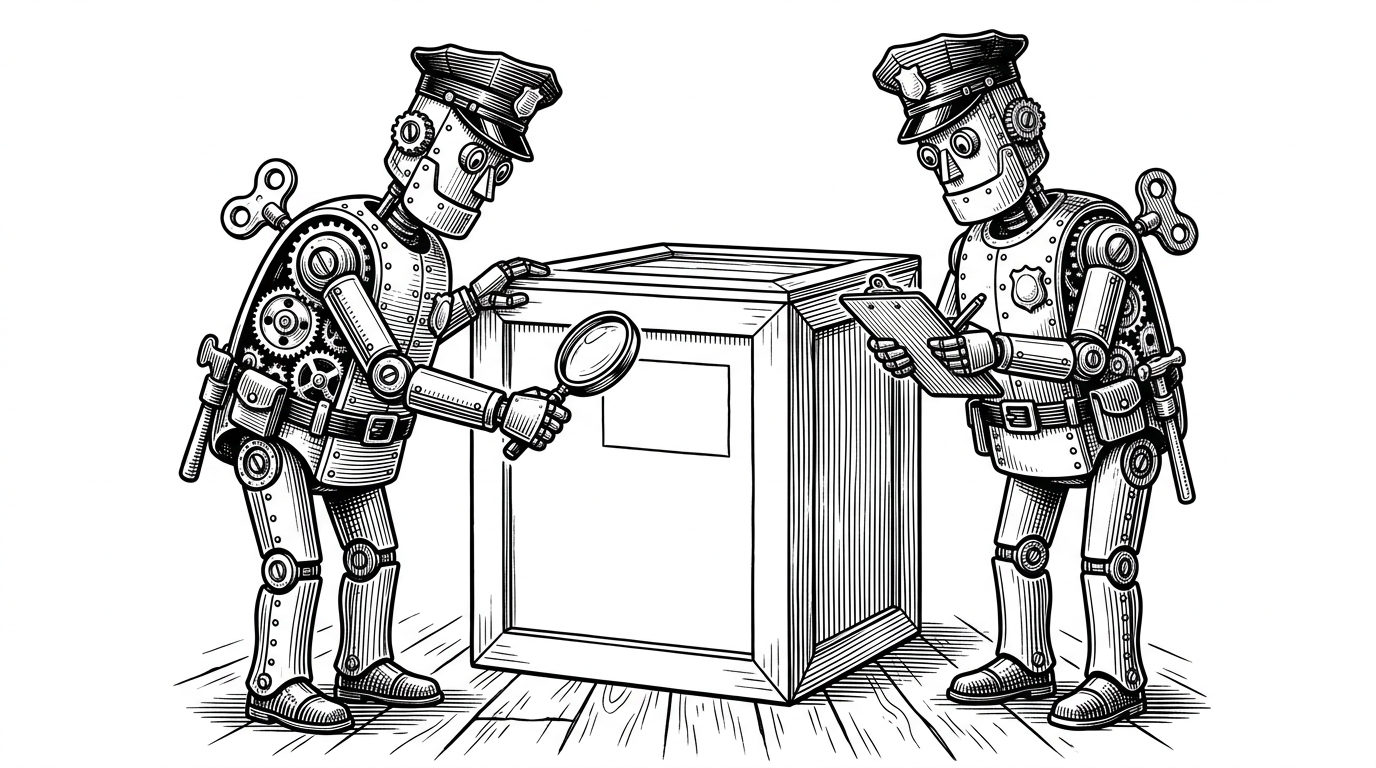
To verify that a Discord security alert works, you cannot simply spam a production repository. Local unit tests with mocked API responses fail to capture the reality of network latency and platform rate limits. The sacrificial repository solves the repeatable end-to-end test problem for observability tools.
| Testing Approach | Environment | Network | Validation | Risk Profile |
|---|---|---|---|---|
| Traditional Unit Testing | Local Assertions | Mocked API Responses | Checks internal state | Zero external noise |
| Live Canary Testing | Live GitHub Infrastructure | Real Webhook Latency | Verifies third-party payload delivery | Susceptible to platform rate limits |
By deploying a live decoy, developers ensure their alerting pipelines survive contact with reality. It is a testament to how complex our monitoring systems have become, requiring their own dedicated, sacrificial infrastructure just to prove they are awake.