WeakAuras2: The IDE Hidden Inside World of Warcraft
How WeakAuras compiles 42 megabytes of Lua into a high-performance, sandboxed runtime that executes community code 60 times a second.

I'd say we went through all stages of grief pretty quickly. It was pretty clear around the time we received the PDF with more details from Blizzard's developer team and 99% clear after we did some tests after the alpha servers went up.
- WeakAuras functions as a high-performance integrated development environment nested within the World of Warcraft game client.
- The framework generates and compiles Lua strings at runtime to shift computational costs away from the active render loop.
- A strict execution sandbox protects the host application by nullifying sensitive APIs while providing safe helper functions for user scripts.
- The event-driven registry optimizes performance by conditionally loading code only when specific game states are triggered.
The 60-FPS Sandbox
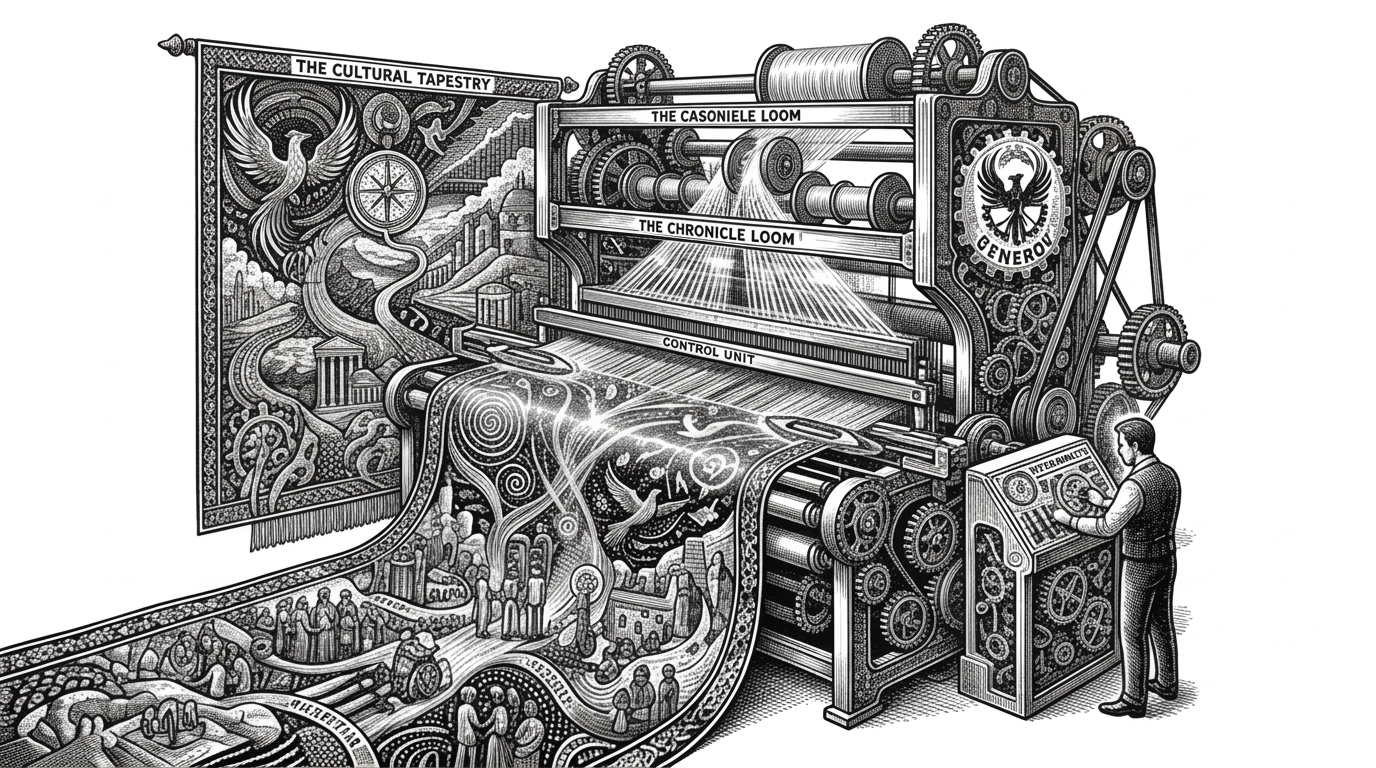
Most game modifications provide a fixed utility. WeakAuras provides a blank canvas. It is a highly modular meta-addon built for World of Warcraft that operates essentially as an integrated development environment inside a 20-year-old video game. The architecture is split into two halves: a massive configuration UI and a lightweight runtime engine.
The core engineering challenge is performance. The framework must process hundreds of combat events per second, evaluate complex user-defined logic, and render visual indicators without dropping the player's frame rate. To achieve this, the maintainers built an event-driven registry that conditionally loads code only when specific game states are met.
Compiling Strings at Runtime
To avoid expensive table lookups during gameplay, WeakAuras heavily favors generating Lua code as raw text strings and compiling them at load time. This shifts the computational cost from the render loop to the initial load phase.
Inside files like GenericTrigger.lua and BuffTrigger2.lua, the addon dynamically builds Lua strings based on the user's visual configuration. These strings are then passed to loadstring, turning them into executable functions. This pattern allows the addon to evaluate complex logic blocks instantly when a high-frequency event like a combat log update occurs.
-- Conceptual representation of WeakAuras string generation
local function GenerateTriggerLogic(userConfig)
    local codeString = "return function(state) "
    if userConfig.checkAura then
        codeString = codeString .. "if not AuraExists() then return false end "
    end
    codeString = codeString .. "return true end"

    -- Compile the generated string into an executable function
    return loadstring(codeString)()
end
Sandboxing the Unpredictable
Allowing users to execute arbitrary code inside a game client is inherently dangerous. A malicious or poorly written script could crash the UI, delete items, or automate restricted actions. To prevent this, the architecture relies on a strict execution sandbox defined in AuraEnvironment.lua.
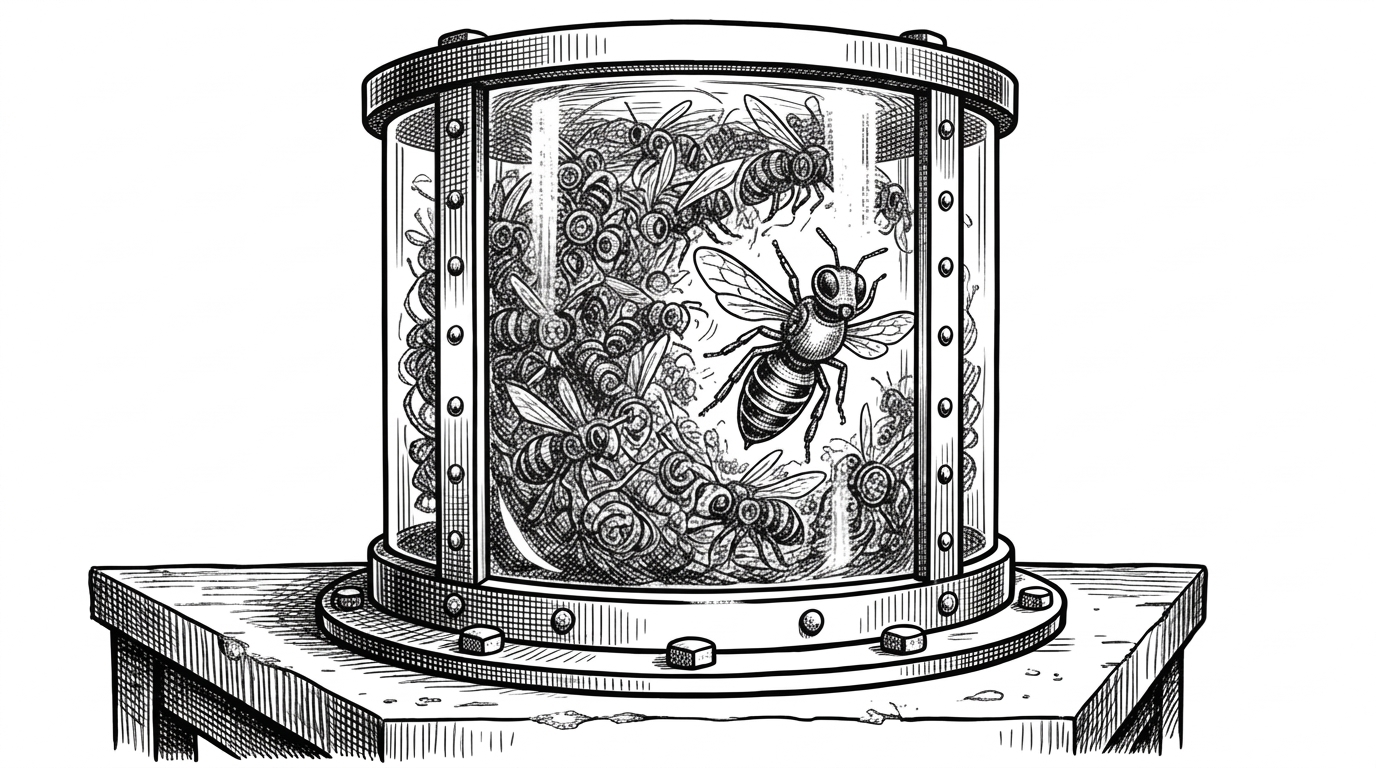
The sandbox explicitly nullifies access to sensitive APIs (like sending mail or disbanding guilds) within the scope of the custom script. At the same time, it injects safe helper functions prefixed with WA_ to simplify common tasks. This creates a secure boundary where community scripts can run wildly without compromising the host application.
The Framework vs. The Grid
The ecosystem surrounding WeakAuras is massive. Players share encoded strings representing complex logic, creating a sprawling secondary market of UI components on sites like Wago.io. This approach contrasts sharply with other popular tools in the space.
| Feature | WeakAuras | TellMeWhen |
|---|---|---|
| Paradigm | Blank canvas framework | Rigid grid layout |
| Logic Execution | Dynamic string compilation | Static dropdown menus |
| Custom Triggers | Full Lua sandbox access | Pre-defined API events only |
| State Management | Centralized state machine | Slot-based toggles |
While TellMeWhen offers a simpler, menu-driven configuration for basic tracking, WeakAuras provides a true development environment. The ability to write custom combat log event handlers means users can track virtually anything in the game's memory.
When the Host Fights Back
Building a powerful extension on top of a closed-source platform always carries risk. The relationship between the host application and the addon is delicate. When the platform owner decides to restrict API access, the architecture must adapt or die.
Recent changes to the game's combat data accessibility forced the maintainers to make difficult decisions about the future of the project for upcoming expansions.
Despite these challenges, the core architecture of WeakAuras remains an incredible feat of software engineering. It proves that with enough clever abstraction and rigorous sandboxing, a highly performant distributed runtime can thrive inside the unlikeliest of host environments.
Sources: