a5c-ai/generate-token-action and the Art of the Paranoiac CI Pipeline
Why a specialized authentication tool abandoned the npm ecosystem to build a zero-dependency fortress in pure Node.js.

- The action abandons standard npm dependencies in favor of a 150-line pure Node.js script to eliminate supply chain vulnerabilities.
- Hardcoded bash guardrails prevent developers from accidentally bypassing TLS verification against production endpoints.
- A vestigial block of regex patterns aggressively scrubs logs for AWS keys and Discord tokens before GitHub's native masking takes over.
- Trading maintainability for absolute control results in a highly secure but inflexible authentication bridge for the a5c platform.
The node_modules Threat Vector
In the modern CI/CD ecosystem, developers casually install massive dependency trees for trivial tasks. This convenience introduces a significant threat vector. Third-party dependencies in authentication workflows can be hijacked via dependency confusion or malicious updates. The creators of the a5c GitHub App token generator recognized this vulnerability and chose a radical path.
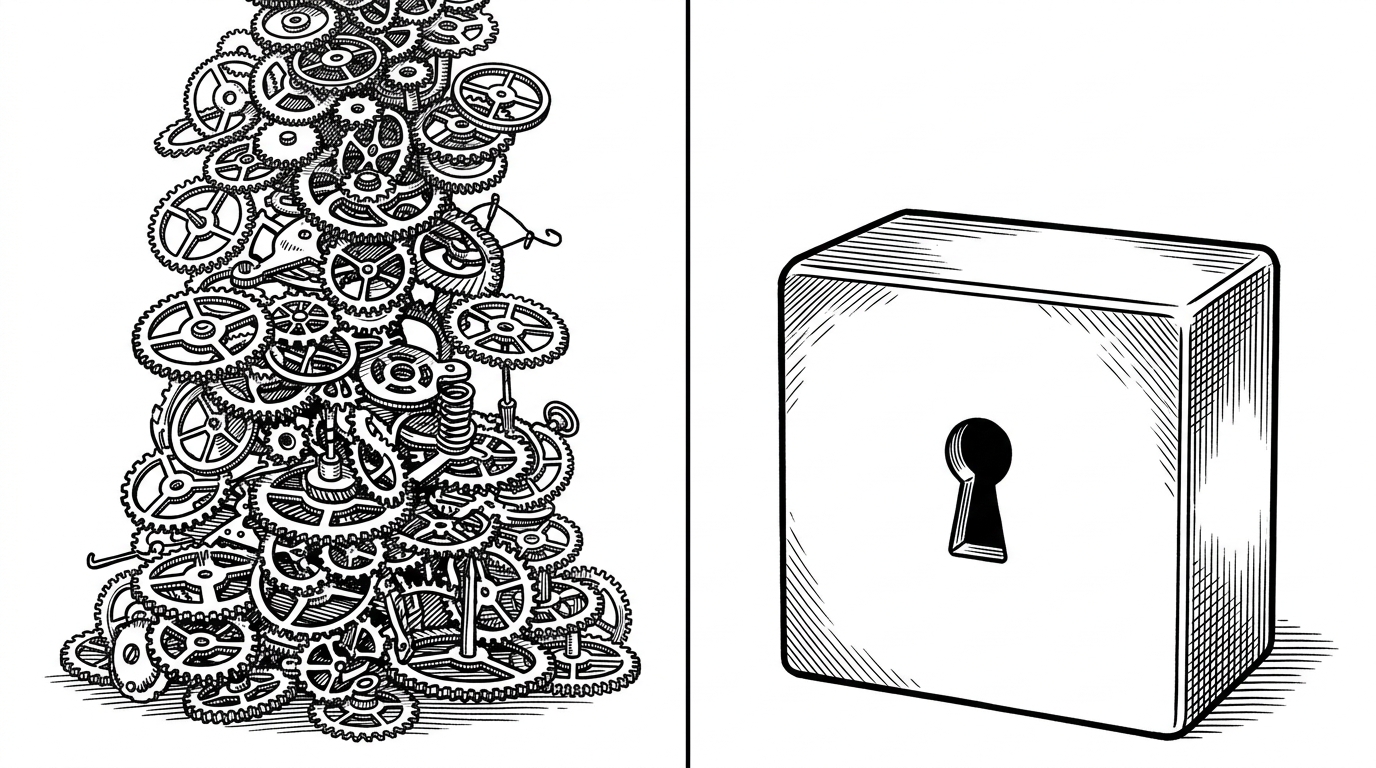
Instead of relying on standard libraries like Axios or the official GitHub Actions core toolkit, they built a zero-dependency fortress. They implemented a custom HTTP client and a manual argument parser in 150 lines of pure, native Node.js. This zero-dependency approach is not an optimization. It is a strict security requirement designed to eliminate the supply-chain attack surface entirely.
Hardcoding the Guardrails
The paranoia extends beyond the lack of dependencies. The codebase is heavily armored with hardcoded defense mechanisms. The most obvious is a bash-level check in the composite action manifest that acts as a kill switch.
if [ "$host" = "app.a5c.ai" ]; then
  echo "Refusing to run in insecure mode against production host..."
  exit 3
fi
This snippet crashes the action if a user attempts to bypass TLS using an insecure flag against the production domain. It protects developers from their own shortcuts. Beneath this layer, the Node.js script contains a massive block of regex patterns. These patterns are designed to scrub AWS keys, GitLab tokens, and Discord tokens from the output before they ever reach GitHub's native masking system. It is an aggressive, defense-in-depth approach to log sanitization.

The Identity Exchange
Beneath the armor, the core mechanism is a straightforward token exchange. The script trades a standard GitHub repository token for a highly-privileged, short-lived a5c App token. This bridges the gap between a standalone workflow and the external a5c platform.
The Cost of Absolute Control
This hyper-specialized approach contrasts sharply with the official GitHub App token action. The official tool is robust and flexible, but it relies on a heavy tree of Octokit dependencies. The a5c implementation trades that convenience for absolute control.
| Feature | a5c-ai/generate-token-action | actions/create-github-app-token |
|---|---|---|
| Dependencies | Zero (Native Node.js) | Heavy (@octokit ecosystem) |
| Guardrails | Hardcoded production checks | Agnostic and flexible |
| Secret Masking | Custom Regex + GitHub Native | GitHub Native only |
| Maintenance | High manual parsing burden | Community supported |
Maintaining a custom argument parser and HTTP wrapper requires effort. However, for a security-first utility acting as the gateway to a proprietary platform, that maintenance burden is the price of peace of mind.