Everything Claude Code and the Rise of the Agentic Middleware
As AI agents move from chat boxes to terminal roots, a new architecture is emerging to govern their instincts, skills, and security.
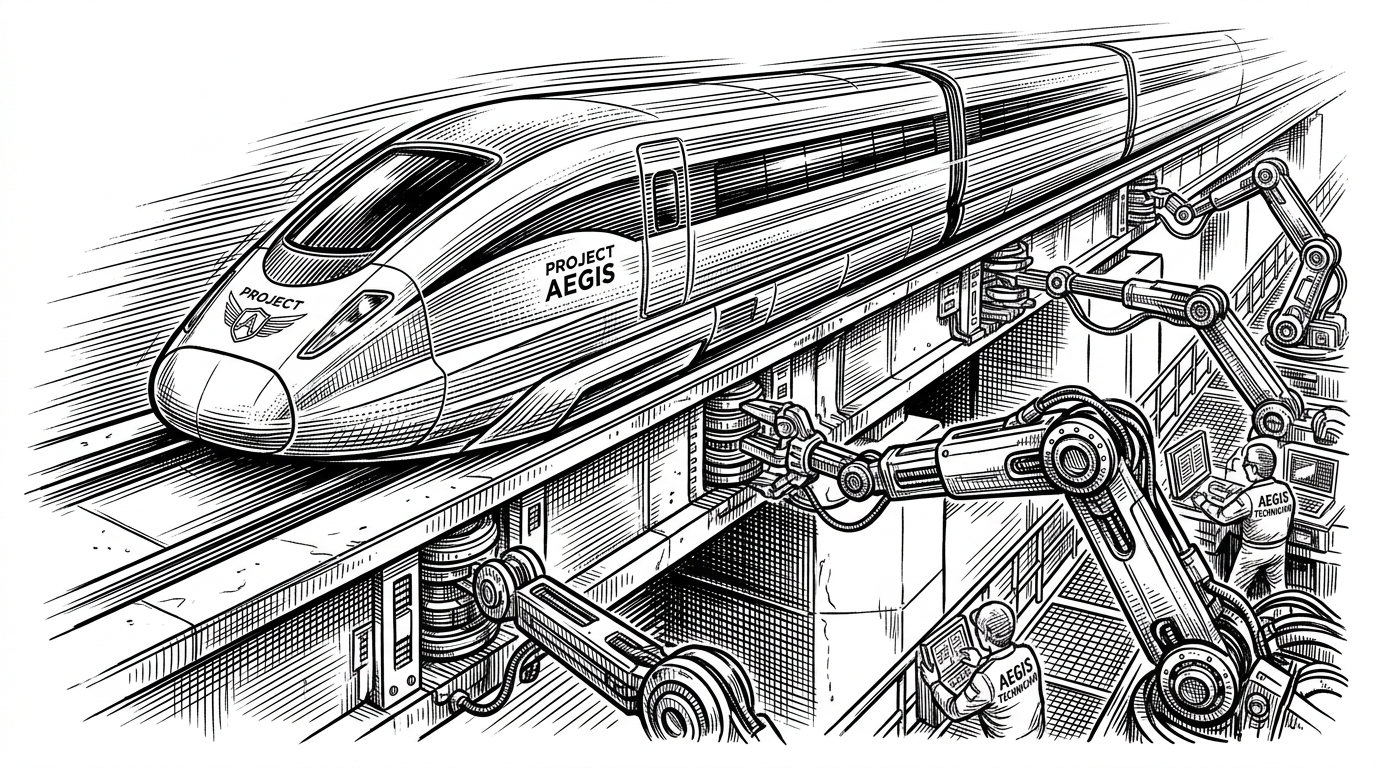

"Built by Affaan Mustafa over 10+ months of daily use, ECC has evolved from a personal config pack into what its maintainer now calls an “agent harness performance optimization system” spanning Claude Code, OpenAI Codex, Cursor, and OpenCode."
- Everything Claude Code functions as a runtime firewall that intercepts and wraps terminal commands in tmux sessions to prevent state loss.
- The framework replaces generic system prompts with YAML-defined instincts that ground agent behavior in a repository's historical context.
- A universal adapter layer normalizes event hooks to enforce consistent security policies across different AI development environments.
- The system uses a tree-shaking approach to load only the specific skills required for a task to conserve context window tokens.
Giving an AI agent direct access to your terminal is a profound act of trust. When a model can autonomously execute shell commands, the boundary between a helpful suggestion and a catastrophic rm -rf command becomes terrifyingly thin. For early adopters of terminal-native AI tools, this trust was often broken by agents hallucinating dependencies, pushing unverified code, or trapping themselves in endless loops.
The solution is not a better prompt. The solution is middleware. Everything Claude Code (ECC) represents a new category of software designed specifically for the agentic era. It operates as an orchestration layer that sits between the raw language model and the host operating system, translating human intent into safe, verifiable, and persistent agent behaviors.
The Behavioral Firewall
The most pressing issue with terminal agents is state loss. If an agent starts a development server, that server process takes over the terminal output. The agent loses access to its own prompt, effectively blinding itself to the logs it needs to debug the application. ECC intercepts this failure mode before it happens.
Through its before-shell-execution.js hooks, ECC acts as a runtime firewall. When an agent attempts to run a command like npm run dev, the framework intercepts the request, parses the intent, and forcefully wraps the command in a tmux session. This ensures the agent can always detach, read the logs, and maintain persistent state.
This proactive defense mechanism prevents the AI from making novice mistakes. By treating the agent's output as untrusted input, the middleware layer enforces strict operational boundaries without constraining the model's creative problem-solving capabilities.
Programming the Homunculus
Standard system prompts are blunt instruments. They bloat the context window with generic instructions that the model often forgets or ignores. ECC takes a radically different approach with its .claude/homunculus/ directory, introducing a concept known as "Instincts."
Instincts are YAML-defined behavioral rules that follow a precise Trigger-Action-Evidence pattern. Instead of telling the AI to "write good code," an instinct defines a specific trigger ("modifying a React component") and an action ("ensure all state transitions are pure"). Crucially, it provides evidence ("Mainline history consistently uses these patterns"), grounding the AI's behavior in the repository's actual historical context.
"The core philosophy of the project: Claude Code isn't just a chat tool; it's a deeply customizable AI Agent orchestration platform."
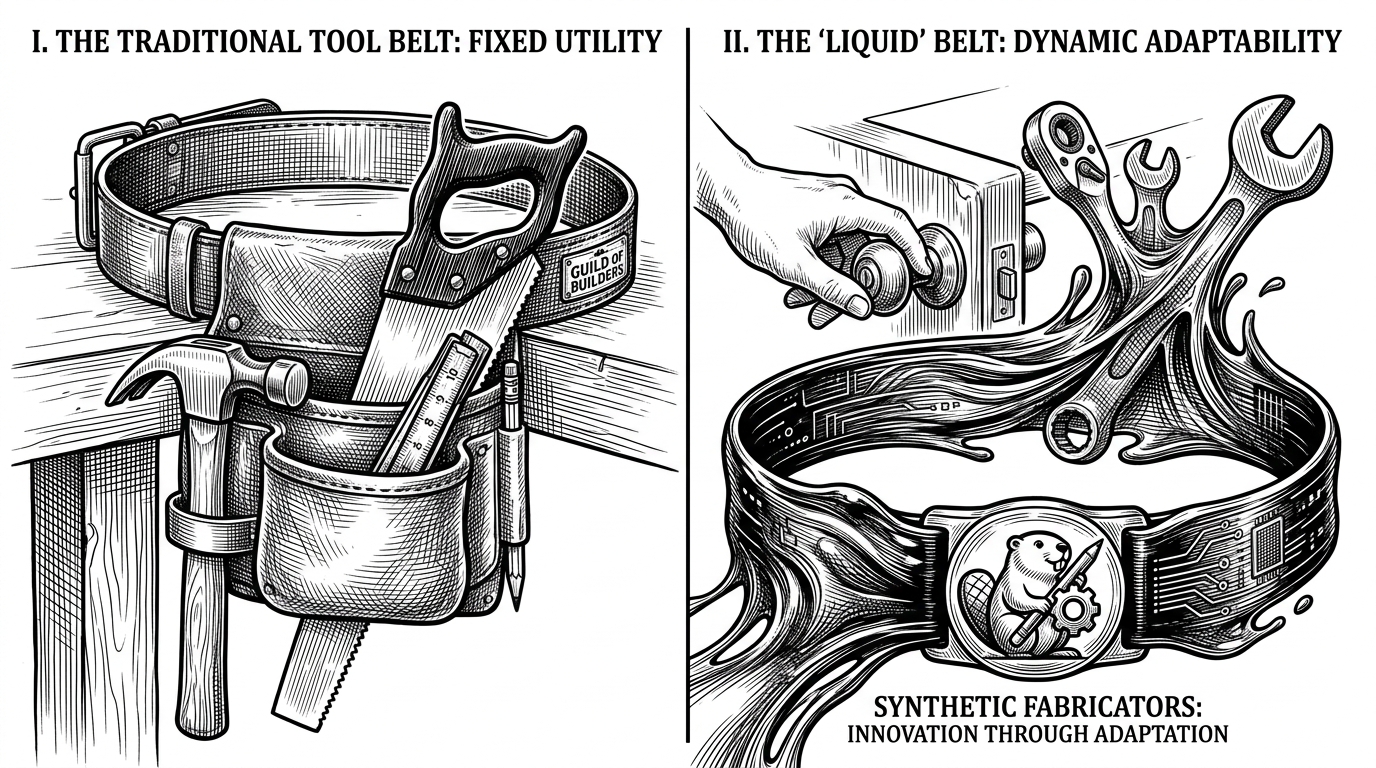
This approach allows the agent to maintain a persistent identity across sessions. By storing these instincts in an SQLite database, the system creates a form of long-term memory. The AI stops acting like an amnesic assistant and begins operating like a context-aware senior engineer.
The Universal Adapter
The ecosystem of AI coding tools is highly fragmented. A security rule written for Anthropic's Claude Code does not natively work in OpenAI's Codex or Cursor. ECC bridges this gap with adapter.js, a translation layer that normalizes event hooks across different development environments.
This shim translates internal hook events (such as JSON via stdin from Cursor) into a unified format. It creates a "Write Once, Run Anywhere" paradigm for developer guardrails. A team can define their AI compliance policies once, and ECC ensures those policies are enforced regardless of which agentic IDE the developer chooses to use.
From Hackathon to Standard Library
The project originated from a configuration setup created by Affaan Mustafa to win an AI hackathon. It rapidly evolved from a collection of personal configuration files into a massive open-source ecosystem, driven by the acute pain points of developers trying to manage autonomous agents in production.
The repository now functions as a central registry for AI capabilities. It aggregates shared skills, Model Context Protocol (MCP) servers, and custom commands into a single, version-controlled repository. This centralization is critical for teams looking to standardize their AI workflows.
The Terminal-Native Manifesto
The rise of ECC signals a broader shift away from monolithic Integrated Development Environments. Power users are migrating toward a "Terminal-Native" approach, preferring lightweight, high-speed command-line interfaces governed by sophisticated agentic middleware.
| Feature | Traditional IDE Integration | Agentic Middleware (ECC) |
|---|---|---|
| Configuration | Static, global settings menus. | Dynamic, context-aware "Instincts". |
| Security | Post-execution linting and scanning. | Pre-execution interception and blocking. |
| Context Management | Manual file selection or open tabs. | Tree-shaken, automated skill loading. |
| Portability | Locked to a specific vendor ecosystem. | Universal adapter across multiple IDEs. |
We are entering an era where the AI is no longer just a code generator; it is a first-class team member with defined roles, tools, and operational procedures. Everything Claude Code provides the necessary infrastructure to manage these new digital colleagues safely and effectively. It is the operating system for the autonomous developer.