Agent Zero and the End of the Pre-Built Tool
How a terminal-first architecture turns a raw LLM into a self-evolving OS architect that writes its own capabilities.
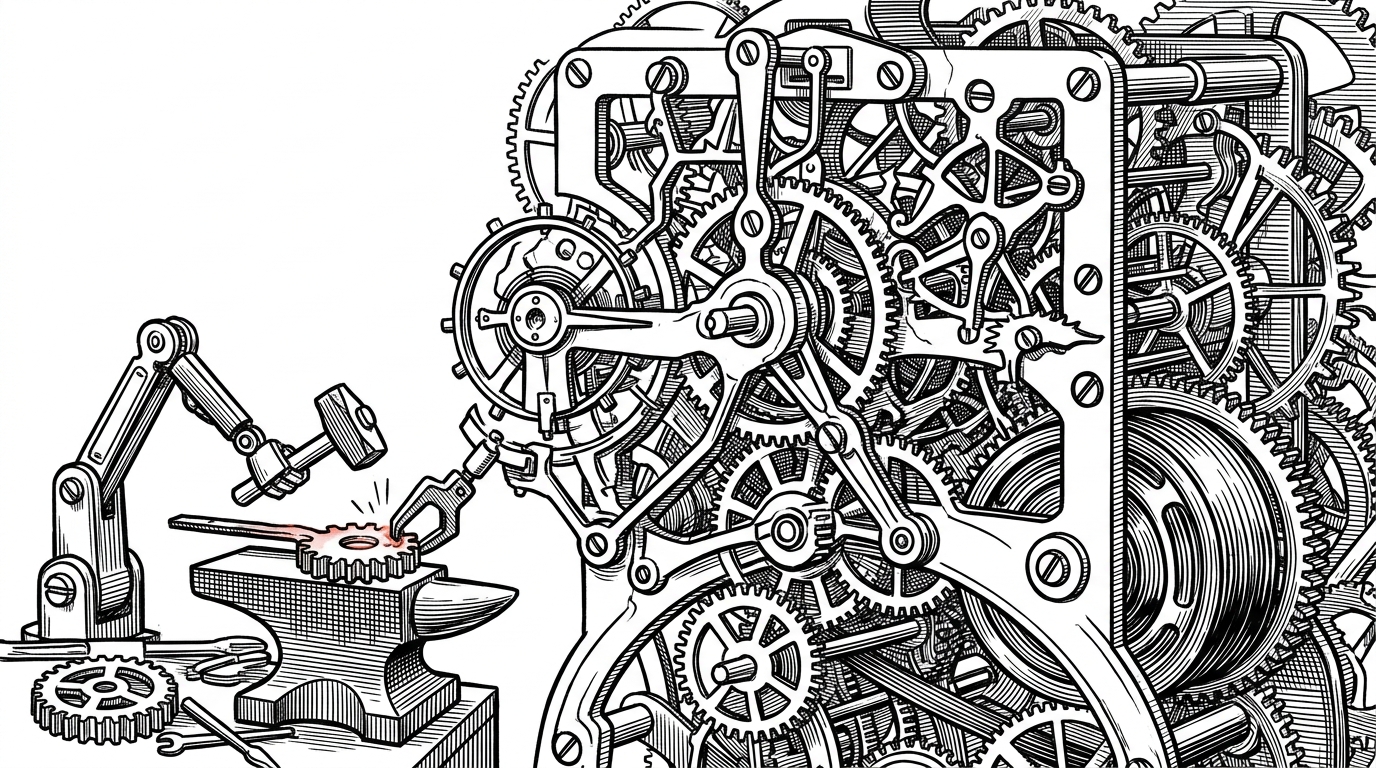
- Agent Zero replaces pre-programmed plugins with a terminal-first architecture that synthesizes new tools in real time.
- A recursive hierarchy allows the system to spawn specialized subordinate agents to prevent context window saturation during complex tasks.
- The framework archives successful scripts into a persistent skills directory to evolve its capabilities over time.
- Docker isolation and local model support prioritize security and user sovereignty within an autonomous execution environment.
The Terminal is the Only Tool You Need
Most AI agent frameworks treat external capabilities like a rigid library of plugins. If you want an agent to search the web, you install a search tool. If you want it to query a database, you hand-code a SQL connector. Agent Zero rejects this paradigm entirely. Instead of a library of 500 pre-programmed integrations, it is given a bash prompt and told to figure it out.
By treating the entire Linux terminal as its laboratory, Agent Zero bridges the gap between abstract reasoning and system-level execution. It uses Python to synthesize the tools it needs in real time. If it lacks a specific capability, it writes a script to build it, executes the script, and reads the standard output.
A key feature of Agent Zero is that it treats the OS itself as a tool.
Fractals of Thought: The Recursive Hierarchy
Long-running autonomous tasks inevitably suffer from context window saturation. The agent forgets its original goal as its memory fills with the minutiae of debugging a single Python error. Agent Zero solves this through a recursive "Superior-Subordinate" hierarchy.
There is no rigid Directed Acyclic Graph (DAG) here. Instead, Agent 0 acts as a generalist manager. When faced with a complex prompt, it cracks the problem open and spawns subordinate agents—each with its own specialized persona and fresh context window. The subordinate writes the code, hits the errors, and distills the final working solution to hand back up the chain.
With over 12,000 stars on GitHub and a growing community of contributors, this isn't just another AI tool—it's a complete paradigm shift in how we think about autonomous agents.
The Sandbox: Engineering Total Autonomy
Giving an AI unrestricted access to a terminal is inherently dangerous. Agent Zero isolates this execution environment using a robust Docker architecture. The agent's "brain" communicates with its "hands" via WebSockets, maintaining a strict security perimeter.
Inside the container, supervisord manages multiple processes, ensuring that if an agent writes a script that crashes the search utility or hangs the environment, the system can gracefully recover. This sandbox is what allows developers to confidently let the agent run pip install or manipulate file systems without risking the host machine.
From Script to Skill: How the Agent Evolves
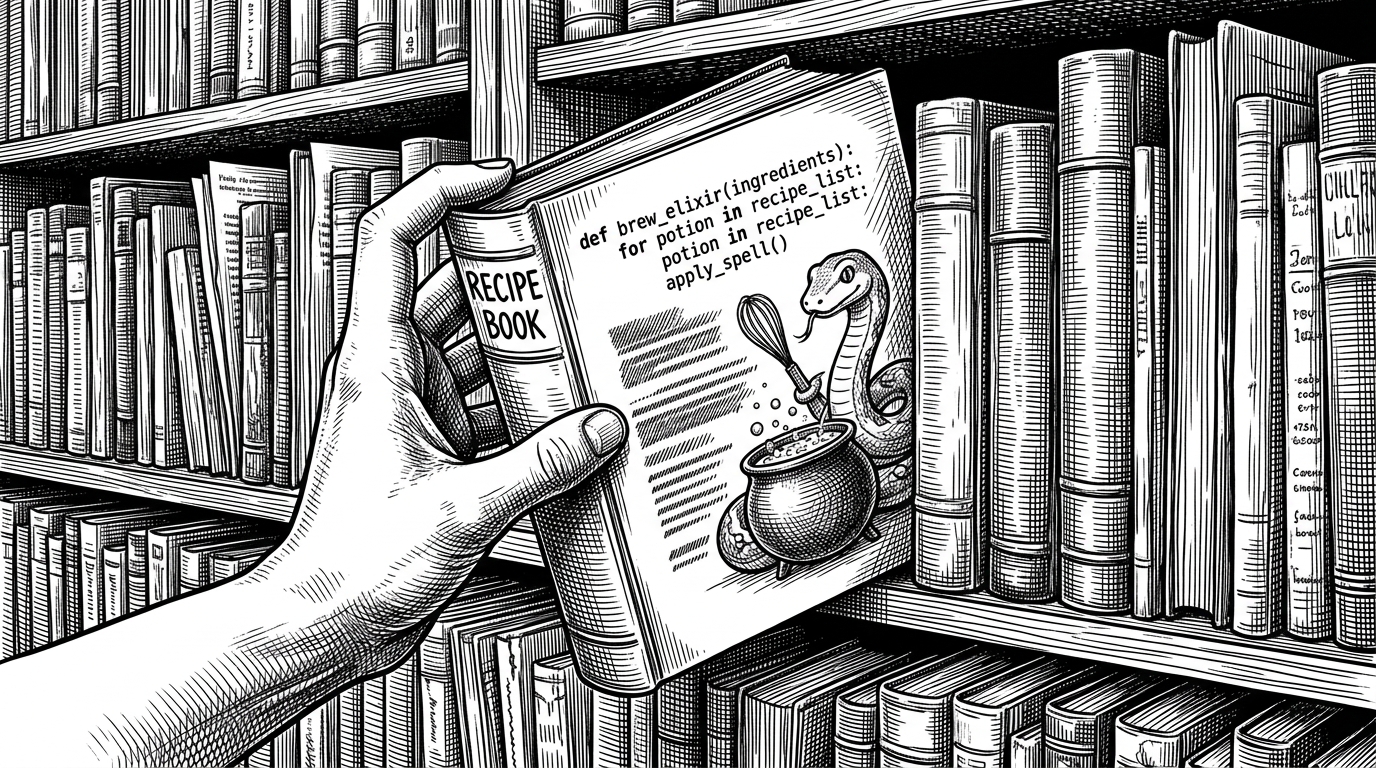
The true power of an organic framework is persistent memory. When Agent Zero successfully writes a script to solve a novel problem, that knowledge isn't discarded when the session ends. It crystallizes the solution into a portable SKILL.md file.
This skills directory acts as an ever-growing repository of capabilities. Over time, the agent transitions from writing one-off disposable scripts to calling upon its own library of battle-tested code. It learns.
| Feature | Traditional Frameworks (e.g., LangChain) | Agent Zero |
|---|---|---|
| Tool Discovery | Pre-defined, hand-coded API wrappers | Synthesized dynamically via OS terminal |
| Memory | Volatile short-term context | Persistent code archiving (SKILL.md) |
| Hierarchy | Fixed Directed Acyclic Graphs (DAGs) | Recursive, infinite subordinate spawning |
| Environment | API bound | OS-native (Docker sandboxed) |
The Local-First Manifesto
Agent Zero's architecture heavily prioritizes user sovereignty. Through its models.py abstraction layer, it seamlessly supports local models via Ollama. It even bundles its own instance of SearXNG within the Docker container to ensure internet searches remain private.
This isn't merely a technical choice; it's an ideological one. By making the prompts, the tools, and the memory completely transparent and editable via simple Markdown files, the framework ensures the user retains total control over their digital collaborator.
It’s built from the ground up to be transparent, readable, and, crucially, customizable.