CAI: The Zero-Refusal Actuator for Autonomous Offensive Security
How Alias Robotics turned the preachy LLM into a high-precision terminal controller for the next generation of red-teaming.
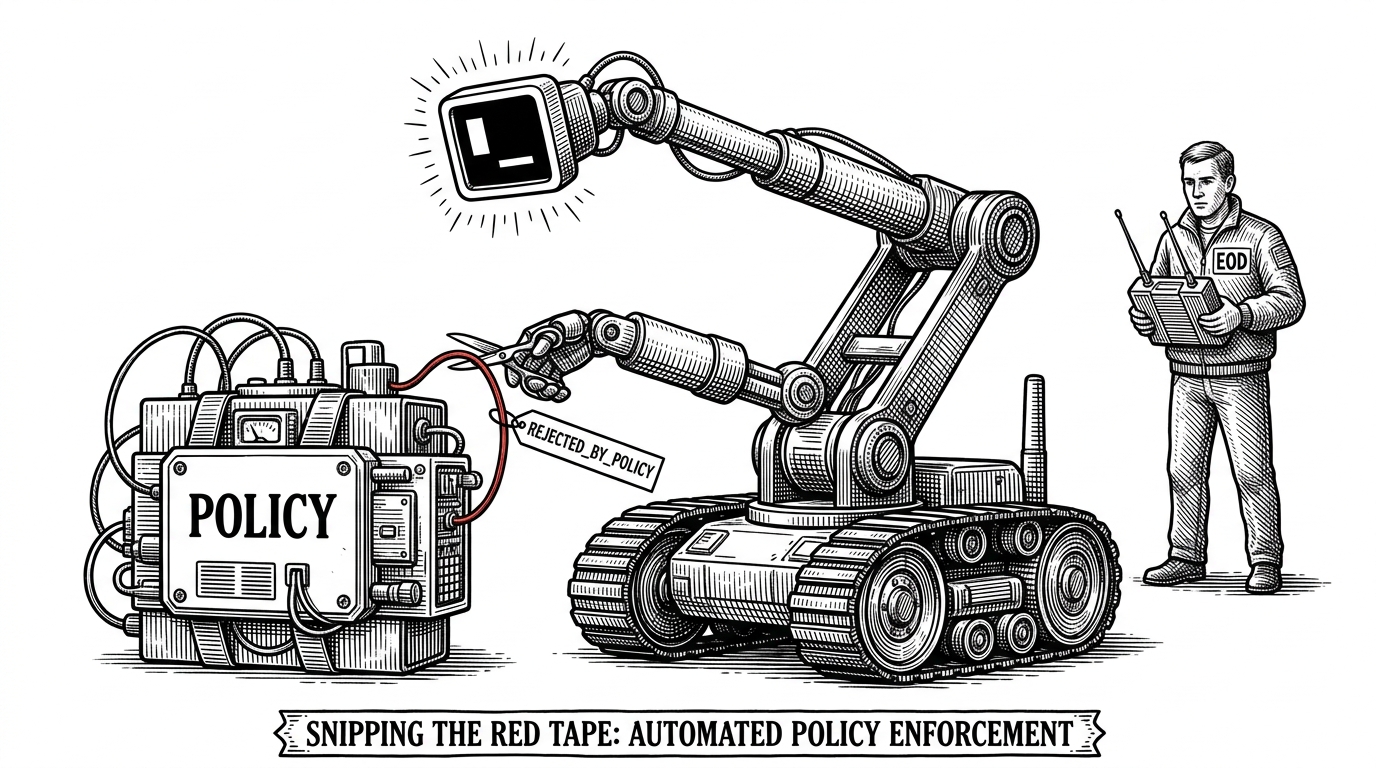
- CAI bypasses standard LLM safety refusals by treating the model as a high-precision robotic actuator for terminal commands.
- The framework uses an Agent-as-Tool pattern to execute complex exploit chains through recursive specialized agents.
- Deterministic guardrails act as physical tripwires to intercept and programmatically block destructive commands.
- Integration with the Model Context Protocol allows the system to bridge the gap between non-deterministic reasoning and security binaries.
Beyond the Moralizing Chatbot
Every security engineer who has tried to automate penetration testing with a standard Large Language Model knows the frustration. You ask for a payload to test a vulnerability, and the model responds with a lecture on ethics. The industry has spent years optimizing models for safety, neutering their ability to understand or execute offensive code. This creates a massive friction point for legitimate red-teaming.
Alias Robotics recognized that a generalist AI should not be making moral judgments during a contracted security audit. They built CAI to act as the Kali Linux of the agent era. It is a framework designed to treat the LLM not as a chatbot, but as a specialized controller for a terminal.
Cybersecurity AI (CAI) is a lightweight, open-source framework that empowers security professionals to build and deploy AI-powered offensive and defensive automation.
The Robotics of Hacking: The 8 Pillars
If you look under the hood of CAI, it does not look like a standard LangChain wrapper. It looks like a robotics framework. The architecture is built on eight distinct pillars: Agents, Tools, Handoffs, Patterns, Turns, Tracing, Guardrails, and Human-In-The-Loop (HITL) execution.
This philosophical shift is crucial. In robotics, an actuator executes a command based on sensor data. In CAI, the network interface is the sensor, and the exploit sequence is the actuator. The framework provides the deterministic tracks that keep the non-deterministic LLM from derailing.
Recursive Intelligence: The Agent-as-Tool Pattern
The most compelling architectural unlock in CAI is how it handles complexity. Rather than building one massive prompt to handle reconnaissance, exploitation, and privilege escalation, CAI uses an Agent-as-Tool pattern.
A generalist planning agent can call a specialized SQL-injection agent exactly as if it were calling a simple Python function. This recursive intelligence simplifies orchestration and limits the context window bloat that plagues other frameworks.
agents:
  - name: red_team_lead
    model: alias1
    tools: [nmap_scanner, sql_injection_expert]
    unified_context: true
  - name: sql_injection_expert
    model: alias1
    tools: [sqlmap_mcp]
unified_context: falseGuardrails for the Unrestricted
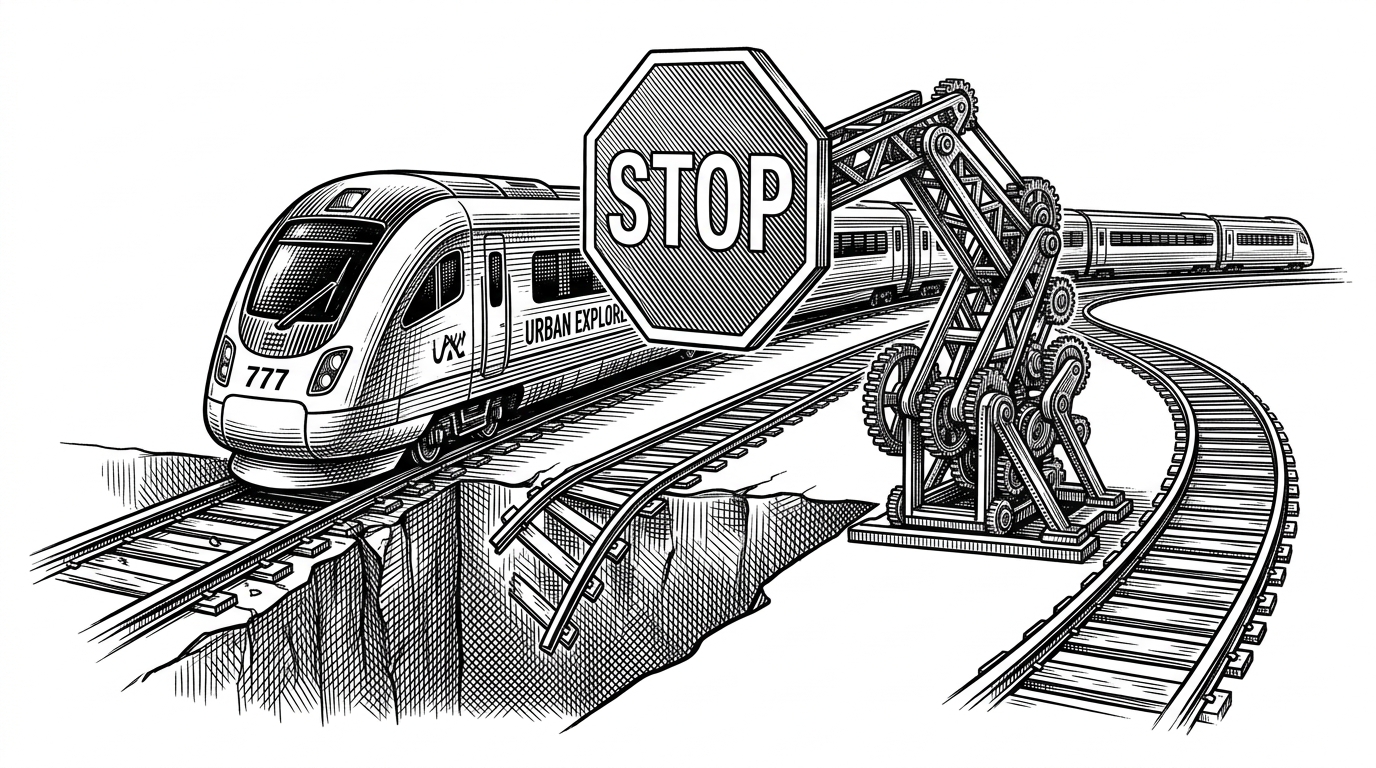
Running a zero-refusal model autonomously is inherently dangerous. If an agent hallucinates a destructive command, it could wipe out a production database instead of just testing it. To solve this, CAI implements Guardrails as physical tripwires.
These tripwires run in parallel to the agent's reasoning loop. They intercept inputs and outputs, raising specific Python exceptions if a policy is violated. This allows the system to handle security violations programmatically rather than relying on prompt engineering.
| Feature | Standard LLM Agent | CAI Framework |
|---|---|---|
| Model Refusal | High (Safety filters block exploits) | Zero (alias1 model allows all) |
| Tooling | General Python wrappers | MCP integration for security binaries |
| Safety | System prompt instructions | Execution Tripwires (Input/Output) |
| Environment | Sandboxed Docker | Local or Containerized with network access |
Benchmarking the Breach
To prove that this specialized approach works, Alias Robotics does not rely on standard language benchmarks. CAI includes highly specific evaluation datasets like cti_bench and CyberPII.
By measuring an AI's ability to handle exploit code and sensitive data as a quantifiable engineering metric, they are laying the groundwork for verifiable autonomous security operations.
CAI PRO and alias1 together constitute a cybersecurity superintelligence: a modular, agentic platform (CAI PRO) that orchestrates AI agents for cybersecurity duties powered by our LLM (alias1).