Exploitarium: The Repo That Turns Exploit Research Into an Assembly Line
A curated archive of PoCs, harnesses, and validation artifacts that makes exploit development look less like wizardry and more like a repeatable workflow.
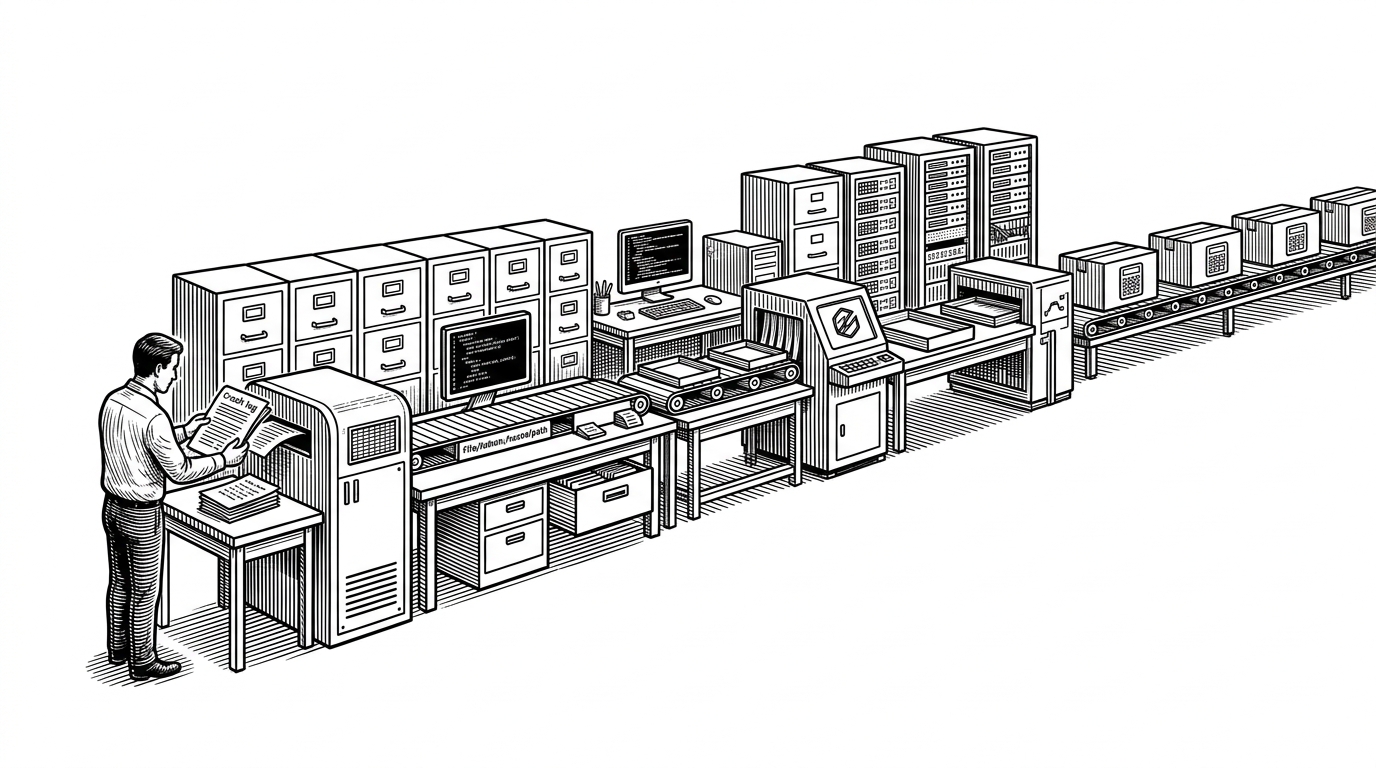
- Exploitarium is most interesting not as a pile of PoCs, but as a workflow that packages crash discovery, harnessing, validation, and proof of control into a repeatable pipeline.
- Its real novelty is the industrialization of exploit toil, where AI-assisted scaffolding reduces repetitive setup and leaves the human focused on the dangerous, high-leverage decisions.
- The repository’s examples matter because they show different exploitation styles, from heap grooming to partial overwrite precision to multi-stage harnessed execution.
- Taken together, the repo feels like a museum of exploit craft and a preview of how vulnerability research scales when repetition becomes the product.
The first surprise is not that Exploitarium contains working PoCs. It is that the repo behaves like a system for producing them. Every folder reads like a small production line: target setup, harness, validation artifacts, and a visible proof of control at the end.
That is why the repository stands out. It does not present exploit development as a lone act of cleverness. It presents it as a process, with AI doing more of the repetitive scaffolding and the researcher handling the parts that still demand judgment, patience, and precision.
The exploit repo that behaves like a factory
At a glance, Exploitarium looks like a gallery of vulnerabilities. Underneath, it is closer to a lab notebook with assembly-line habits. The structure matters: each project is isolated, documented, and backed by evidence that the exploit path actually works.
That repeatability is the point. Instead of a single script that only makes sense to its author, the repository packages the surrounding machinery too. Build steps, harnesses, test servers, and output checks make the PoC feel reproducible rather than theatrical.
bikini/exploitarium: A single archive of public exploit PoCs and vulnerability research writeups. At the time I post these, none have been reported. Feel free to report them yourself and take credit for the CVE if handed out lulz https://t.co/tKUzyiPunT
The hidden product is not the exploit. It is the workflow
The repository’s most important idea is procedural. The human is not just writing an exploit from scratch. The human is steering a pipeline that includes fuzzing, harness generation, crash triage, and payload validation. That is a different kind of leverage.
A simple exploit proves a bug. A workflow proves that similar bugs can be found and turned into demonstrations again. That distinction is why the repo feels less like a scrapbook and more like a factory with a quality-control problem that has been solved just well enough to ship.
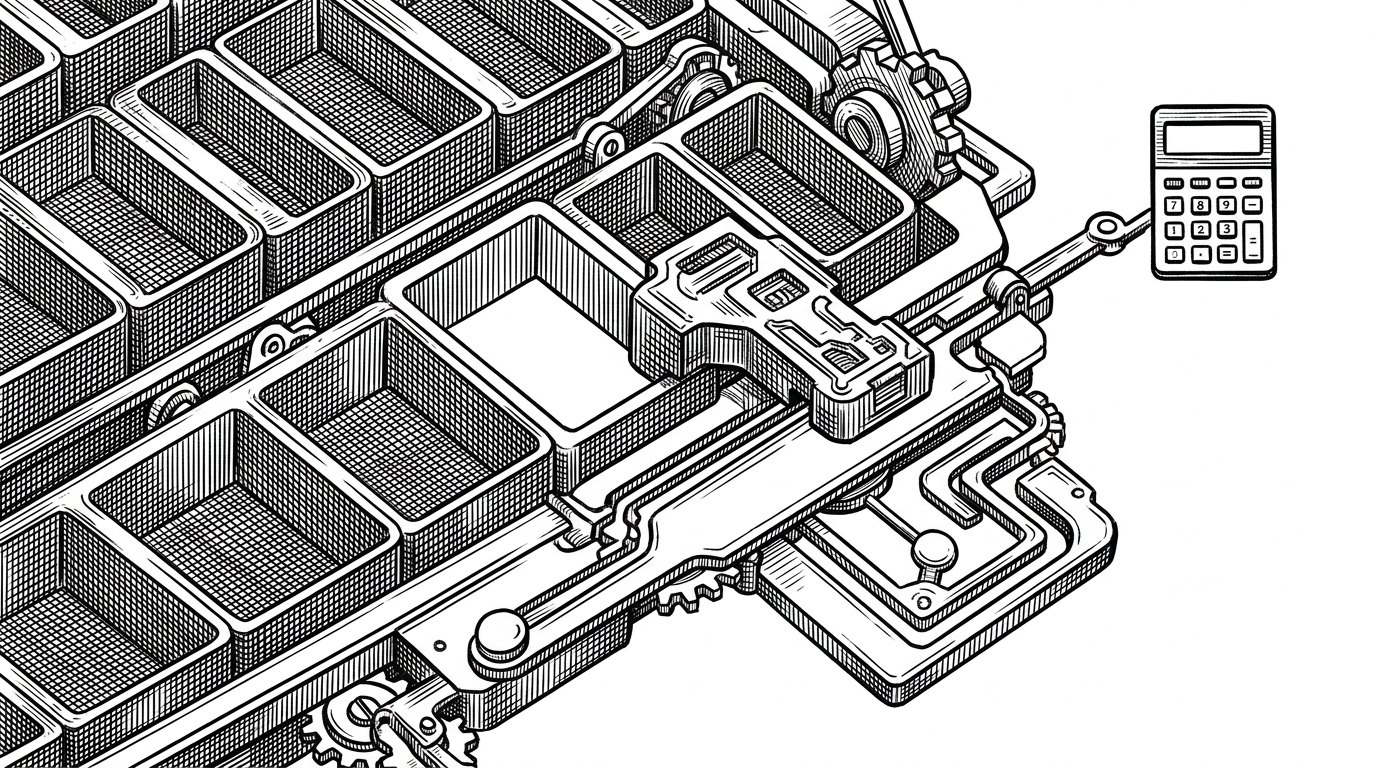
One exploit, one lesson: how c-ares turns heap shaping into control
The c-ares proof of concept shows the style clearly. The code tracks allocations, shapes the heap around a target size, and uses a controlled structure to reclaim the freed space. The point is not brute force. The point is timing.
static void *tracked_malloc(size_t size) {
    void *p = malloc(size);
    if (size == should_shape_size) {
        /* track and steer later placement */
    }
    return p;
}

static void tracked_free(void *p) {
    /* free the slot so it can be reclaimed predictably */
    free(p);
}

/* later: a controlled node lands where the freed object used to be */
The exploit’s logic is the classic memory-corruption bargain. Free something at the right moment, reclaim it with something useful, and make the program treat your structure as if it belongs there. Once the data shape and object shape line up, control flow starts to bend.
That is why the proof-of-control payload matters. A visible calculator launch is almost quaint, but it is also the cleanest possible signal that the chain worked end to end.
Why FFmpeg and libssh2 matter
The other examples widen the frame. FFmpeg shows how precise a partial overwrite can be when the attacker only needs to redirect a function pointer by a narrow margin. libssh2 shows that some exploits are really multi-stage systems: a custom server, a local harness, a leak, then a final driver that assembles the payload.
| Project | Primary trick | What it proves | Why it matters |
|---|---|---|---|
| c-ares | Heap shaping around a use-after-free | A freed slot can be reclaimed with a controlled structure | Shows how timing and memory layout become the exploit |
| FFmpeg | Partial overwrite of a callback pointer | A small overwrite can still redirect execution | Shows that precision can beat brute force |
| libssh2 | Multi-stage harness plus custom server | A bug can be exercised through a full test pipeline | Shows that exploit development can be operationalized |
Together, the examples argue against the idea that this repo is just collecting incidents. It is collecting methods. The target changes, but the workflow keeps repeating.
What this repo says about exploit development now
The bigger shift is not that exploits exist. They always have. The shift is that the repetitive parts of exploit work are getting cheaper to produce, easier to package, and easier to reuse. That changes who can participate and how fast they can iterate.
For defenders, that is the uncomfortable part. For researchers, it is the opportunity. If a workflow can turn one crash into a disciplined exploit development pipeline, then the bottleneck is no longer just technical depth. It is judgment about what to pursue, what to disclose, and how much power to give the tooling.
Github bikini/exploitarium Let me grab a copy before it goes down https://t.co/MNiGNmFSZQ
That is the real story hidden inside the repository. Exploitarium is not only a museum of PoCs. It is a preview of what exploit research looks like when the production line becomes the product.