block/goose: The Headless IDE for the Agentic Era
How a fintech company built a Rust-native, local-first AI agent that safely executes shell commands without compromising the host machine.
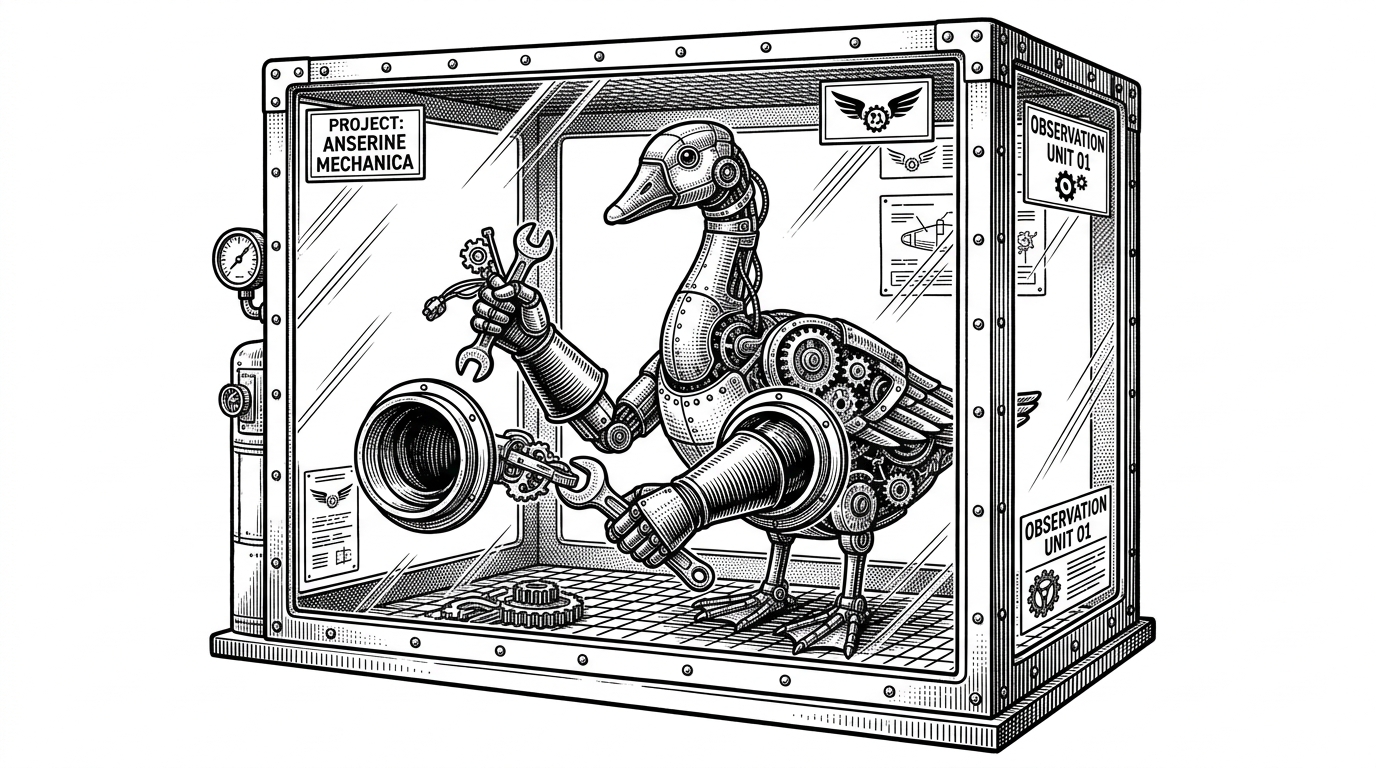
- Goose mitigates the inherent risks of autonomous coding agents by executing shell commands and tool calls within an isolated Docker sandbox.
- The project is built entirely in Rust, utilizing the tokio async runtime to manage concurrent tool executions safely and efficiently.
- By enforcing YAML-based recipes and integrating tree-sitter for structural parsing, Goose transforms unpredictable LLM text generation into deterministic engineering workflows.
- Goose counters proprietary cloud ecosystems by acting as an open, LLM-agnostic orchestrator built on the Model Context Protocol (MCP).
The Shell-Scripting Elephant in the Room
Giving an AI agent access to your terminal is terrifying. Most AI coding tools are either simple autocomplete plugins or cloud-dependent CLI wrappers that demand blind trust. Autonomous agents are notorious for hallucinating destructive commands. This creates a fundamental tension between utility and security.
Block, a financial technology company, approached this problem by treating the LLM as a hostile external dependency. Goose operates as a local-first coordinator that routes all generated actions through a strict permission boundary. Users can configure Goose to run its tool extensions inside Docker containers. This sandboxed architecture allows the agent to install packages, edit files, and run tests without ever gaining unmitigated access to the host machine.
a framework for new heights of invention and growth.
The Rust-Powered Orchestrator
While the AI ecosystem is heavily dominated by Python, the core of Goose is built entirely in Rust. This choice provides memory safety, easy binary distribution, and the robust concurrent performance required to manage complex agentic loops.
The codebase relies heavily on the tokio async runtime to handle simultaneous tool executions. The orchestrator bridges the gap between user input and the agent core via the Agent Client Protocol (ACP). This provider abstraction ensures that Goose remains entirely LLM-agnostic, capable of routing requests to OpenAI, Anthropic, or local Ollama instances interchangeably.
Taming the LLM with Recipes and ASTs
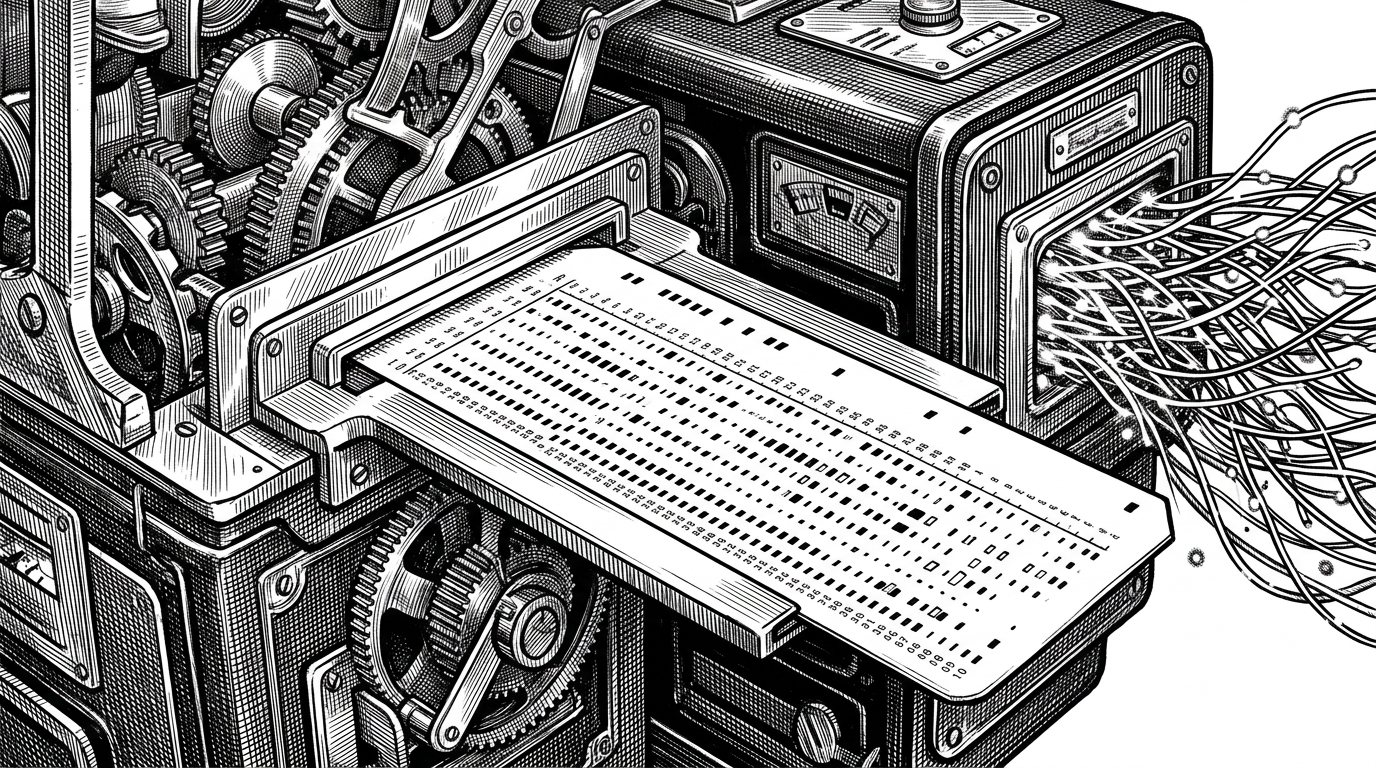
A raw prompt is too chaotic for reliable software engineering. Goose solves this by implementing a deterministic workflow system called Recipes. Defined in YAML files, these recipes guide the agent through multi-step tasks by establishing strict constraints and allowed tools.
To prevent the agent from destroying file formatting during complex edits, Goose integrates tree-sitter. This provides the agent with an Abstract Syntax Tree (AST) understanding of the code. Instead of guessing line numbers or hallucinating syntax, the agent edits files with structural awareness.
name: rigorous-code-review
description: Perform structural analysis before suggesting changes.
tasks:
  - step: Parse target file with tree-sitter
    tool: ast_parser
  - step: Identify logical execution block
    constraints: Do not modify imports or formatting.
The Sovereign Agent
Goose is fundamentally an open protocol bet. By building its extension system around the Model Context Protocol (MCP), Block ensures that the agent can connect to thousands of standard external tools out of the box.
This positions Goose as a distinct alternative to proprietary systems. It trades the frictionless onboarding of cloud-locked tools for absolute local control and data privacy.
| Feature | Block Goose | Claude Code | GitHub Copilot |
|---|---|---|---|
| Execution Environment | Sandboxed / Local | Cloud CLI | IDE Inline |
| Core Paradigm | Autonomous Agent | Interactive Assistant | Keystroke Autocomplete |
| Extensibility | Open (MCP) | Proprietary | Closed Ecosystem |
| Data Privacy | Absolute Control | Cloud Dependent | Telemetry Enabled |