bozhouDev/codex-orange-book: The Open Source Guide That Behaves Like a Publishing Pipeline
A Codex handbook, a magazine layout engine, and a documentation build system all live in one repo. The real story is how it turns Markdown into a tested, print-ready product.
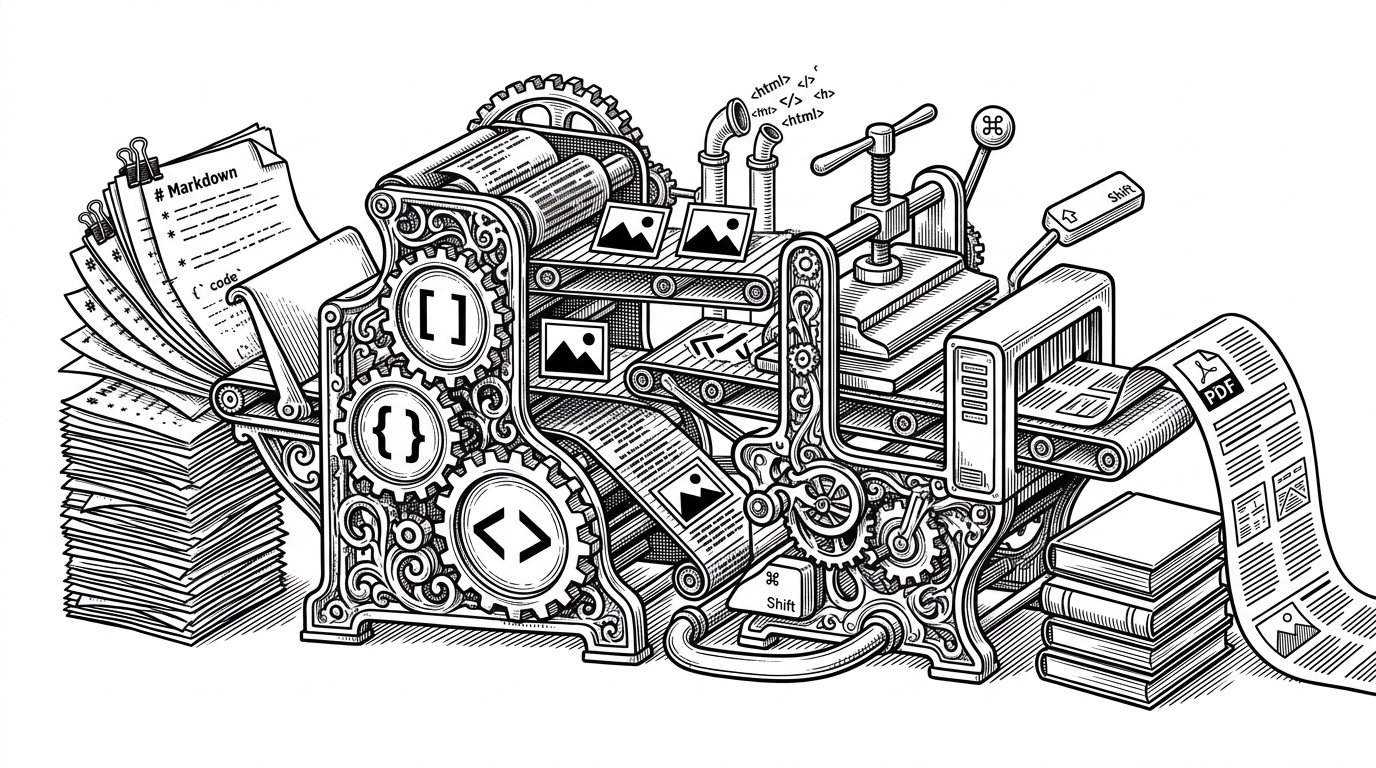
- This repo treats documentation as infrastructure, with a build pipeline, QA checks, and print-oriented output instead of a static README.
- Its real differentiator is not only the Codex content, but the way it turns Markdown into a browser-rendered book with optimized assets and separate preview and final outputs.
- The project fills a gap between official API docs and scattered tutorials by giving Chinese-speaking developers an opinionated, end-to-end learning path.
- The repo is a small proof that fast-moving AI documentation now has to act like software if it wants to stay useful.
Not a README, a Publishing System
The first thing to notice is what this repo is not. It is not just a guide to Codex, and it is not just a folder of screenshots. It is a publishing pipeline that happens to teach a model, which is why it feels more like a product than a page.
Codex 橙皮书:从安装到实战案例的全链路 Codex 使用指南 (非官方开源,含可下载 PDF)
That framing matters. Most community docs stop at Markdown, then leave the reader to assemble context from issue threads, blog posts, and stale examples. This repo goes further and packages the material into something that can be rendered, tested, compressed, and shipped like a real publication.
Why Codex Needed an Orange Book
The project fills a familiar gap. Official docs explain what the tool is, but a working guide has to show how to install it, configure it, and use it in real workflows. That is especially true for a fast-moving agentic tool where the practical questions are usually the ones missing from reference material.
The audience is clear: Chinese-speaking developers who want a complete path from setup to use, not a scattered set of tips. The result is less like a tutorial and more like an edited handbook with a strong point of view.
The Real Product Is the Build Pipeline
The technical heart of the repo is a custom publishing flow. Markdown becomes HTML, the HTML is injected into a magazine-style template, assets are rewritten and optimized, and a headless browser renders the final PDF. That is a lot of machinery for a documentation repo, and that is exactly why it is interesting.
This is the subtle part: the pipeline is built to preserve the feel of a finished book while keeping the source maintainable. The browser is not just a viewer. It is the layout engine.
README.md -> markdown.convert() -> HTML template -> asset rewrite -> Headless Chrome -> preview PDF

# In practice, the repo treats the browser as a typesetter,
# not just a renderer.
How It Keeps PDFs Small Without Looking Cheap
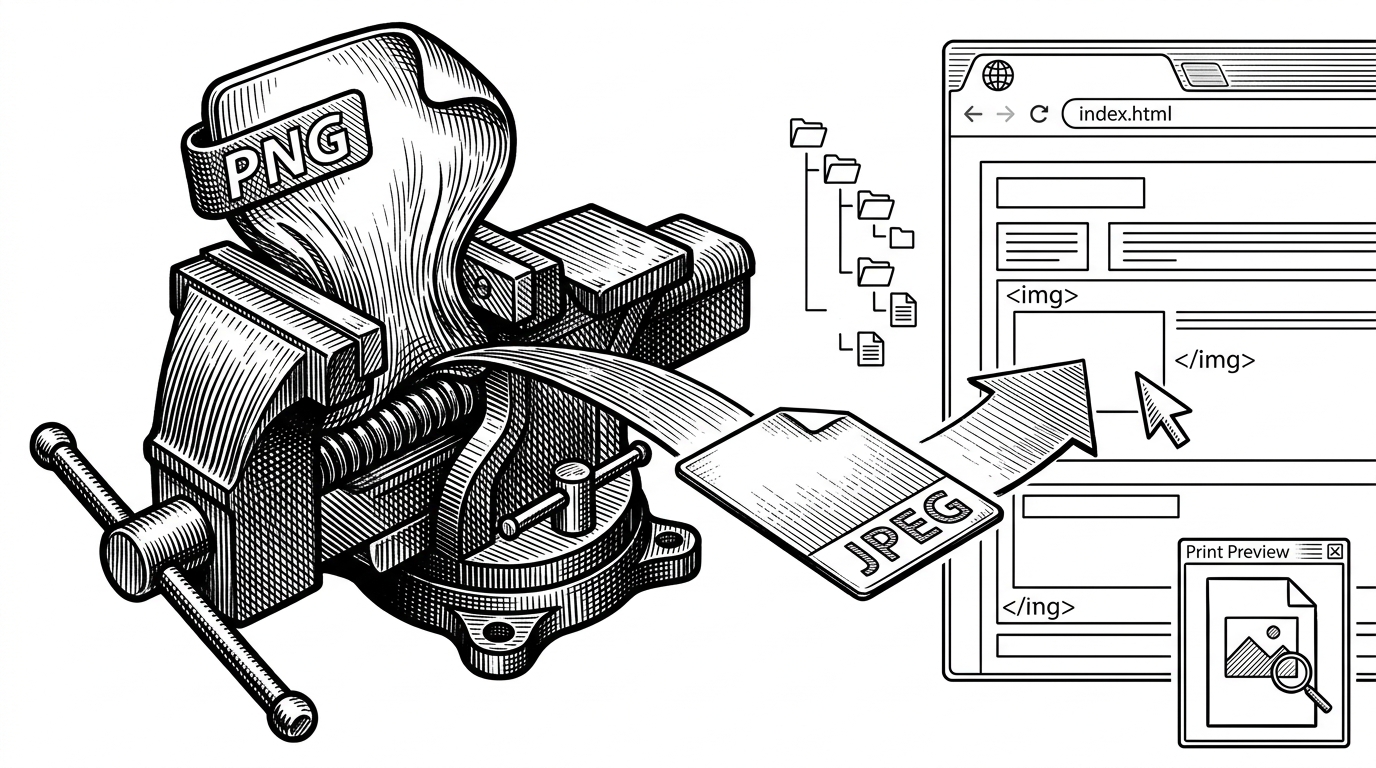
The asset logic is the smartest kind of practical. The build script scans images, resizes them, converts them to optimized JPEGs, and rewrites the HTML sources so the PDF stays light enough to move around and preview cleanly. It is a print-publishing decision hiding inside an open source docs repo.
| Source type | Primary goal | Format | Practical depth | Language/accessibility | What it lacks |
|---|---|---|---|---|---|
| Official Codex docs | Define the API and product | Reference pages | High on concepts, lower on workflows | Mostly English | Opinionated, end-to-end examples |
| Typical community tutorial | Show a quick path to a result | Blog post or video | Often shallow or fragmented | Mixed | A maintained structure and publication quality |
| bozhouDev/codex-orange-book | Teach Codex through a usable handbook | Markdown, HTML, PDF | High, with real workflows and visuals | Chinese-first | It is opinionated by design |
Docs That Test Themselves
The most revealing detail is that the documentation checks itself. Link integrity is treated like a testable concern, which is a strong signal that the repo thinks like software engineering rather than content management.
# Documentation can fail like code.
# This repo acts as if broken links are regressions, not annoyances.

def test_reader_links():
    assert all_links_resolve()
That changes the maintenance story. A guide that ships as a polished artifact can still rot quickly unless the links, assets, and generated outputs are part of the system. Here they are.
Orange Book vs. Ordinary Codex Docs
The comparison is not really about quality. It is about job to be done. Official docs explain the product. Typical tutorials show fragments of usage. This repo stitches the whole journey into one portable package, then wraps it in a publishing layer that makes it easier to read, share, and keep in shape.
| Source | Best for | Strength | Limitation |
|---|---|---|---|
| Official docs | API accuracy | Canonical definitions | Less practical depth |
| Community tutorials | Fast learning | Accessible examples | Often scattered |
| Orange Book | Real workflows | End-to-end, multilingual, printable | Opinionated and curated |
That is why the repository stands out. It is a handbook, but it also behaves like infrastructure for keeping the handbook alive.
What This Repo Says About AI Documentation
Fast-moving AI systems create a new documentation problem. The docs cannot just be correct. They also have to be durable, searchable, visually legible, and easy to regenerate when the underlying product shifts.
That is the larger lesson. The repo is not merely explaining an agentic tool. It is demonstrating the kind of publishing discipline that agentic tools now demand.