The End of AI Context Rot: Inside caliber-ai-org/ai-setup
Coding agents are only as capable as the instructions they follow. Caliber is the deterministic engine keeping CLAUDE.md and .cursorrules from going stale.
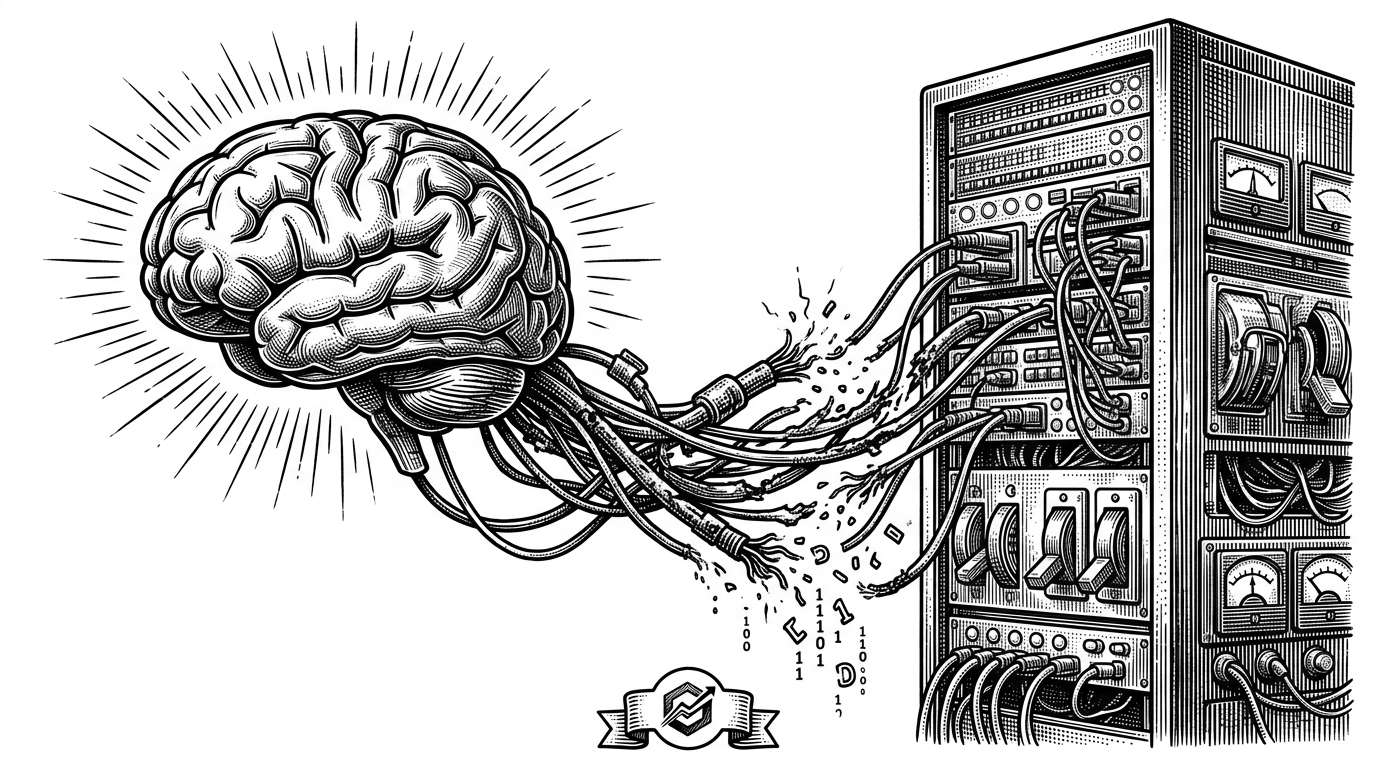
- Caliber treats AI context as dynamic infrastructure by actively syncing agent instructions with the evolving codebase.
- It uses a deterministic, LLM-free scoring engine to audit repository readiness without sending code off-machine.
- The CLI acts as a universal Rosetta Stone to automatically translate a single project fingerprint into specific configurations for Claude, Cursor, and Copilot.
The Hidden Decay of AI Context
Developers write perfect instruction files on day one. By day thirty, the architecture has changed, but the AI instructions have not. The agent starts making mistakes because its map no longer matches the territory. This is context rot.
AI coding agents are only as smart as the context they are given. When a codebase evolves, static files like CLAUDE.md or .cursorrules rapidly drift from reality. This leads to AI hallucinations and bad architectural suggestions. Caliber treats AI context as dynamic infrastructure to prevent this decay.
The Deterministic Auditor
Most AI tools lead with their generative capabilities. Caliber is interesting because it leads with a deterministic audit. The score command uses standard code to calculate a "Caliber Score" based on file existence and path validation.
Your code stays on your machine. Scoring is 100% local — no LLM calls, no code sent anywhere.
The scoreBaseRef function uses git show to reconstruct project state. It calculates how AI-ready a previous commit was. This deterministic approach provides a reliable metric rather than a hallucination-prone guess.
Fingerprinting the Stack

When a low score is detected, Caliber initiates a fix through the src/ai/detect.ts pipeline. It truncates the file tree to 500 entries and calculates extension distributions. A lightweight payload is passed to a fast LLM model to extract the project's true technical stack.
The Trojan Horse Skill
Caliber deploys its fixes via the bootstrap.ts command. It detects existing AI CLI logins to save users from managing API keys. Then, it injects a /setup-caliber executable skill directly into agent directories. The AI effectively installs its own update mechanism.

Multi-Agent Orchestration
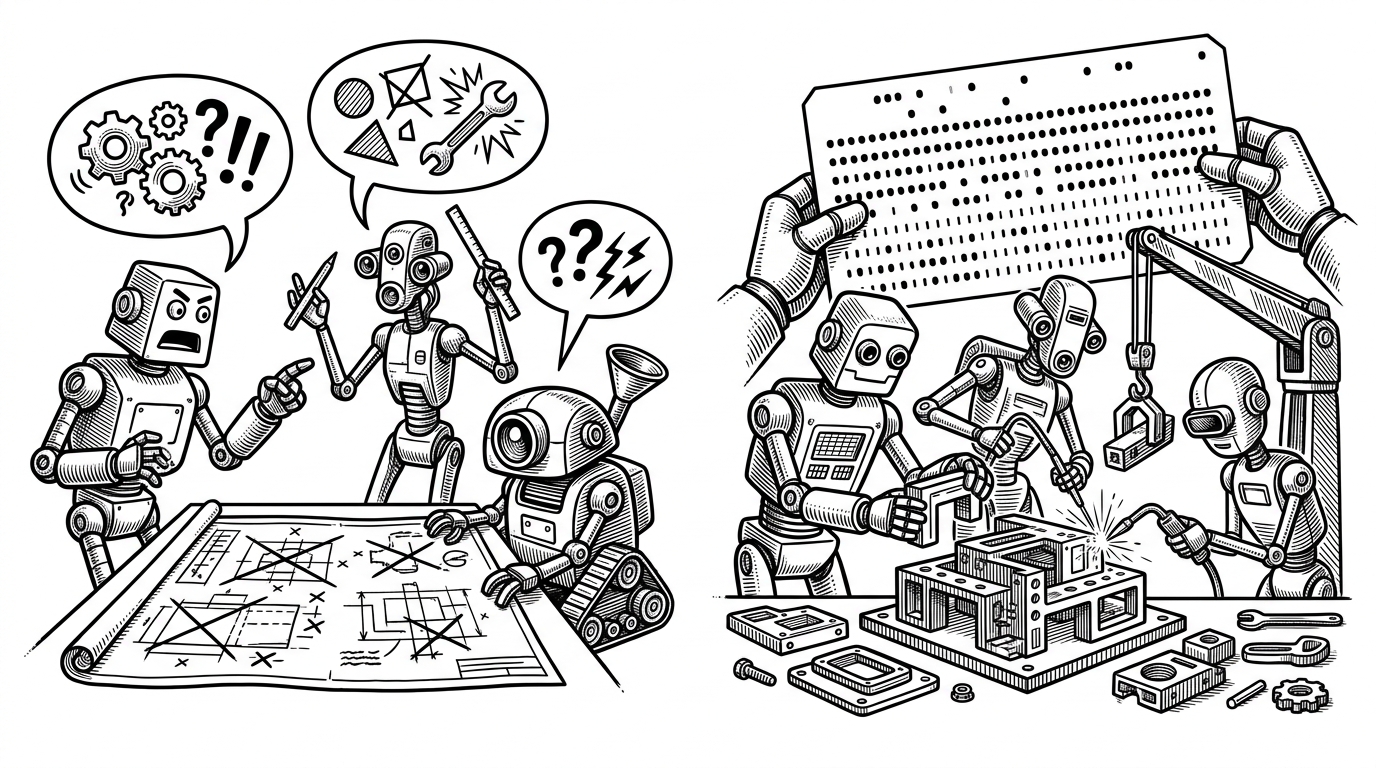
Modern teams are fragmented. One developer uses Cursor, another uses Claude Code, and a third uses Copilot. Caliber acts as the Rosetta Stone. It takes one central fingerprint and translates it into the specific dialects required by each tool.
| Feature | Manual Dotfile Management | Caliber Automation |
|---|---|---|
| Context Sync | Requires human updates on every architecture change. | Automated via continuous CLI fingerprinting. |
| Multi-Tool Support | Write separate files for Cursor, Claude, and Copilot. | Single source of truth compiled to all targets. |
| Validation | Wait for the AI to hallucinate to realize rules are bad. | Deterministic pre-flight scoring. |
| Agent Integration | Passive text files. | Active skill injection. |