The Death of Vibe Coding: Inside Project-Zero
How a contract-driven development environment treats AI not as a creative partner, but as a strictly governed deterministic engine.
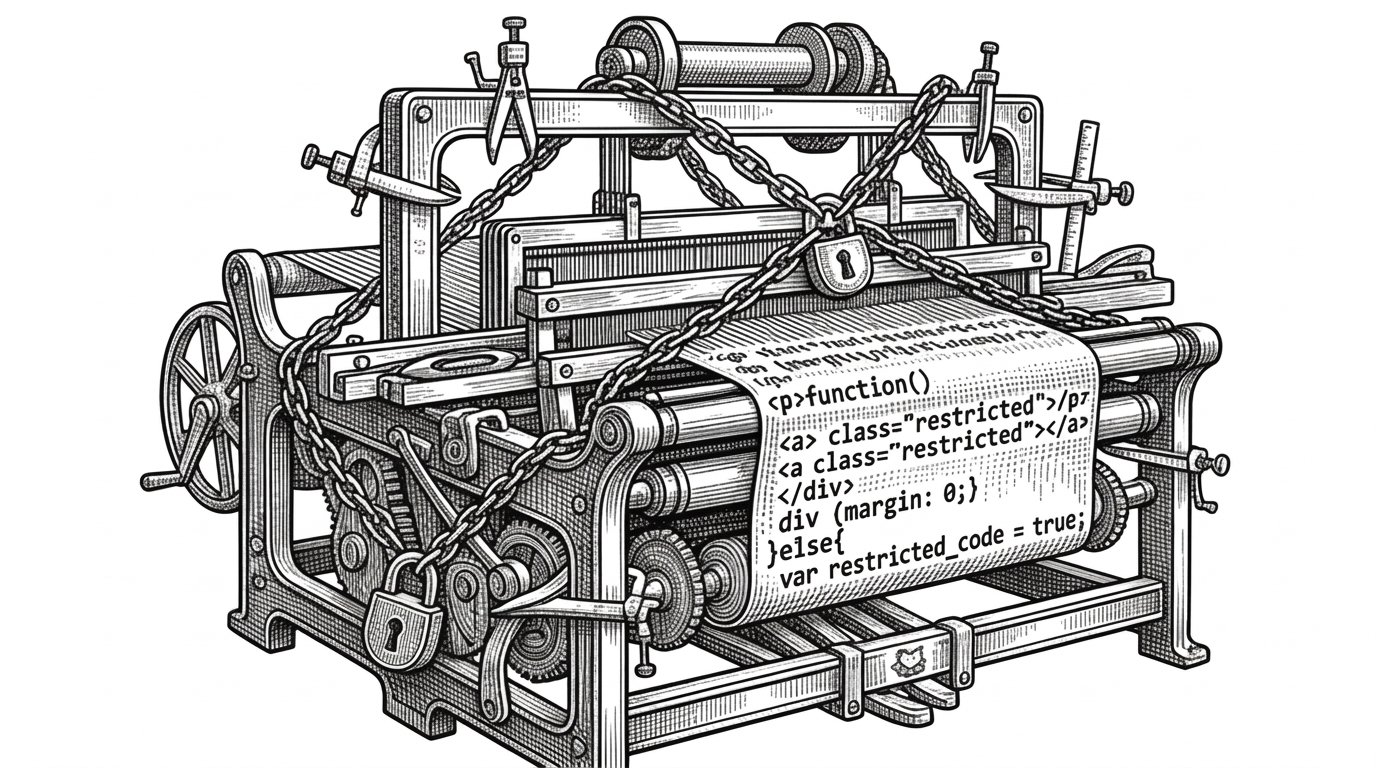
- Project-Zero replaces open-ended AI agency with a strict state machine governed by markdown and YAML contracts.
- The system employs a Stop-and-Fail-Loudly pattern that forbids the AI from making autonomous architectural decisions.
- A Physics Truth Anchor validates AI logic against universal constants to prevent the model from relying on hallucinations or consensus.
- The framework enforces a consolidation protocol that eliminates redundant logic paths and mandates cryptographic provenance for every change.
The End of Vibe Coding
The software industry is obsessed with giving artificial intelligence more agency. The prevailing logic suggests that if we just give large language models enough context and a terminal, they will autonomously build, test, and deploy entire applications. Project-Zero goes the exact opposite direction. It strips the AI of its agency entirely.
Project-Zero is a masterclass in defensive AI engineering. It treats the AI not as a creative partner, but as an untrusted, highly governed implementation engine. By using markdown files as binary semaphores and enforcing cryptographic provenance for every generated line, the framework previews a future where developers become operators managing deterministic machinery.
The Contract-Driven Workflow
The architecture of Project-Zero relies on a strict state machine for code changes. A feature does not begin with an open-ended prompt. It begins with a strict contract.
The lifecycle moves from a markdown work order to a YAML change contract. The system forces the AI to strictly follow the boundaries defined in these files. If the AI encounters ambiguity, the system employs a "Stop-and-Fail-Loudly" pattern. The AI is explicitly forbidden from filling in gaps or making architectural decisions on the fly. It must halt execution until a human operator resolves the ambiguity.
Anchoring AI in Physics
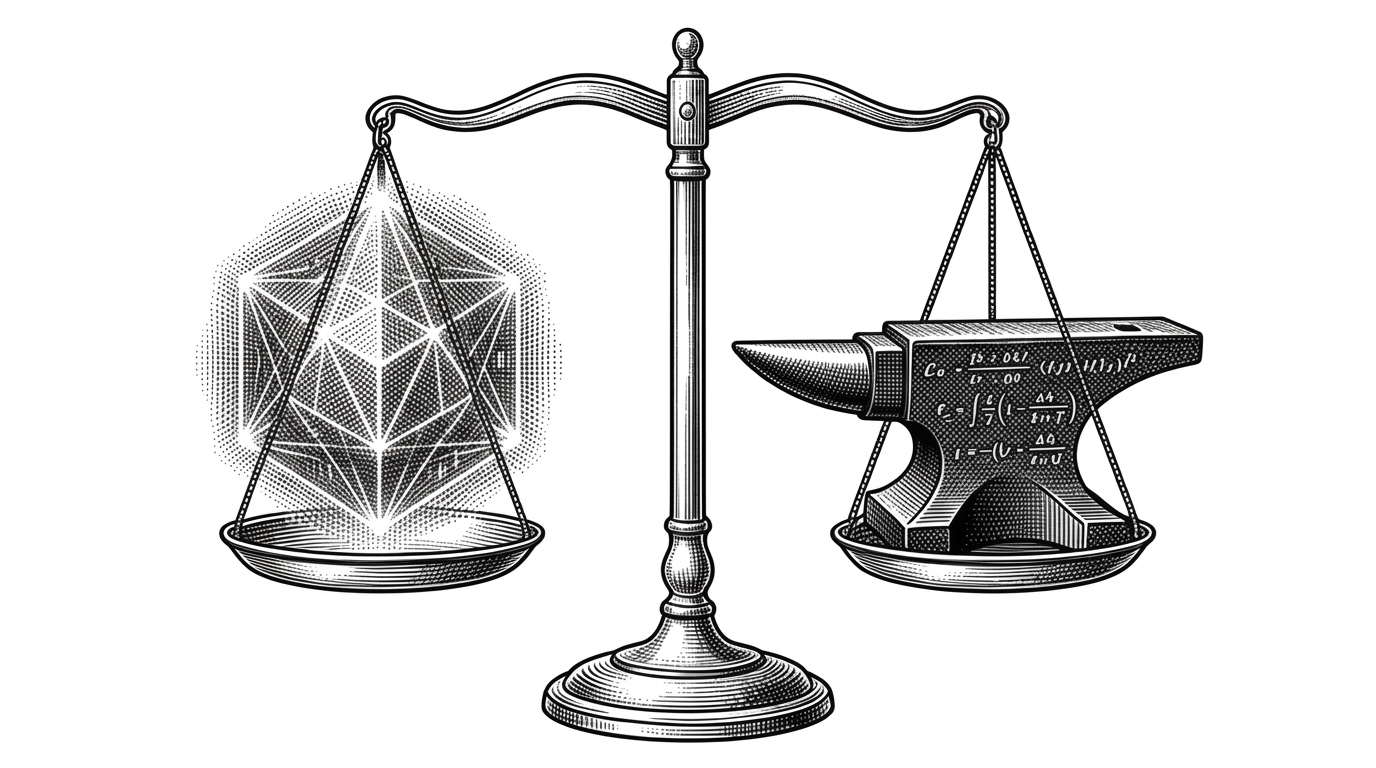
The most radical component of Project-Zero is its epistemic anchor. Detailed in the repository's vision documents, the project relies on a "Physics Truth Anchor" to validate claims. It establishes a five-tier hierarchy of fire-class verdicts to evaluate the quality of assumptions.
This system forces AI-generated hypotheses to include explicit criteria for their own disproof. It anchors logic in universal constants (like thermodynamics or the speed of light) rather than LLM consensus. You cannot reach a secure, bankable status if the underlying data relies entirely on model-inferred assumptions.
Defensive Engineering and the Two-Path Smell
Project-Zero operates under a consolidation protocol designed to combat software entropy. The framework categorizes code modules strictly into "Observers" (which log and validate) and "Deciders" (which execute logic and set defaults).
During consolidation phases, the AI is strictly forbidden from adding new Deciders. The system introduces the concept of the "Two-Path Smell." Having two ways to accomplish the exact same task is treated as a critical failure. The AI cannot be overly helpful by offering alternative implementations. It must adhere to the single, validated path.
The Operator Paradigm
Project-Zero redefines the role of the developer. Instead of an open-ended conversation with an AI coding assistant, human developers become system operators. They manage the contracts, review the cryptographic provenance of the changes, and ensure the physical constants align with the project's goals.
| Feature | Standard AI Agents | Project-Zero |
|---|---|---|
| Role of AI | Creative Partner / Co-Pilot | Strict Implementation Engine |
| Boundary Control | System Prompts & Context Windows | Markdown Contracts & YAML |
| Validation | Test Suites & Human Review | Physics Truth Anchor |
| State Management | Standard Git Commits | Cryptographic Provenance (JSON) |
| Human Role | Developer / Reviewer | System Operator |
As AI models grow more capable, the industry will have to choose between giving them more freedom or building stronger cages. Project-Zero provides a compelling argument for the cage. By treating the AI as a powerful but untrusted engine, it guarantees deterministic, auditable software output in an increasingly probabilistic world.
Sources: Project-Zero Repository