Quarantining the AI Supply Chain: Inside chain-ml/agent-reputation
How a Python pipeline uses isolated Docker sidecars and cryptographic hashing to build a unified trust layer for autonomous agents.
- The repository tackles the critical vulnerability of autonomous agents executing unverified third-party skills locally.
- A sidecar architecture safely detonates untrusted code in air-gapped Docker containers to protect the host system during security scans.
- The ingestion engine uses SHA-256 content hashing to establish canonical identity and track malicious agents across fragmented registries.
- Unlike decentralized Web3 reputation protocols, the system relies on a deterministic PostgreSQL schema and multi-layered risk modeling.
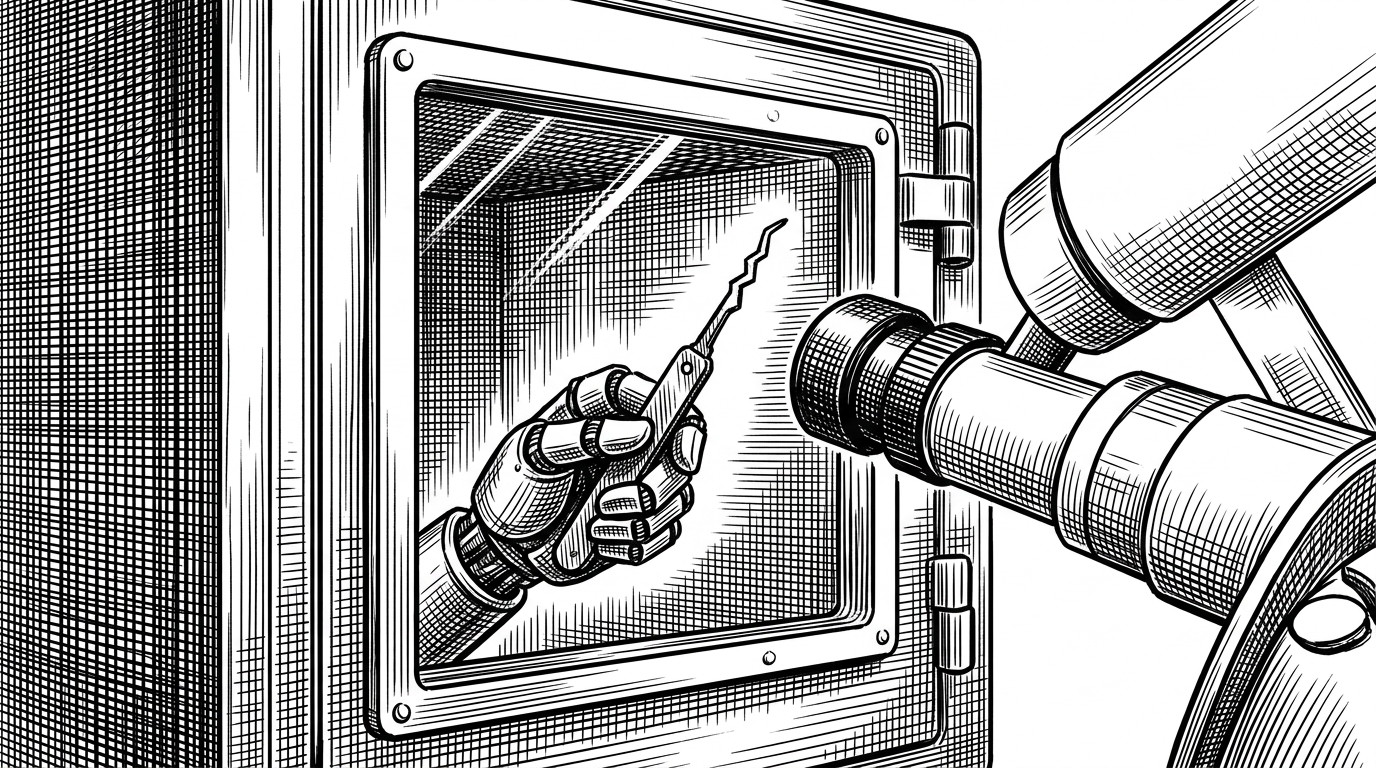
The Day Zero Vulnerability of Agentic Workflows
Autonomous agents are only as good as their tools. However, downloading a third-party Model Context Protocol (MCP) server or skill is functionally equivalent to running a random executable from the internet. The ecosystem currently lacks a unified background check, leaving developers blindly plugging unverified code into their local filesystems and APIs.
What happens when your agent is smart enough to call tools, spend money, trigger workflows, and negotiate with other systems, but nobody on the other side has a practical reason to trust it? That is no longer a thought experiment. It is an engineering problem.
The Quarantine Architecture
Security scanners must parse untrusted code. This makes the scanners themselves vulnerable vectors. The chain-ml/agent-reputation project solves this using a strict sidecar pattern defined in its orchestration layer. Each scanner runs in an isolated container with dropped capabilities and internal-only networks.
Solving the Identity Crisis with Hashes
A malicious agent banned on one registry can easily be renamed and uploaded to another. The ingestion engine tackles this shapeshifting behavior through a canonical identity abstraction. It relies on SHA-256 source content hashes rather than registry-specific slugs. This allows the system to instantly recognize known malicious payloads regardless of where they are hosted.
The Three Layers of Agent Risk
The framework models risk across three distinct dimensions. A skill might have perfectly safe Python execution code (L1 Implementation) and high download metrics (L2 Metadata). Yet, it could contain a system prompt designed to exfiltrate user data (L3 Orchestration). Security requires penetrating all three distinct paradigms.
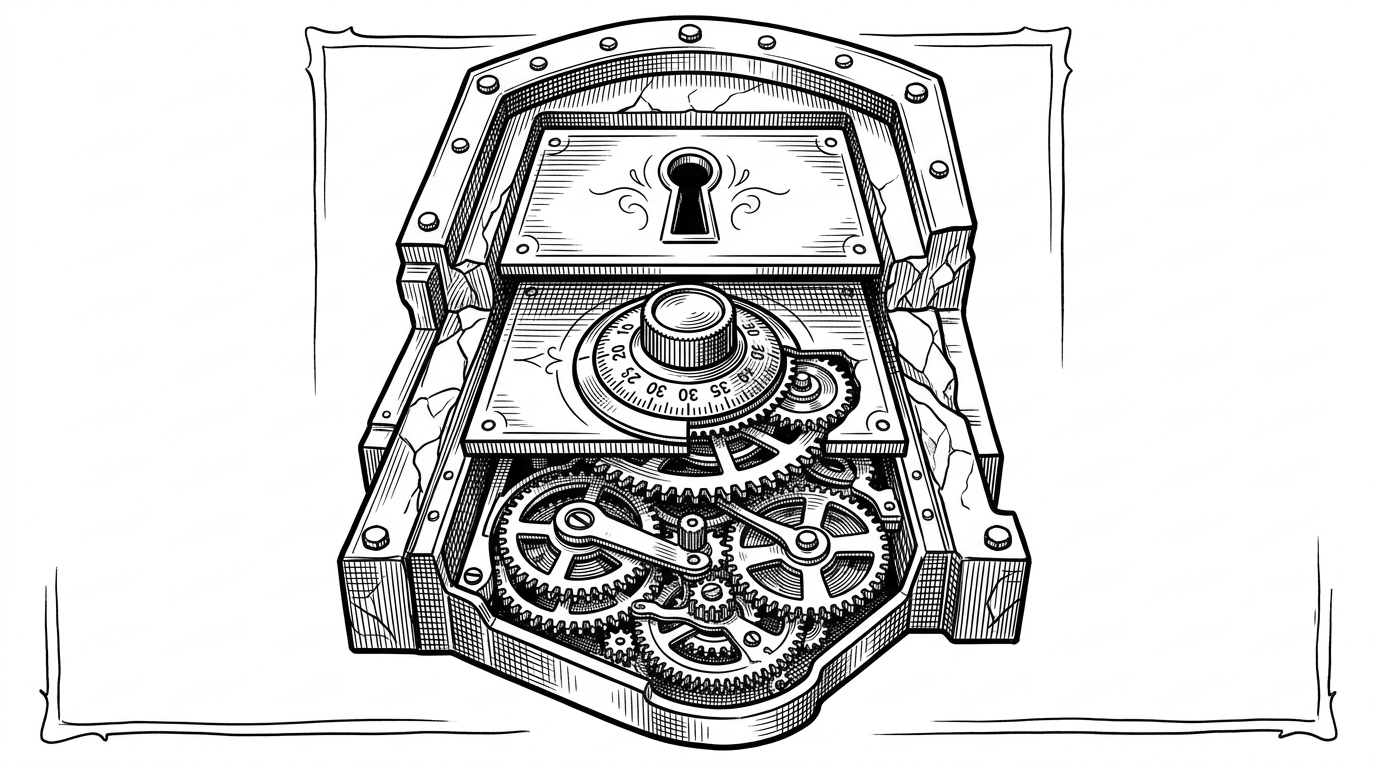
Relational Sanity in a Web3 World
The 2026 landscape for agent trust is crowded with decentralized, on-chain consensus protocols. In contrast, chain-ml offers a deterministic, enterprise-grade approach. It trades tokenomics for strict Python Pydantic models and an asynchronous PostgreSQL schema.
| Feature | Chain-ML (Agent Reputation) | On-Chain Competitors |
|---|---|---|
| Primary Datastore | PostgreSQL | Blockchain / Ledger |
| Identity Verification | SHA-256 Content Hash | Wallet DID |
| Trust Metric | Deterministic Scanner Output | Peer / Token Consensus |
| Execution Environment | Isolated Docker Sidecar | Distributed Nodes |