Apollo-11: The Tiny Computer That Learned to Run Itself
How the AGC’s Executive, Interpreter, and Waitlist turned a 1960s spacecraft computer into a real-time system that could guide humans to the Moon.
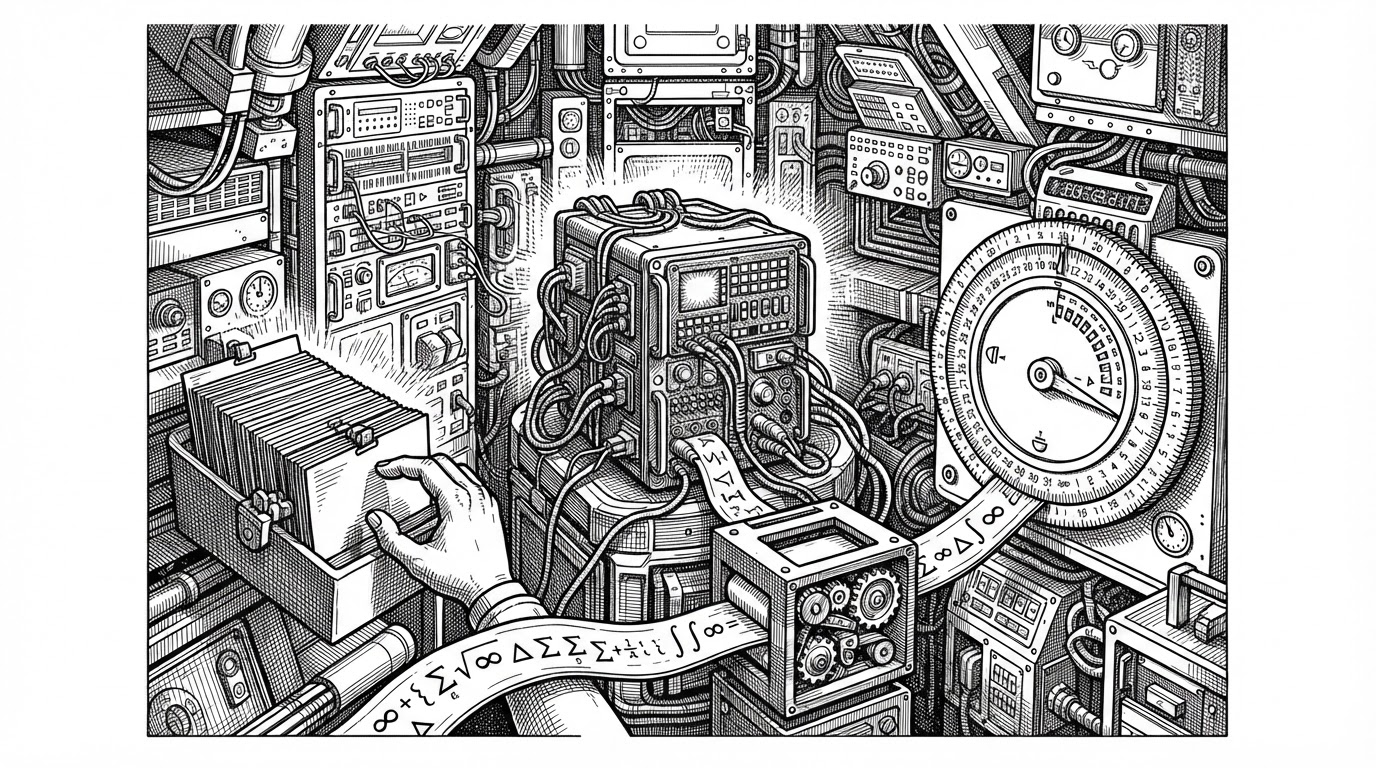
- The Apollo 11 source code is less a museum artifact than a compact lesson in runtime design under brutal constraints.
- The Executive, Interpreter, and Waitlist split responsibility so the AGC could schedule work, run expressive math, and hit precise timing windows.
- The Interpreter is the quiet superpower of the repo because it turns a tiny assembly machine into something closer to a small virtual machine.
- GitHub made the Apollo 11 codebase legible to modern developers, but the deeper value is how clearly it shows software as a survival system.
The Apollo 11 Guidance Computer could not afford the luxury of one giant program doing everything. It had to be broken into pieces that knew how to schedule, translate, and wait. That is why this repository feels surprisingly modern: it preserves a tiny runtime system, not just a pile of historical assembly.
The Moon Computer Was a Runtime System
This repository contains the digitized source for two flight software packages: Comanche 055 for the Command Module and Luminary 099 for the Lunar Module. Both sit on top of the same architectural idea. The AGC was not a machine that merely ran instructions. It was a machine that had to manage its own time, priorities, and memory pressure while humans were depending on it.
Three Pieces Made the AGC Feel Bigger Than It Was
The cleanest way to understand the codebase is to stop thinking about it as a single program. The AGC worked like a tiny operating environment. Each subsystem had a narrow job, and the whole design depended on those jobs staying separate.
| Subsystem | Problem it solves | What it handles | Why it mattered on Apollo 11 | Modern analogy |
|---|---|---|---|---|
| Executive | Who runs next | Long-running jobs, priorities, scarce execution slots | Kept navigation and control work moving without collapsing into chaos | A real-time scheduler |
| Interpreter | How to express richer math | Pseudo-instructions, fixed-point calculation, translated operations | Made complex guidance math practical in a tiny instruction set | A bytecode VM or interpreter |
| Waitlist | What must happen exactly on time | Short timed actions, interrupt-driven events | Let sensors and jets fire at precise moments | An interrupt queue or timer wheel |
The table gives the labels. The architecture gives the surprise. Apollo software was not one heroic assembly file. It was a set of constrained subsystems that made timing legible.
The goal is to be a repo for the original Apollo 11 source code. As such, PRs are welcome for any issues identified between the transcriptions in this repository and the original source scans for Luminary 099 and Comanche 055, as well as any files that may have been missed.
Why the Interpreter Was the Real Superpower
The Interpreter is the most elegant trick in the repository. MIT engineers effectively built a small virtual machine inside a computer that was already starved for memory. That sounds expensive, and it was. But it bought them a better trade-off than raw assembly everywhere would have given them.
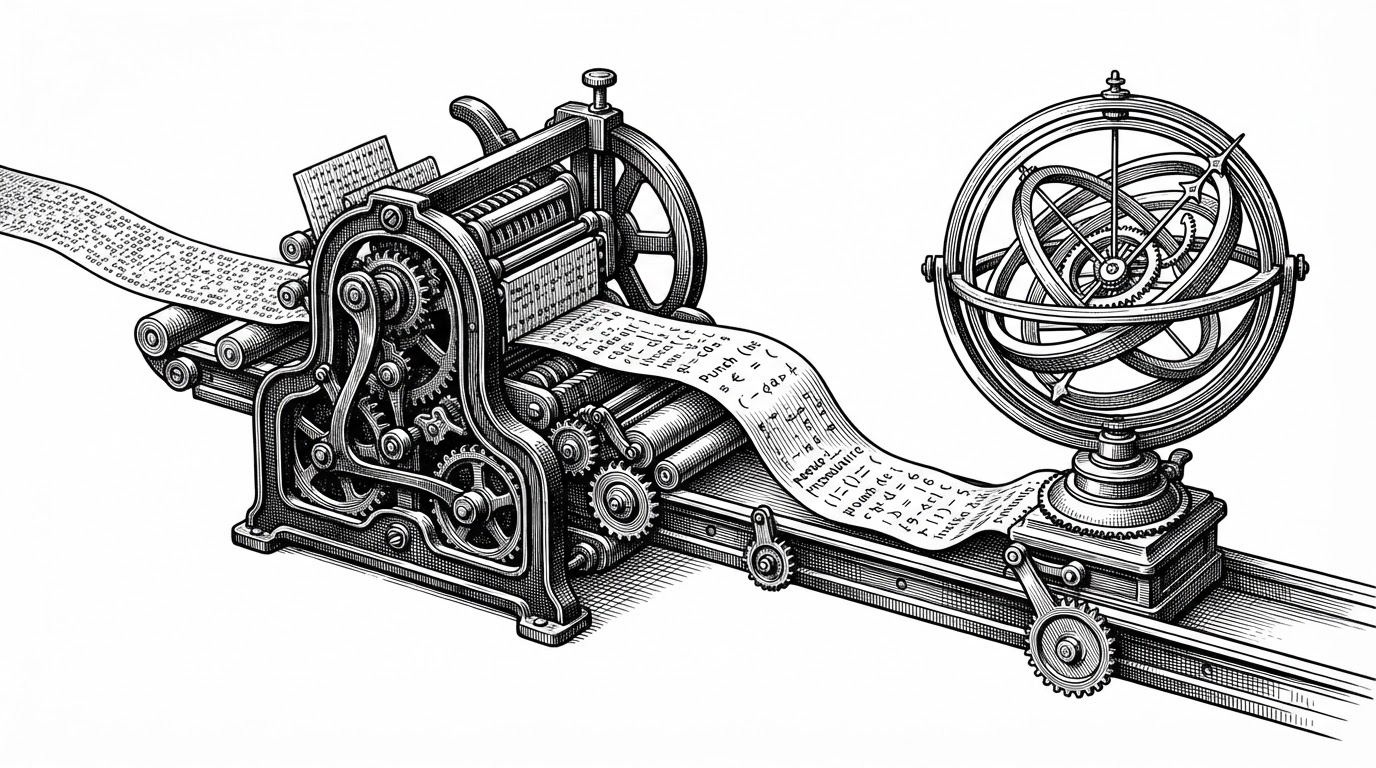
That mattered because navigation math is the kind of work that expands until it consumes everything around it. The Interpreter kept that complexity inside a controlled lane. It also made the codebase more legible than a pure assembly solution would have been, which is why the repository still reads as a design document, not just a transcription.
When I first got into it, nobody knew what it was that we were doing. It was like the Wild West.
The Executive’s Job Was Not to Be Clever. It Was to Be Reliable.
The Executive is the part of the system that looks plain until you realize how much damage it prevents. It manages tasks, priorities, and scarce memory structures with the attitude of an air traffic controller who cannot afford a single false move. On Apollo 11, that restraint was the feature.
| Modern instinct | AGC reality |
|---|---|
| One program should do the work | Work is split into jobs, interpreters, and timed tasks |
| Memory can be elastic | Memory is fixed and aggressively partitioned |
| Timing can be approximate | Timing can be mission-critical |
| Speed solves problems | Structure solves survival |
The repository makes that discipline easy to miss if you skim it as old code. Read it as systems design, and the trade-offs become obvious. Every branch, bank switch, and job handoff is there because the machine had no slack.
Why the Apollo 11 Repo Became the Internet’s Favorite Archive
Part of the repository’s appeal is cultural. It is a searchable archive, a teaching tool, and a social object that brought software archaeology onto GitHub’s stage. But it is not the only way to work with Apollo software. Virtual AGC is the emulator and tooling ecosystem. This repo is the entry point, the clean transcription, the place where the code becomes browsable.
That distinction matters. Virtual AGC lets you execute and explore. Apollo-11 lets you read the original flight code as a public artifact. One is the machine room. The other is the library card catalog.
It was scanned by a airplane pilot named Gary Neff in Colorado. MIT got hold of the scans and put them online in the form of page images, which unfortunately had been mutilated in the process to the point of being unreadable in places.
What This Code Teaches Modern Engineers
Apollo 11 is not a nostalgia project. It is a stress test for how much structure a tiny system needs when failure is not acceptable. The lesson is still current: constrain the problem, formalize scheduling, and make runtime behavior visible enough that humans can trust it.
That is why this repository still matters. It shows that software engineering did not begin when hardware became abundant. It began when engineers had to make too little hardware behave like enough.