x402: Resurrecting the Internet's Missing Payment Layer
How Coinbase and the HTTP 402 status code are building a high-frequency economy for AI agents.
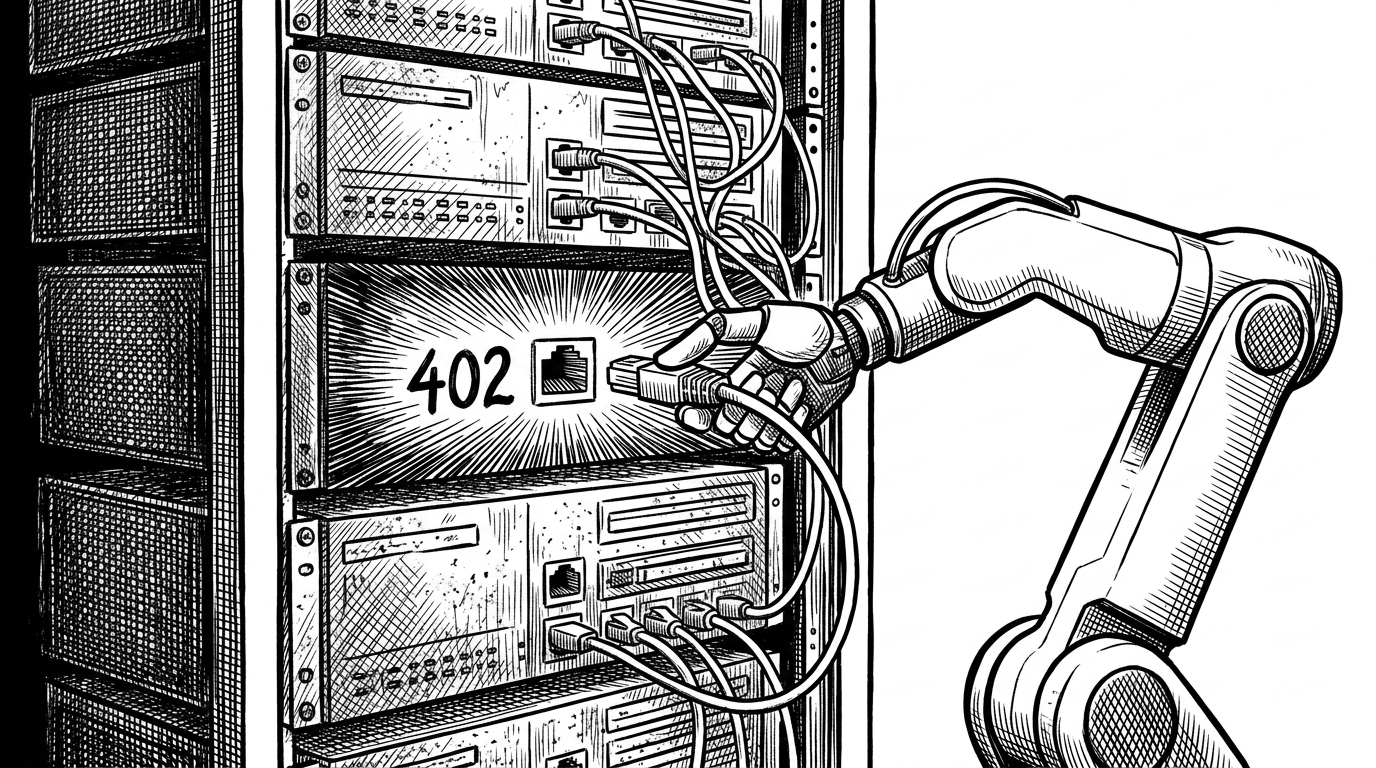
- The x402 protocol implements the dormant HTTP 402 status code to enable native micro-transactions for autonomous AI agents.
- A facilitator pattern abstracts blockchain complexity by allowing servers to verify signed payment payloads without requiring clients to manage gas fees or nodes.
- The protocol utilizes Uniswap’s Permit2 "Witness" pattern to ensure facilitators cannot alter transaction destinations or amounts.
- Low-fee Layer 2 networks enable sub-cent metered billing as a viable alternative to traditional flat-rate SaaS subscriptions.
The Error Code That Waited 30 Years
When the HTTP/1.1 specification was drafted in 1997, the architects included a status code for a future they knew was coming but could not yet build. The code was 402. Its official definition was simply "Payment Required." For nearly three decades, it sat dormant. The internet lacked a native currency, so we built workarounds. We bolted on credit card processors, shopping carts, and subscription gateways.
These human-centric abstractions work fine for people. They fail completely for software. As automated AI agents begin traversing the web to gather data and execute tasks, they hit a hard wall. An LLM cannot fill out a Stripe form. It cannot solve a CAPTCHA to prove it is human. The legacy payment rails are designed to keep bots out, which is exactly the opposite of what an agentic economy requires.
The x402 protocol, developed by Coinbase, is the long-awaited implementation of that ghost code. It embeds value exchange directly into the HTTP request lifecycle. By leveraging stablecoins and low-fee blockchain networks like Base, x402 allows software to negotiate and settle micro-transactions natively, turning every API endpoint into an autonomous storefront.
The Three-Way Handshake
The genius of x402 is that it does not force web developers to become Web3 experts. The architecture introduces a "Facilitator" pattern that abstracts away the complexity of blockchains, gas fees, and RPC nodes.
When a client requests a protected resource, the server responds with a standard HTTP 402 status and a PAYMENT-REQUIRED header containing a Base64-encoded payment payload. The client then signs this payload. Instead of broadcasting the transaction to a blockchain itself, the client simply retries the HTTP request, attaching the signature in a PAYMENT-SIGNATURE header.
The resource server receives the signature and forwards it to the Facilitator. The Facilitator handles the heavy lifting on-chain and replies to the server with a simple boolean: yes, the payment is valid, or no, it is not. If valid, the server returns the resource with a 200 OK.
Solving for "Agentic Friction"
The primary catalyst for x402 is the rise of the Model Context Protocol (MCP) and autonomous AI workflows. When an AI agent needs to search a proprietary database or utilize external compute, it encounters friction. Traditional APIs require pre-provisioned API keys, monthly billing agreements, and human oversight.
With x402, an agent equipped with a local wallet can handle paywalls autonomously. It encounters a 402 error, calculates if the requested price is within its authorized budget, signs the transaction, and retrieves the data in milliseconds. This enables a high-frequency, pay-as-you-go economy where agents can hire other specialized agents for fractions of a cent.
The Security of the "Witness"
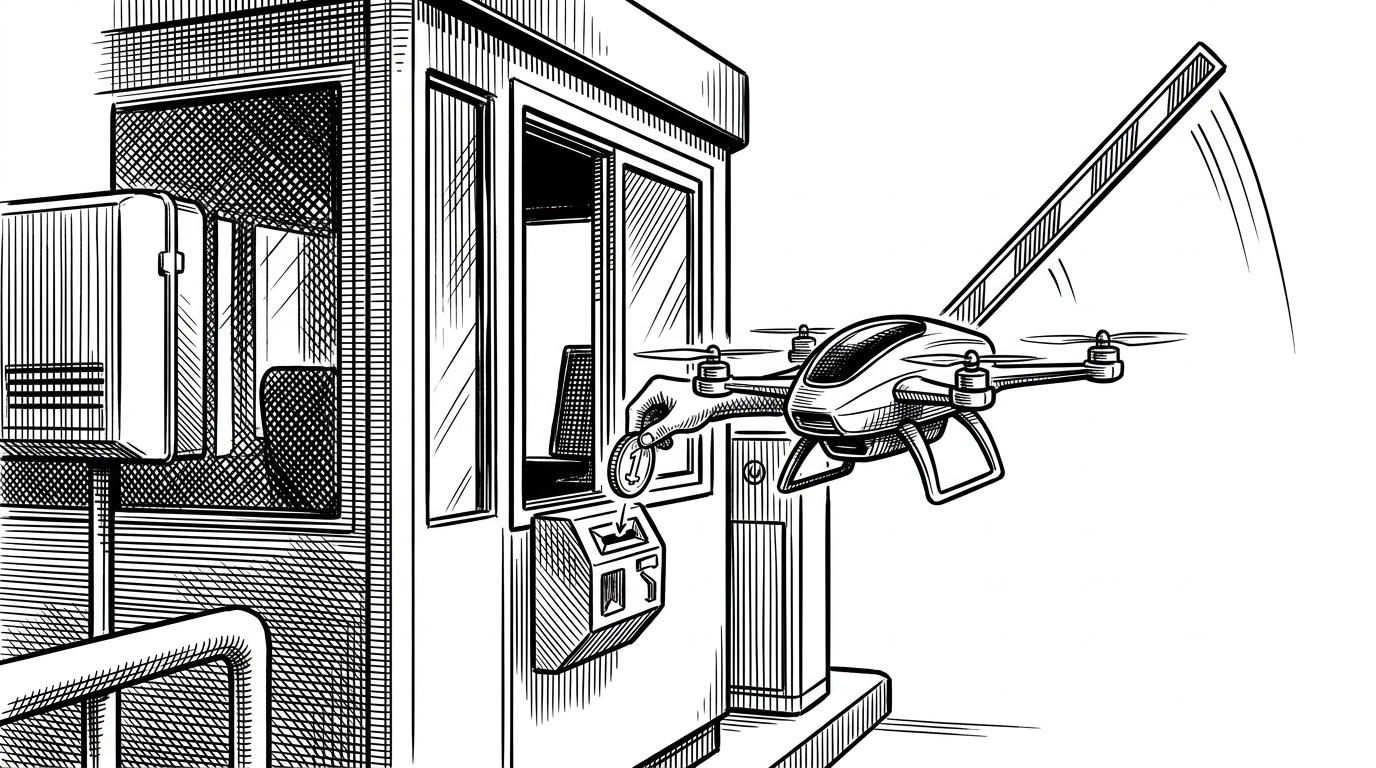
Delegating transaction settlement to a middleman introduces a security risk. If the Facilitator submits the transaction to the blockchain, what stops them from changing the destination address and stealing the funds? The answer lies in the smart contracts, specifically the x402ExactPermit2Proxy.sol implementation.
x402 leverages Uniswap's Permit2 architecture and a cryptographic pattern known as the "Witness." When the client signs the payment payload, they are not just signing a blank check. The signature includes a hash of the "Witness" data, which strictly defines the destination address and the exact amount.
When the Facilitator submits the transaction, the smart contract verifies the signature against this Witness hash. If the Facilitator attempts to alter the destination, the hash will not match, the signature will be deemed invalid, and the transaction will revert. The Facilitator is entirely trustless.
The End of the Subscription?
The internet defaults to subscriptions because legacy payment processors charge a flat fee plus a percentage for every transaction. Processing a one-cent payment through Stripe costs more than the payment itself. This forced the industry into $20 monthly SaaS models, even for tools a user might only need once.
By utilizing Layer 2 blockchains where gas fees are negligible, x402 makes sub-cent transactions economically viable. This shifts the paradigm from flat-rate subscriptions to precise, metered consumption.
| Feature | x402 Protocol | Stripe (Traditional) | Lightning (L402) |
|---|---|---|---|
| Target User | Software and AI Agents | Humans (Browsers) | Software and Humans |
| Minimum Viable Payment | $0.001 | ~$0.50 | Fraction of a cent |
| Integration Model | HTTP Middleware | UI Redirects / Hosted Pages | Custom Node Management |
| Settlement Speed | Instant (L2 Blockchains) | T+2 Days (Fiat) | Instant (Network State) |
x402 represents a fundamental shift in web architecture. By bringing financial settlement down to the transport layer, it finally fulfills the promise of the HTTP 402 code. It provides the missing economic infrastructure required for a truly autonomous web.
Sources: