descope/node-sdk: Engineering the Invisible Layers of Identity
How a dual-key architecture and a custom fetch polyfill turn a core JavaScript library into a bulletproof Node.js authentication client.


also it worth to add it to README (either if we use `managementKey` another `authManagementKey`)
- Descope prevents Node.js memory exhaustion on massive JSON payloads by patching cross-fetch with a custom 30MB high-water mark.
- The SDK isolates complexity by wrapping an environment-agnostic JavaScript core, allowing business logic to be written once and injected with Node-specific crypto and network modules.
- A strict dual-key architecture enforces the principle of least privilege, separating god-mode management access from scoped authentication tasks.
- The project integrates directly with the Model Context Protocol, shifting authentication paradigms from human-only users to autonomous AI agents.
Surviving the Payload
Node.js backends often fail silently when fetching lists of thousands of users. The problem is rarely the API itself. It is the underlying memory buffer struggling to process massive JSON responses. Descope tackles this invisible failure point head-on in its Node SDK.
Inside lib/fetch-polyfill.ts, the SDK patches cross-fetch with a custom 30MB high-water mark. This defensive engineering choice prevents the memory buffering failures that typically occur when a heavily loaded enterprise backend attempts to parse massive payloads. It is a detail that most developers miss until their production servers hang.
import fetch from 'cross-fetch';

// Patching fetch to handle large enterprise payloads safely
const patchedFetch = (url: string, options: any) => {
  const fetchOptions = {
    ...options,
    highWaterMark: 1024 * 1024 * 30, // 30MB buffer
  };
  return fetch(url, fetchOptions);
};
The Core-Wrapper Architecture
The @descope/node-sdk repository is surprisingly thin. Instead of building a monolithic authentication library, Descope engineered a wrapper. The Node SDK acts as an environment-specific adapter over @descope/core-js-sdk.
This architectural pattern allows the core team to write business logic exactly once. The Node wrapper simply injects environment-specific networking and cryptographic modules. When a developer calls a management function, the SDK seamlessly routes the request through the shared core using Node's native capabilities.
Enforcing Least Privilege
Authentication tools are primary targets for privilege escalation. Descope mitigates this by enforcing a strict dual-client initialization process. The SDK distinguishes between a Management Key (god mode) and an Auth Management Key (scoped access).
This separation ensures that a service responsible only for inviting users cannot accidentally delete the entire project tenant. Core contributor Asaf Shen highlighted the importance of documenting these distinct access patterns during the implementation of token injection.
The Invisible Mechanics of JWTs
Developers expect token validation to be a single function call. The reality is far more complex. Inside lib/index.ts, the SDK manages a hidden layer of complexity to ensure reliability. It caches JSON Web Key (JWK) public keys locally, only fetching new ones if the Key ID in the JWT header is unrecognized.
Furthermore, the SDK implements a strict 5-second clock tolerance during validation. This silently absorbs server time drift across distributed systems, preventing valid tokens from being rejected due to minor synchronization errors.
The Agentic Frontier
Authentication is no longer restricted to human actors. As application architectures evolve, autonomous agents require the same rigorous authorization protocols as human users. Descope addresses this directly with its Model Context Protocol (MCP) Express SDK integration.
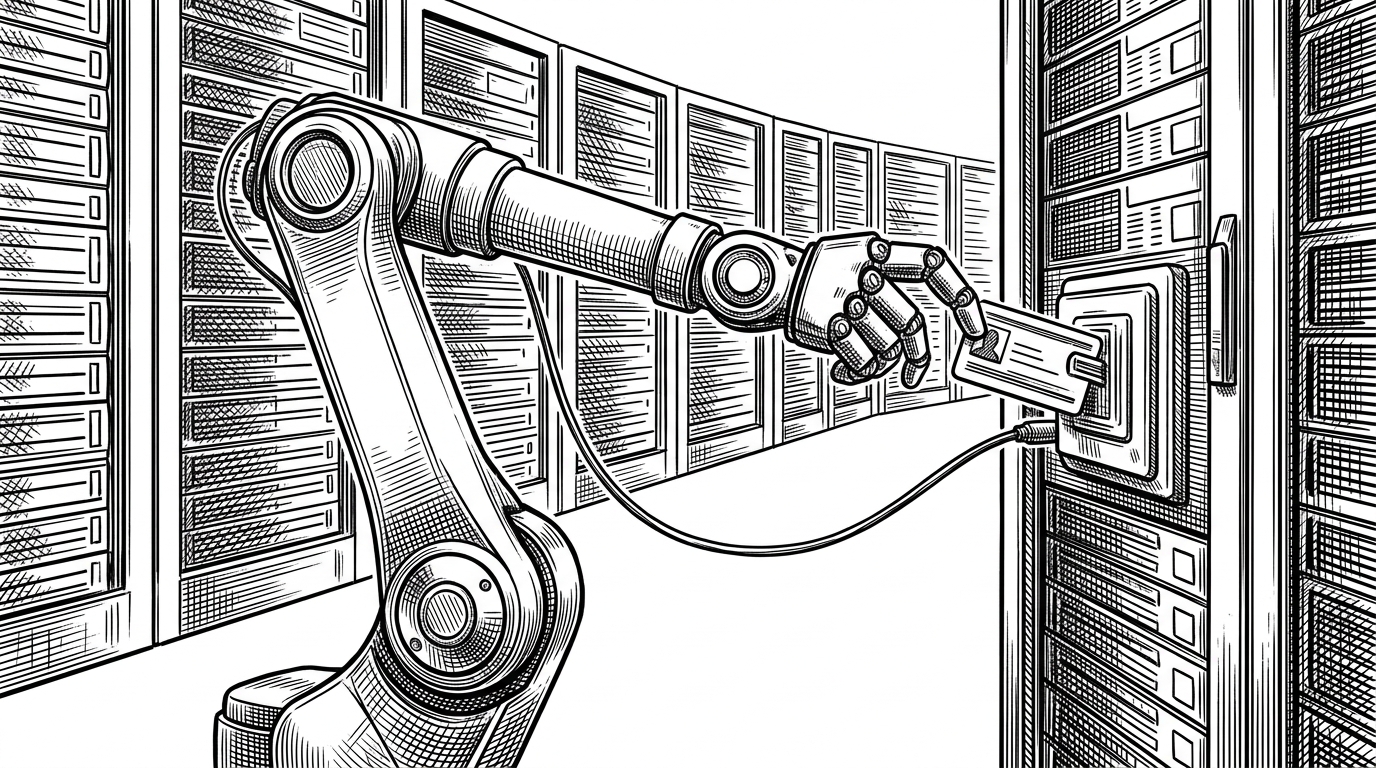
This allows Large Language Models and automated tools to securely authorize against backend resources. It represents a fundamental shift in how developers must model identity workflows for the next generation of software.
The Identity Landscape
The identity market is crowded, but Descope carves out a specific niche. While competitors focus heavily on consumer-facing React components or legacy enterprise configurations, Descope prioritizes B2B workflows and visual orchestration backed by a defensively engineered Node client.
| Feature | Descope | Clerk | Auth0 |
|---|---|---|---|
| Primary Focus | B2B & Enterprise | B2C & Startups | Universal Legacy |
| Integration Philosophy | Visual flow builder + backend wrapper | Pre-built frontend Drop-in UI | Heavy configuration panels |
| Agentic Auth | Native MCP Express SDK | Limited | Custom API gateways required |