The Zero-Knowledge Proxy: Inside duplicati/oauth-handler
How an open-source backup engine solved the impossible problem of desktop OAuth without absorbing massive security liability.
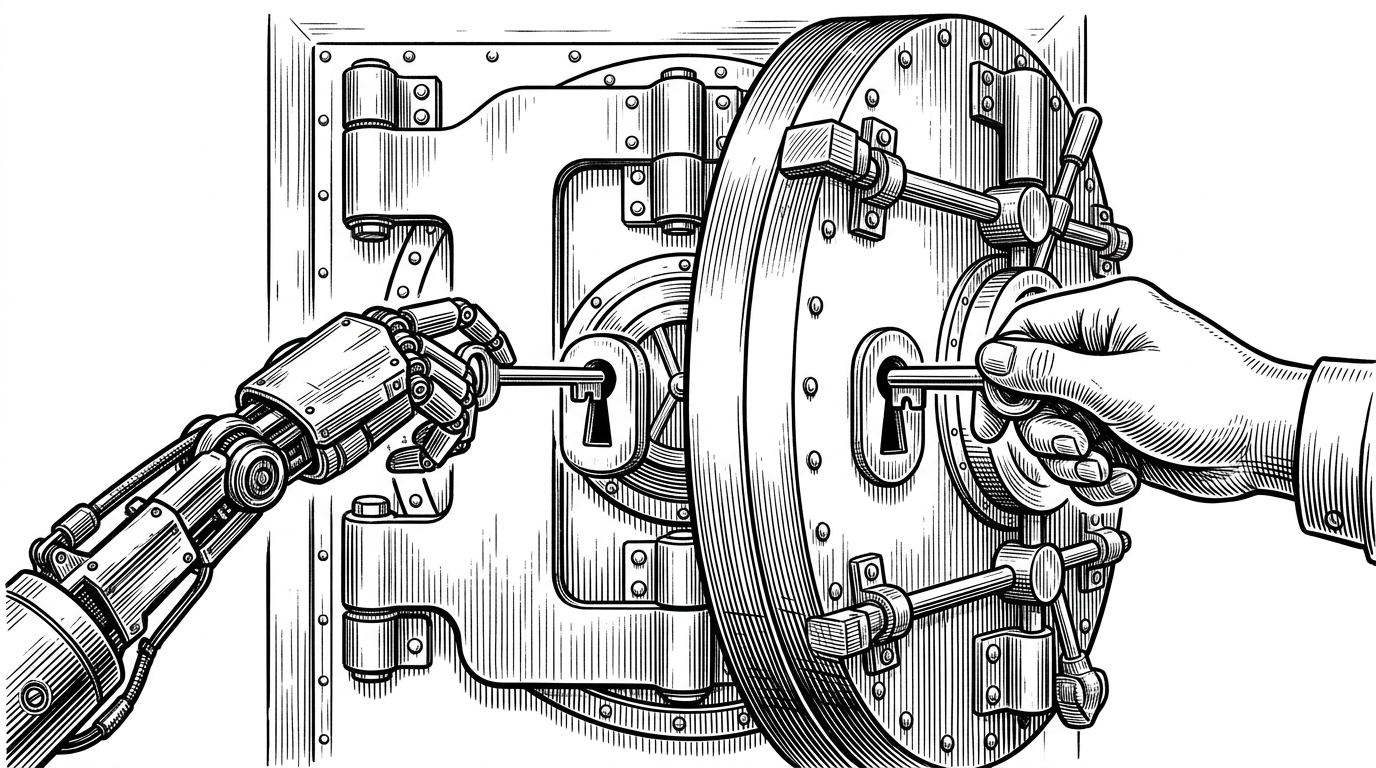
- Open-source desktop applications face a fundamental security block because they cannot safely distribute OAuth Client Secrets in public code.
- Duplicati solves this by operating a centralized proxy that encrypts access tokens and discards the decryption key, leaving the liability with the user.
- A clever polling mechanism called FetchToken bridges the gap between web-based OAuth flows and headless terminal environments.
- Stricter third-party security audits are forcing open-source projects to shift from centralized proxies to self-hosted Docker alternatives.
The Open-Source OAuth Trap
Building a local application that needs to talk to Google Drive or Microsoft Graph requires an OAuth Client Secret. If your application is open source, anyone can extract that secret from the codebase and impersonate your app to bypass rate limits or conduct phishing. Duplicati needed a centralized proxy to hold the secret, but the maintainers absolutely did not want the liability of storing thousands of user access tokens.
The Split-Key Architecture
The solution lies in a zero-knowledge cryptography pattern. When a user authenticates, the proxy receives the token from the provider. It then generates a random password, encrypts the token using AES-256 (Encrypt-then-MAC), and stores only the ciphertext in its Google Datastore. The proxy returns a composite string of the key ID and the password to the user. The centralized server literally cannot use the tokens it stores.
Bridging the Terminal Divide
Running a backup server on a headless Raspberry Pi makes web-based OAuth impossible. The proxy solves this with a headless polling mechanism. The system allows the CLI to poll a specific session ID while the user completes the web flow on their phone or laptop. This seamlessly passes the credentials back to the isolated terminal.
The Burden of Centralization
Operating a centralized proxy works flawlessly until the cloud providers change their rules. Google recently began requiring expensive third-party security audits for applications requesting full Drive access. This policy change forced the Duplicati project to evolve. The old Python-based Google App Engine handler is slowly being superseded by a modern C# Dockerized server. Open-source users must now increasingly host their own OAuth infrastructure to bypass prohibitive centralized audit costs.
| Feature | Original oauth-handler (GAE) | Modern oauth-server (Docker) |
|---|---|---|
| Infrastructure | Google App Engine (Python) | Self-Hosted Docker (C#) |
| User Setup | Zero setup (Centralized) | Requires custom Google Cloud Project |
| Provider Scopes | Restricted to un-audited scopes | Unrestricted (User assumes liability) |