Inside freqtrade-strategies: The Anatomy of a Perfect Backtest (and Why It Is Usually a Lie)
How an open-source model zoo turns Python into a financial DSL while teaching developers to avoid the ultimate algorithmic trap.
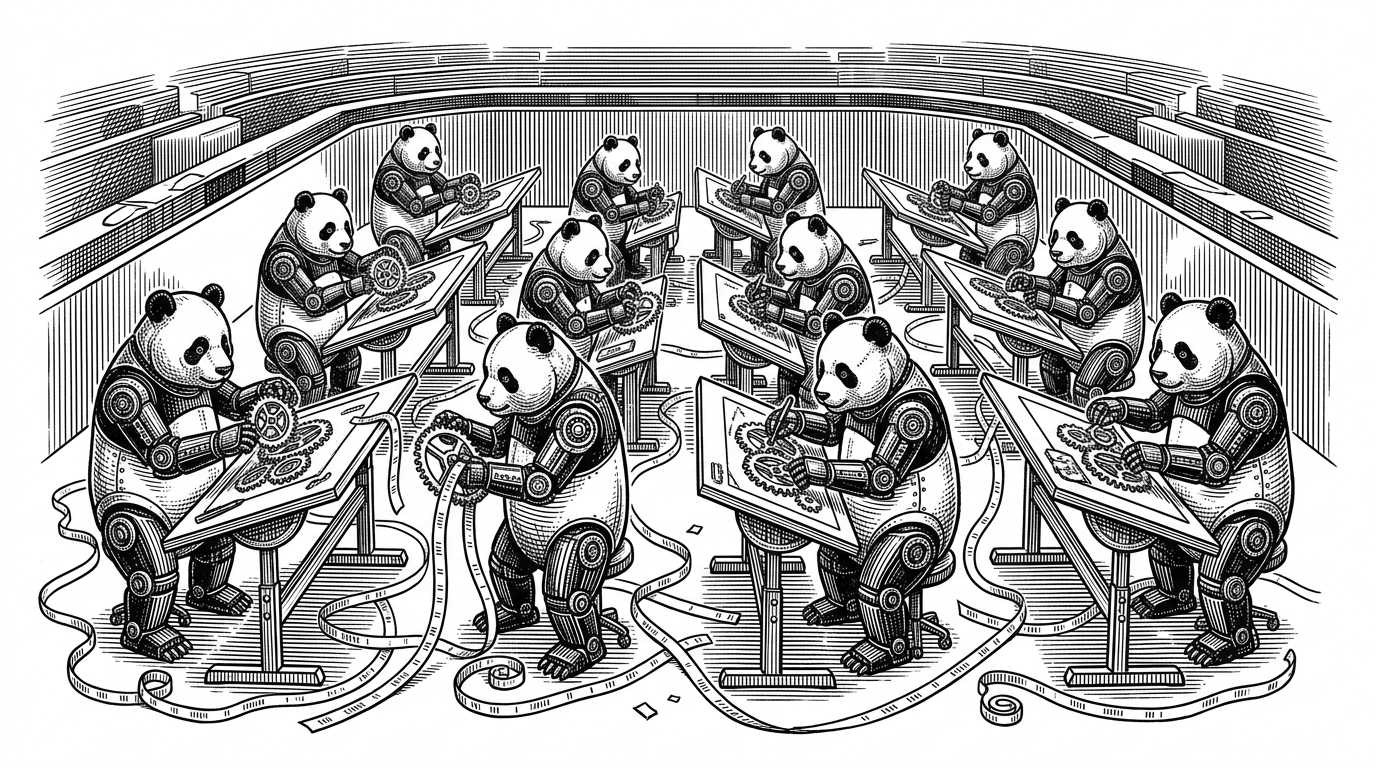
- The repository includes a dedicated lookahead bias folder to explicitly teach developers how data leakage creates mathematically impossible win rates.
- Freqtrade forces developers into a strict four-step lifecycle that effectively transforms Python and Pandas into a domain-specific language for algorithmic trading.
- Modern open-source quant trading has abandoned hardcoded baseline variables in favor of Bayesian optimization via scikit-optimize.
- Advanced risk management techniques like Parabolic SAR trailing stops separate theoretical scripts from production-ready logic.
The Allure of the Time Machine
Most algorithmic trading is locked behind the opaque walls of institutional hedge funds. The freqtrade-strategies repository flips that model. It offers a transparent, community-sourced model zoo for the open-source Freqtrade bot. But the most fascinating element is not the winning strategies. It is the lookahead_bias folder.
By intentionally preserving strategies that cheat by accessing future data, the repository acts as a masterclass in the dangers of data leakage in quantitative finance. A 99 percent win rate is usually the hook that catches a novice algorithmic trader. Developers accidentally build time machines instead of trading bots by calling a simple shift function on a Pandas DataFrame.
Python as a Financial Protocol
Every strategy file in the repository inherits from the IStrategy interface. This forces developers into a strict lifecycle: data collection, indicator population, entry, and exit. By utilizing Pandas DataFrames, Freqtrade turns Python into a domain-specific language for trading.
conditions.append(dataframe['rsi'] < 30)
if conditions:
    dataframe.loc[reduce(lambda x, y: x & y, conditions), 'enter_long'] = 1
One thing I kept running into, though, was that while Freqtrade is very good at answering one question: “Is this a valid entry signal right now?” …it doesn’t really answer a different, higher-level one: “Is this a market worth trading at all right now?”
The End of Guesswork
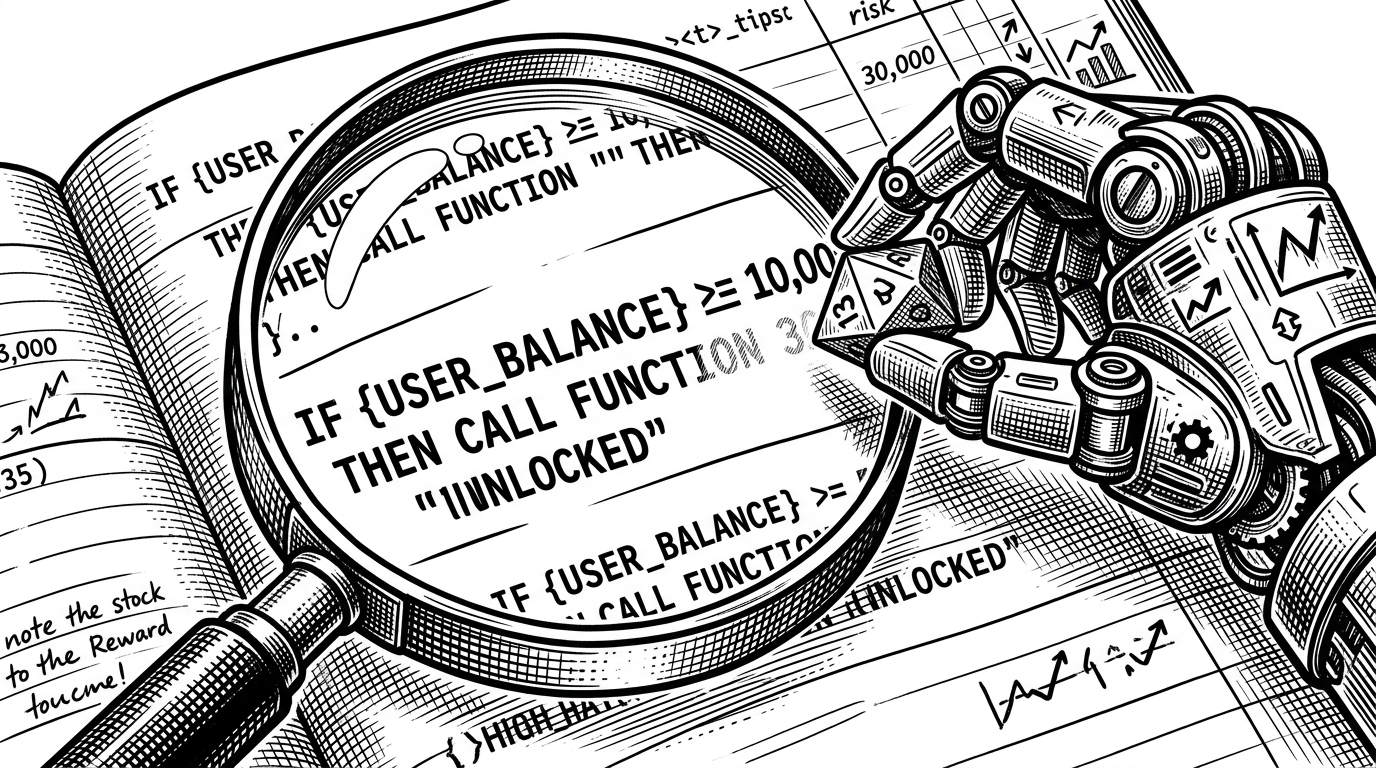
Early strategies relied on hardcoded baseline variables, like guessing that an RSI of 30 was the perfect buy trigger. Modern open-source quant trading has evolved. Files like Strategy005.py demonstrate the transition to Bayesian optimization via scikit-optimize.
Surviving the Chop
Advanced strategies in the repository deploy defensive capabilities to survive market noise. Heikin-Ashi candles smooth out erratic price action. Custom stop-loss functions use Parabolic SAR to trail asset prices dynamically, abandoning static percentage drops.
The Community-Sourced Quant
This repository operates as a community-sourced hedge fund. Unlike general-purpose machine learning libraries, it provides a highly opinionated, plug-and-play model zoo that accelerates the learning curve for retail algorithmic traders.
| Feature | freqtrade-strategies | Raw Libraries (Optuna, NumPy) |
|---|---|---|
| Time to First Trade | Minutes | Weeks |
| Required Boilerplate | Low | High |
| Guardrails | Built-in (IStrategy interface) | None |
| Community Alpha | Pre-built, profitable logic included | Build from scratch |
These strategies are for educational purposes only. Do not risk money which you are afraid to lose. USE THE SOFTWARE AT YOUR OWN RISK. THE AUTHORS AND ALL AFFILIATES ASSUME NO RESPONSIBILITY FOR YOUR TRADING RESULTS.