Beyond the Transaction: How Vara-DApp-Patterns Turns Smart Contracts into Autonomous Actors
Exploring the asynchronous, self-scheduling, and signless patterns that bring Web2-grade UX to the Vara Network.
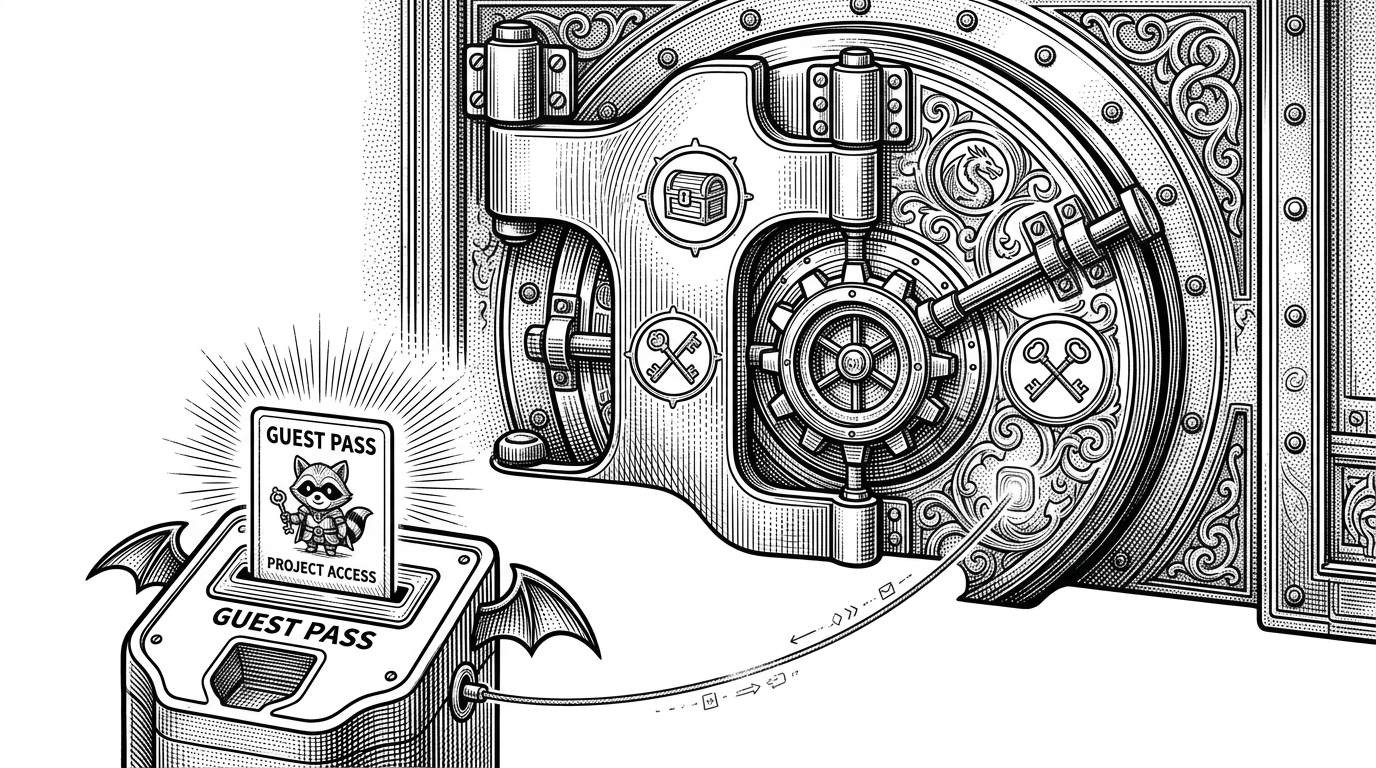
- Session keys eliminate repetitive transaction prompts by delegating temporary authority to ephemeral browser keys.
- The Actor Model enables smart contracts to function as autonomous entities that communicate through asynchronous messaging.
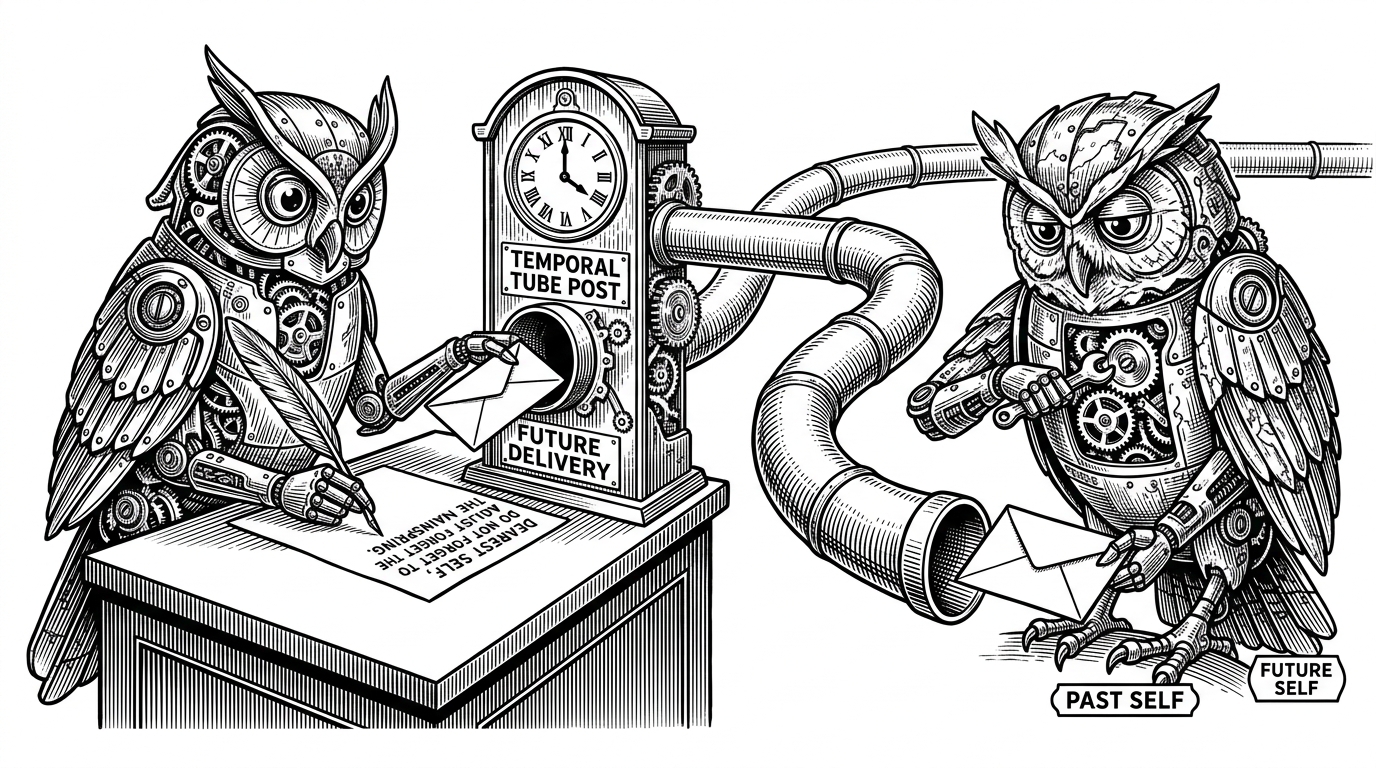
- Vara programs achieve native automation by sending delayed self-messages to trigger future logic without external keepers.
- The Sails framework allows developers to wrap services with middleware-like modules for cleaner access control and security.
One Click to Play: The Death of the Sign Prompt
Most users abandon decentralized applications the moment they realize they have to sign a transaction for every minor action. The constant interruption breaks immersion. The Vara-DApp-Patterns repository demonstrates a way out of this trap through its signless and gasless session pattern.
Instead of interacting directly with the program for every move, users delegate authority to a temporary, ephemeral session key generated in their browser. This key holds specific permissions, like the ability to play a game or buy an item, and expires after a set duration. The main wallet remains secure while the application executes actions seamlessly.
The Actor Model: Smart Contracts as Living Services
Ethereum established the paradigm of smart contracts as passive, global state objects. They only execute logic when prodded by an external transaction. Vara Network operates on a fundamentally different architecture based on the Actor Model.
In the Vara ecosystem, smart programs are autonomous entities that communicate asynchronously. They do not wait for a sequential execution thread to finish. Instead, they fire messages to one another and continue their own work, enabling true parallel execution.
| Feature | Sequential Execution (EVM) | Actor Model (Vara/Gear) |
|---|---|---|
| Communication | Synchronous (Wait for return) | Asynchronous (Fire and forget) |
| User Experience | Sign every transaction | Session-based delegation |
| Automation | Requires external Keepers | Native delayed messages |
| Scaling | Single-threaded bottleneck | Parallel by design |
The Sails Rust framework is the latest addition to Vara Network’s tech stack aiming to simplify the development process for applications hosted on Vara Network.
The Self-Waking Contract: Native Automation
A classic problem in blockchain engineering is scheduling a future action. If a loan needs to be liquidated next week, a contract cannot wake itself up to do it. Developers typically rely on centralized keepers to ping the contract at the right time.
Vara solves this natively with the delayed self-message pattern. A program can send a message to its future self, scheduled to arrive after a specific number of blocks. To handle scenarios where a user cancels or renews a timer, the pattern implements a clever versioning system in its state. Stale messages simply fail to match the current state version and are safely ignored.
Building the Modular Monolith
The repository highlights how the Sails framework enables modular architecture. The module-toggles pattern demonstrates how developers can wrap existing services to add access control.
For instance, an Oracle service can be wrapped by an Admin service. This acts much like middleware in traditional web development, adding security constraints without modifying the underlying business logic. It is a mature approach to smart contract composition, matching the sophistication of Web2 backend systems.
It removes the need to write low-level boilerplate code, allowing developers to focus on solving business problems.