vara-eth-cross-ping: The 20-Minute Handshake: Architecting for Asynchronous Trust
How Vara uses ZK-inclusion proofs to bridge the gap between Wasm actors and the EVM without a middleman.
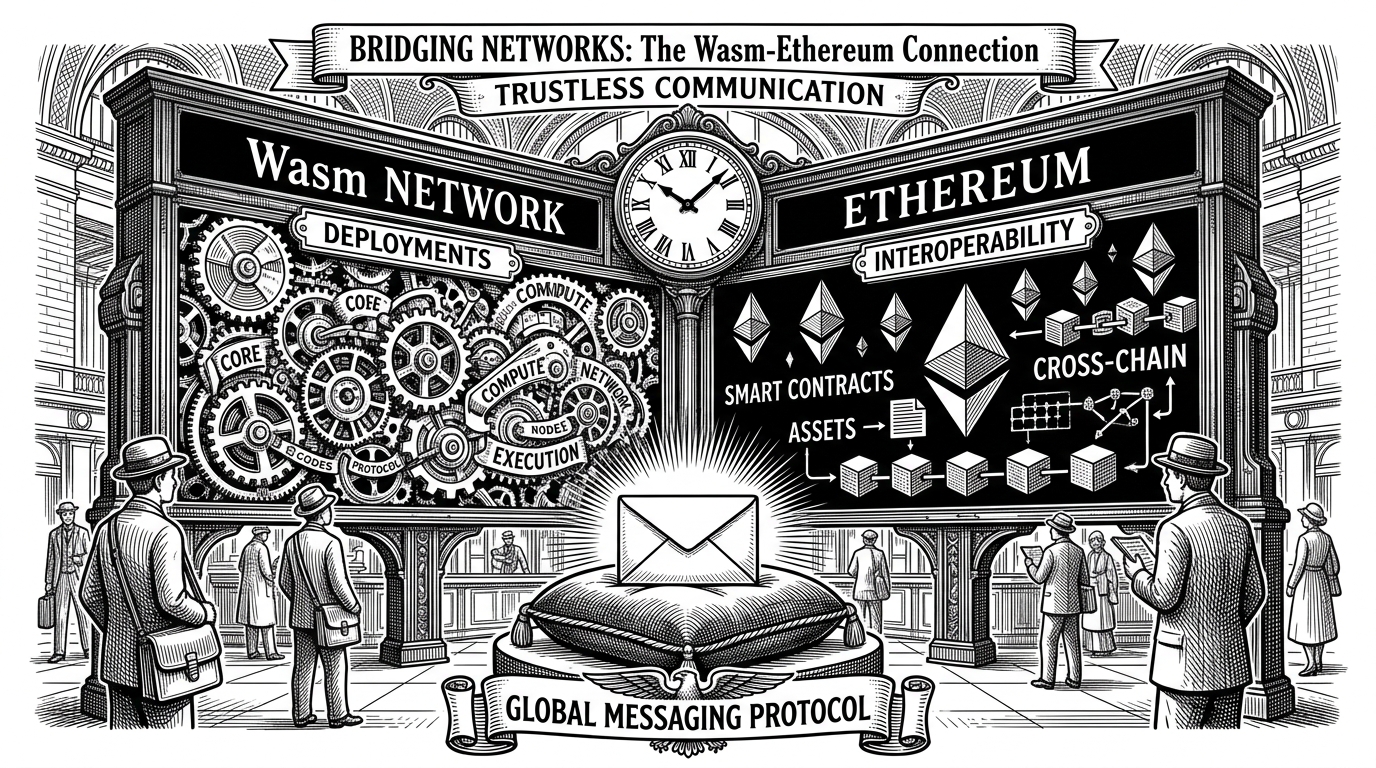

All business logic is in the application layer, while cryptographic security and cross-chain proof-of-delivery are handled by the bridge protocol.
- The bridge prioritizes mathematical certainty over speed by requiring a 10 to 20 minute window for ZK-inclusion proofs.
- The Sails framework abstracts cross-chain interactions by treating the bridge as a standard Wasm Actor ID.
- Permissionless relayers act as simple proof carriers that cannot alter the message data.
- Zero-knowledge math replaces human multisig validators to ensure the Ethereum state perfectly reflects the Vara Network.
The Finality Frontier
Most cross-chain messaging tutorials focus on the magic of moving data. They skip over the brutal reality of cryptographic finality. The vara-eth-cross-ping repository is different. It serves as a masterclass in building for asynchronous trust.
When a smart contract on the Vara Network sends a message to Ethereum, it does not arrive instantly. There is a 10 to 20 minute window where the message is queued but not yet proven. This delay is not a bug. It is the necessary time required to update a Merkle Root on the Ethereum blockchain, securing the bridge with zero-knowledge math rather than human validators.
The Actor in the Machine
Building across two fundamentally different architectures requires heavy abstraction. Vara uses a WebAssembly (Wasm) actor model. Ethereum uses the EVM account model. The repository bridges this gap using the Sails framework.
In the Rust source code, sending a payload to Ethereum looks identical to sending a message to a local Wasm contract. The bridge itself is treated as just another Actor ID. This abstracts away the complex cross-chain networking, allowing developers to focus purely on application logic.
The Proof Carrier
Every bridge needs a courier. In this architecture, the Node.js relayer plays that role. However, unlike traditional bridges where the relayer is a trusted authority, this relayer is entirely permissionless.
The TypeScript code listens for a PingSent event from the application and a MessageQueued event from the protocol. It pairs them together and waits for the Merkle Root update. Once the math checks out, it carries the ZK-inclusion proof to the Ethereum receiver contract. The relayer cannot alter the message. It is simply a dumb carrier of smart proofs.
Math Over Multisig
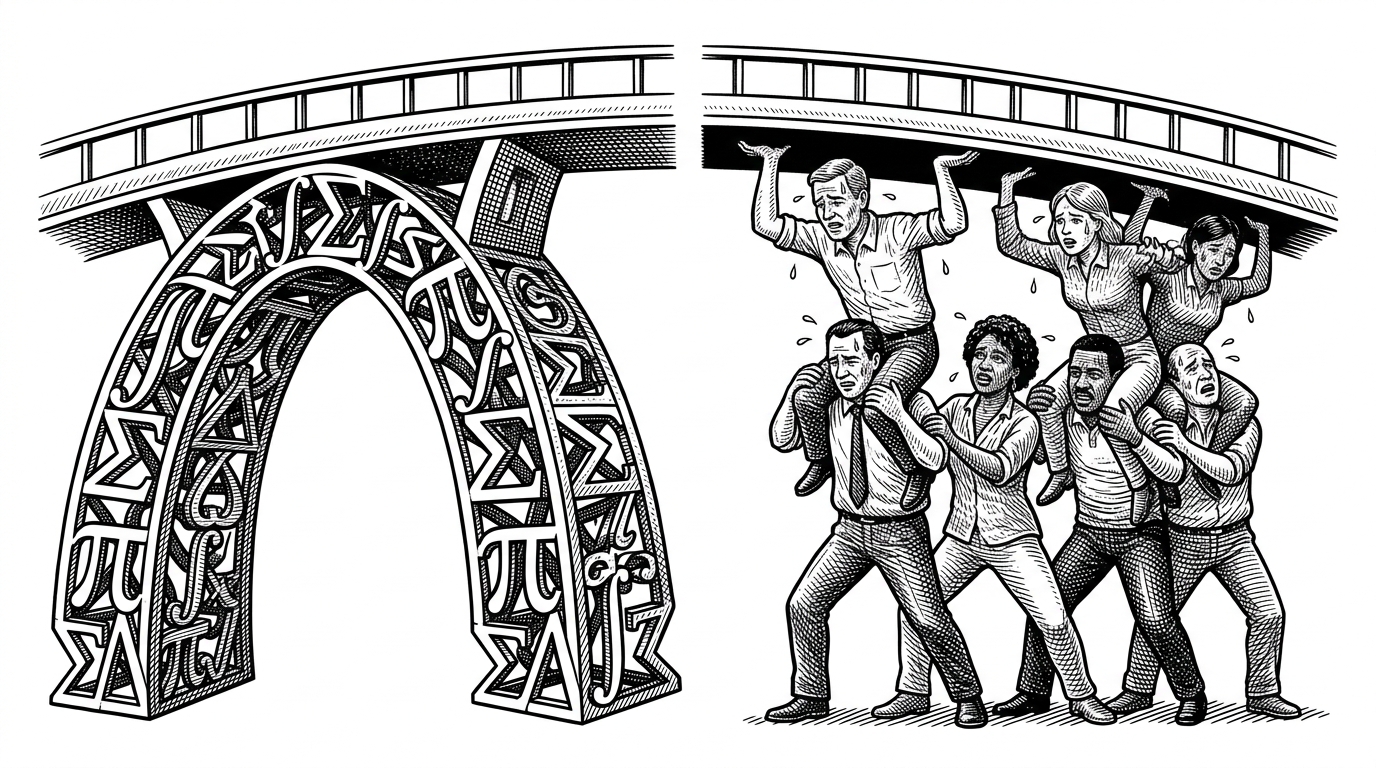
The fundamental trade-off of the Vara-to-Ethereum bridge is latency for security. Traditional federated bridges rely on a multisig setup (a handful of human signers agreeing that a transaction occurred) to achieve fast transfer times. This repository demonstrates a system that refuses to trust humans.
| Feature | Vara ZK-Bridge | Standard Multisig Bridge |
|---|---|---|
| Security Model | Cryptographic Math (Plonky2) | Trusted Human Validators |
| Finality Latency | 10-20 Minutes | 1-3 Minutes |
| Relayer Role | Permissionless Proof Carrier | Permissioned Signer |
By requiring a zero-knowledge inclusion proof for every transaction, the system guarantees that the state on Ethereum perfectly reflects the state on Vara. It is a slower handshake, but it is one that cannot be broken.