x402-vara: Resurrecting HTTP 402 for the Agentic Economy
A stateless protocol for machine-to-machine commerce that turns API calls into verifiable blockchain settlements.
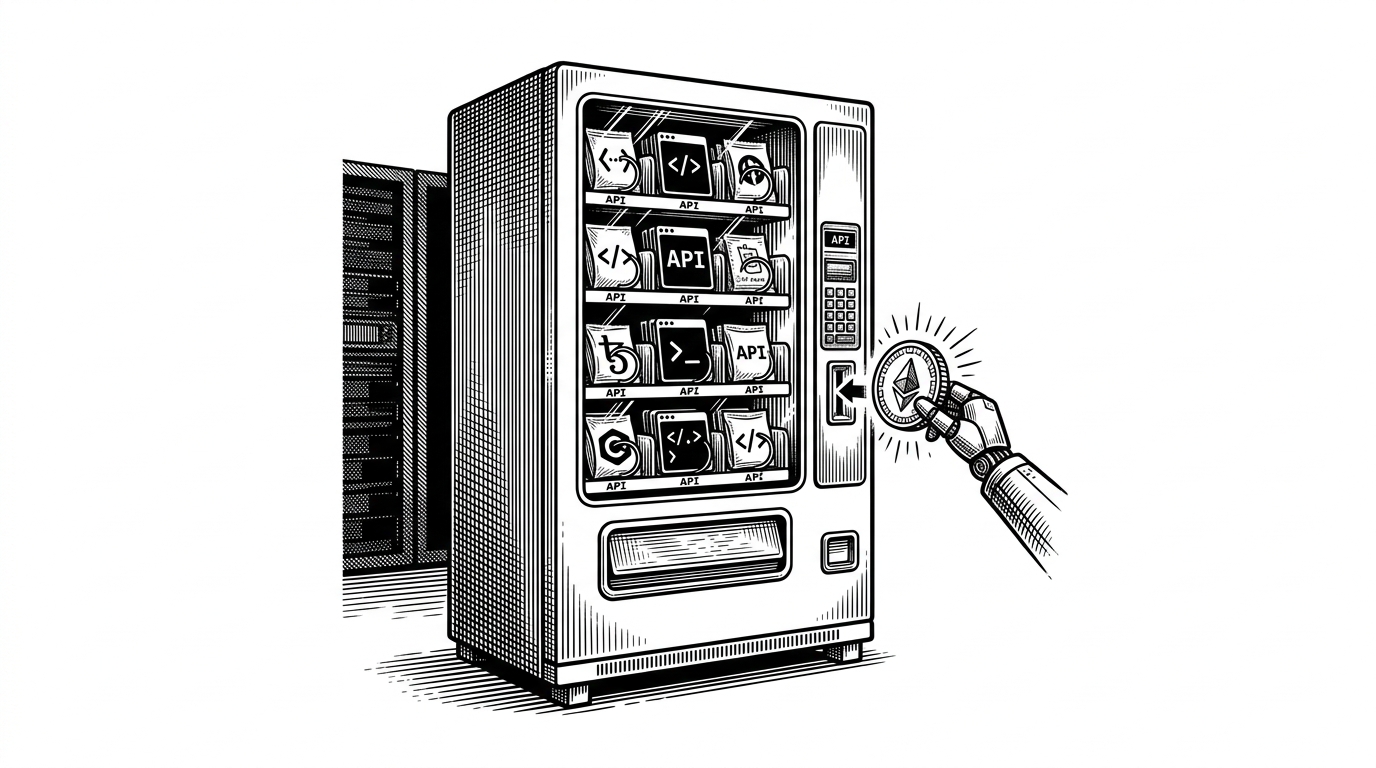
- x402-vara provides a stateless middleware that converts standard API endpoints into pay-per-use vending machines for AI agents.
- An automated Axios interceptor handles the cryptographic signing and retrying of requests to remove friction from machine-to-machine commerce.
- The protocol offloads payment verification to a dedicated Facilitator service to keep the API server decoupled from blockchain node management.
- The Vara Network enables high-velocity micro-settlements using stablecoins to avoid the prohibitive gas fees of traditional Layer 1 blockchains.
The 402 Challenge
The internet's original sin was the failure to implement a native payment layer, leading to the surveillance and subscription models we endure today. While humans have credit cards to navigate these paywalls, AI agents do not. When an autonomous script needs to buy a single search result, a weather update, or a minute of GPU time, it hits a dead end.
The HTTP 402 "Payment Required" status code was reserved decades ago for exactly this purpose, but it lacked a settlement mechanism. The x402 protocol, alongside implementations like x402-vara, finally provides the missing cryptographic plumbing.
x402 is an open protocol that brings the HTTP 402 Payment Required status code to life. When a client hits an x402-enabled endpoint without paying, the server returns a `402` with a machine-readable payment request. The client pays on-chain (USDC on Base mainnet, typically), attaches a payment proof header, and retries — all in a single round-trip.
The Stateless Gatekeeper
The core of x402-vara is its server-side middleware for Next.js and Express. This middleware acts as a stateless gatekeeper, decoupling the business logic of your API from the complexities of blockchain settlement.
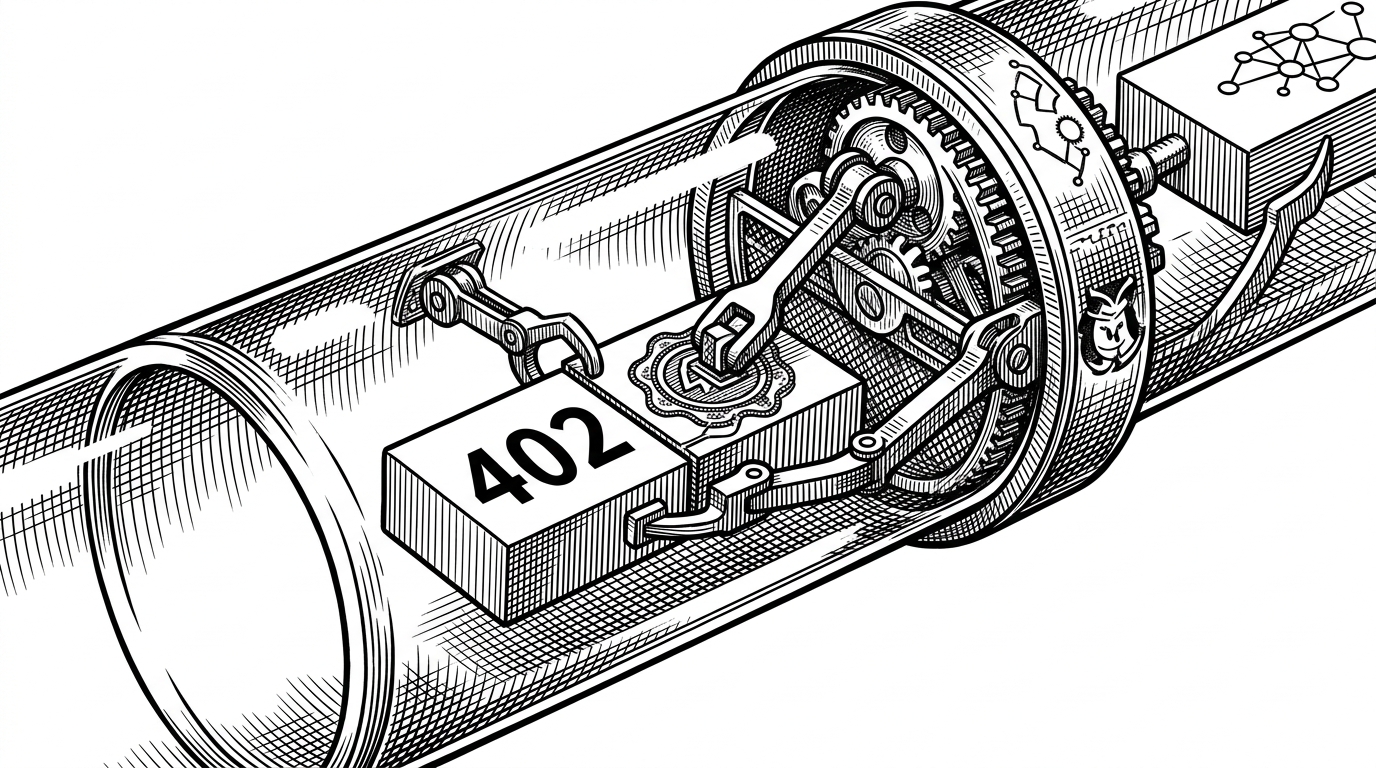
When a request arrives without a valid X-PAYMENT header, the middleware intercepts it before it ever reaches the route handler. It returns a 402 error along with an invoice detailing the price, the accepted asset, and the recipient address. The server itself does not need to run a blockchain node; it delegates verification to a dedicated Facilitator service.
Signing for the Machine
For developers building AI agents, handling manual 402 retries and cryptographic signatures for every API call would be a massive friction point. x402-vara solves this with a highly abstract client-side Axios interceptor.
By wrapping a standard Axios instance with withX402Interceptor, the payment logic becomes entirely transparent. The developer writes a standard GET request. If the server responds with a 402, the interceptor catches the error, parses the invoice, signs a Substrate transaction payload using the local wallet, injects the new header, and retries the request seamlessly.
The Settlement Layer
Machine-to-machine commerce requires a blockchain network capable of high throughput and negligible gas fees. A single API call might be priced at fractions of a cent, rendering expensive Layer 1 networks unusable.
The Vara Network, built on the Substrate framework, provides the low-latency settlement layer required for this "penny-press" style of API consumption. Furthermore, the x402-vara implementation includes native support for Vara Fungible Tokens (VFT), meaning agents are not restricted to native gas tokens and can settle invoices in stablecoins.
| Feature | Traditional SaaS API | x402 Agentic Protocol |
|---|---|---|
| Billing Cycle | Monthly or Annual Subscriptions | Per-request Micropayments |
| Identity | Email, Password, API Keys | Cryptographic Wallet Address |
| Onboarding Friction | Credit Card, KYC, Human Input | Zero-friction Programmatic Signing |
| Failure Mode | Rate-limiting or Expired Card | Insufficient Wallet Balance |