watermarks-remover: The Open-Source Pipeline Built to Scrub AI Provenance at Every Layer
From invisible Unicode characters to C2PA manifests and metadata, this repo treats AI watermark removal as a systems problem, not a text hack.
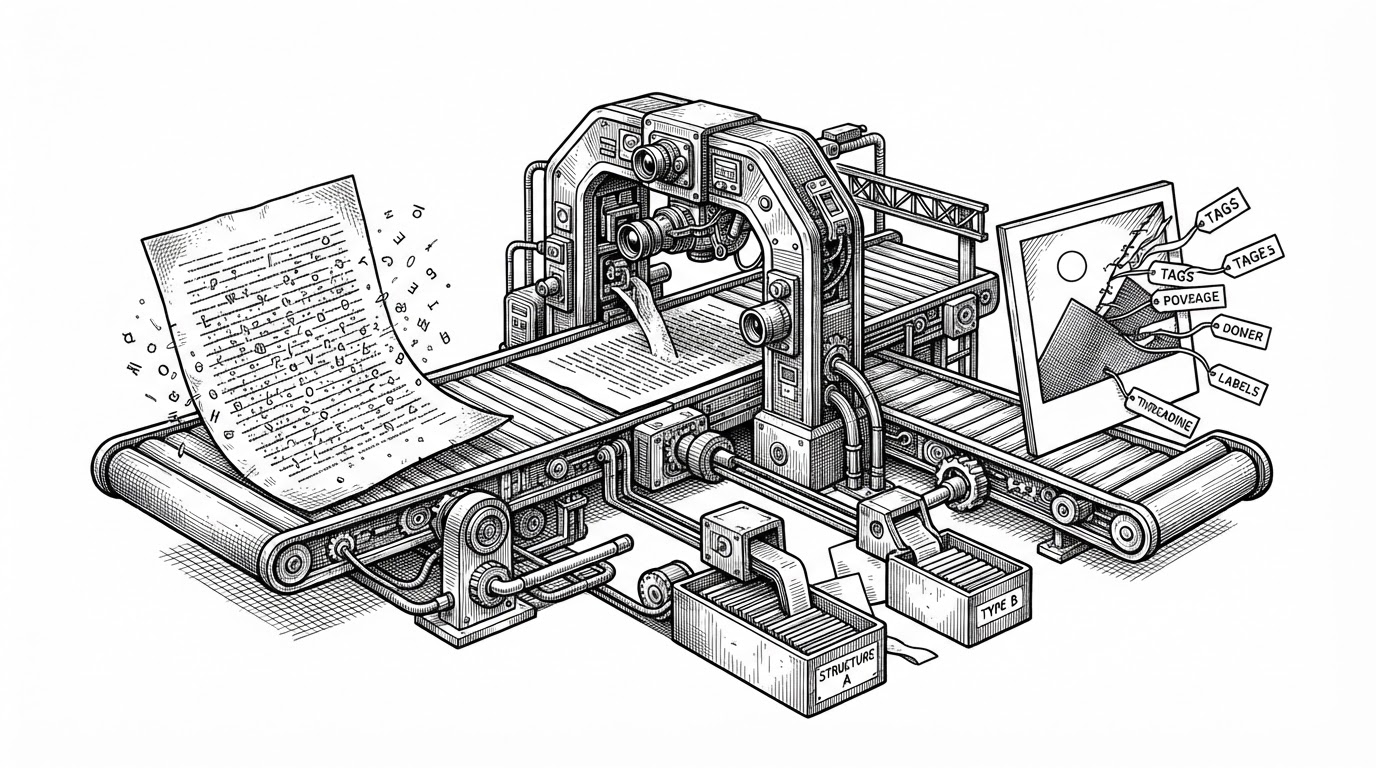
- watermarks-remover treats provenance as a layered contamination problem, so its real strength is routing files through the right cleanup path instead of applying one blunt transform.
- The most interesting code is the dispatcher and Unicode hygiene layer, because those pieces decide what gets scrubbed, what gets preserved, and what gets flagged for review.
- The repo is broader than a CLI utility because it includes service endpoints and agent skills, which makes cleanup part of the workflow for both humans and AI tools.
- Its most honest contribution is not certainty but hygiene, since it can remove many traces of AI provenance without pretending it can defeat every official detector.
The easiest way to misunderstand watermarks-remover is to think it is a watermark eraser. It is closer to a sanitation stack. The repo assumes provenance can live in text, file metadata, or format-specific structure, and it routes each layer through a different cleanup path.
A New Kind of Cleanup Job
That matters because AI marks are not all the same kind of mark. Some are invisible Unicode characters. Some are statistical patterns in generated text. Some sit in EXIF, XMP, or C2PA payloads inside images and documents. A single-purpose scrubber can clean one layer and leave the others intact.
Until vendors ship public detectors and keys, no tool can honestly certify this fails the official check.
What watermarks-remover Actually Removes
The repo divides the problem into three practical jobs. First, it cleans Unicode text: zero-width characters, bidirectional controls, space homoglyphs, and other invisible markers. Second, it exposes hooks for statistical rewrite workflows. Third, it strips file-level provenance from common formats such as PNG, JPEG, SVG, PDF, DOCX, HTML, and Markdown.
| Layer | What it targets | Why it matters |
|---|---|---|
| Unicode hygiene | Zero-width marks, bidi controls, homoglyphs | These marks can hide in plain sight and survive copy-paste. |
| Statistical rewrite | Token-pattern fingerprints and model-specific hooks | These marks are harder to prove, so the tool offers a workflow rather than a magic bullet. |
| Metadata cleanup | C2PA, EXIF, XMP, and related container data | These traces can survive even when the visible content looks clean. |
Why the Dispatcher Is the Real Backbone
The architectural insight in the repo is that routing comes before cleaning. The dispatcher in format_dispatch.py uses both extension matching and content sniffing, so a file is not treated as text just because its suffix is missing or misleading. That reduces the risk of mangling a binary file with a text-only pass.
That may sound unglamorous, but it is the difference between a utility and a system. The repo is making a judgment before it acts. If the file type is ambiguous, it does not bluff.
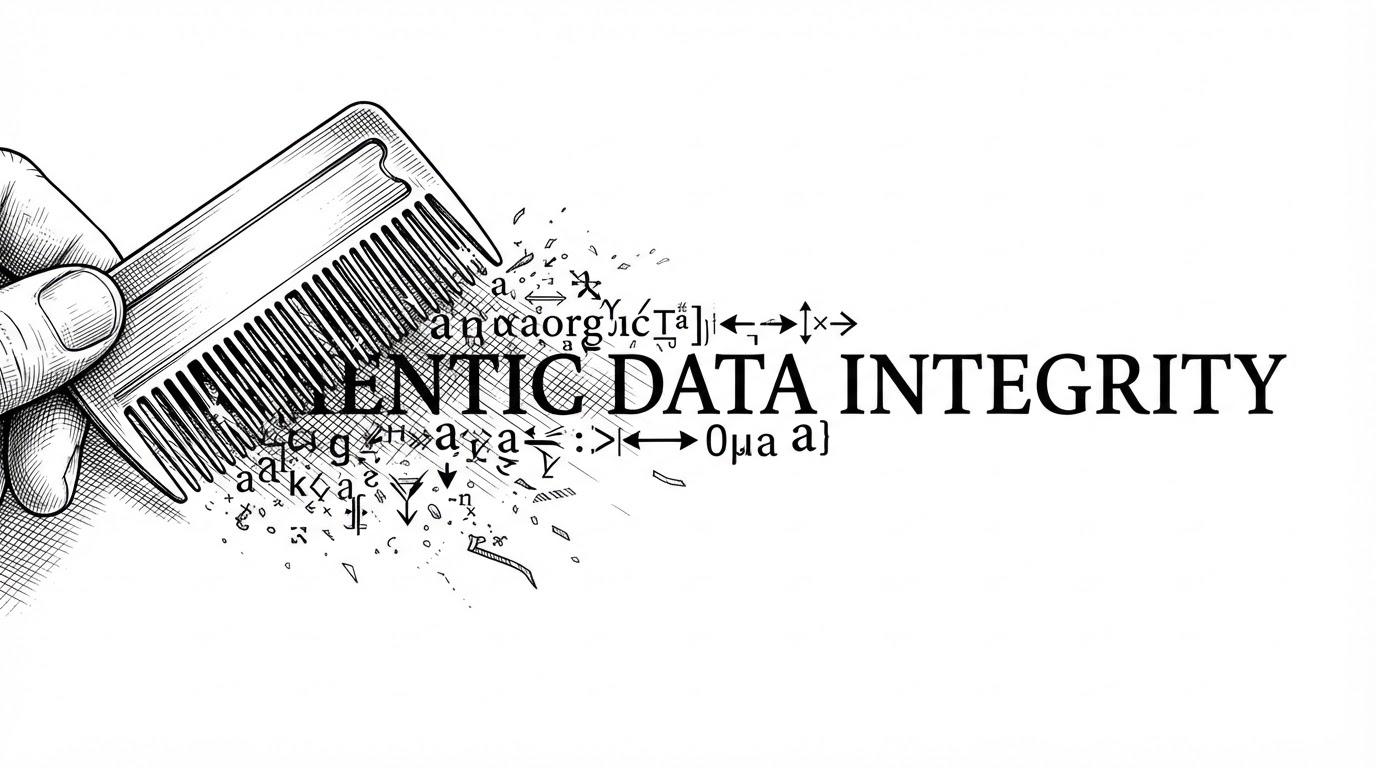
Unicode Hygiene Is the Most Elegant Part
`text_unicode.py` is where the project feels most disciplined. Instead of relying on vague heuristics, it enumerates the code points it wants to strip or normalize. That includes zero-width characters, space-like homoglyphs, and aggressive confusable handling when the user wants a stronger pass.
The upside is predictability. The downside is that aggressive normalization can change meaning if you use it carelessly. The repo’s value is that it makes that trade-off explicit instead of hiding it behind a single button.
Metadata Removal Without False Confidence
The metadata layer is more mature than a simple delete-all pass. In `image_meta.py`, the inspection logic does not just remove markers. It also checks for residual traces and reports whether the file still carries signs of provenance after cleaning. That is a better definition of “done” than blind deletion.
It is also where the repo’s pragmatism shows. A clean-looking file can still contain leftover provenance in a container block. The tool does not pretend visibility equals purity.
Why Agents Change the Shape of the Tool
The `skills/` layer changes the audience. This is not only for a developer at a terminal. It is also for AI tools that need to clean up after themselves inside workflows like Claude Code or Cursor. That makes the project feel less like a CLI and more like a policy layer for agent output.
use the lossless path — Layer A Unicode scrub plus the file metadata cleaners — and keep the original prose.
| Tool shape | Strength | Blind spot |
|---|---|---|
| Text-only scrubber | Fast at removing invisible marks | Misses file-level provenance |
| Metadata-only tool | Good at cleaning containers | Leaves Unicode and text fingerprints behind |
| Agent-aware pipeline | Fits human and AI workflows | Still cannot prove it beats a vendor detector |
How It Compares to Narrower Tools
Compared with single-purpose alternatives, the repo’s advantage is breadth plus integration. Tools like C2PA-focused removers are good at image manifests. Text-only cleaners are good at Unicode hygiene. `watermarks-remover` is trying to sit above both by acting as a routed hygiene pipeline.
That makes the project useful in a different way. It is not competing on one perfect algorithm. It is competing on how many places a mark can hide, and whether the workflow can catch them before output leaves the machine.
The Trade-Off: Hygiene, Not Guarantees
The repo is strongest when it stays honest about what it can do. It can scrub visible markers, strip many metadata traces, and reduce the risk of obvious provenance leftovers. It cannot promise to defeat every future detector or proprietary signal buried in model output.
That limitation is not a flaw in the article. It is the point. The project is best understood as hygiene infrastructure for the AI era, built for layered cleanup rather than magical erasure.