The 26KB Monolith: Inside innergclaw/creative-license
How a zero-dependency, single-file web application bypasses modern build tools to generate high-fidelity digital credentials.
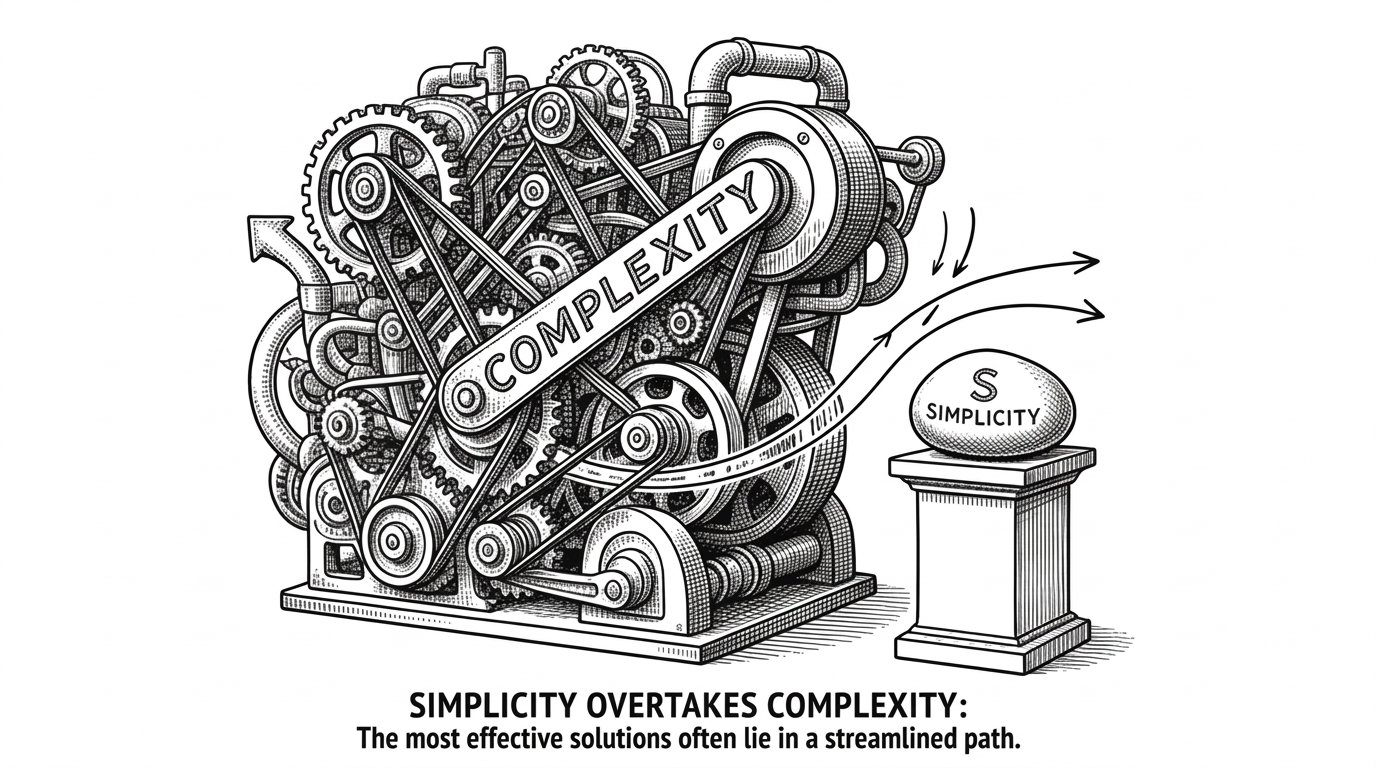
- The repository consolidates structure, logic, and styling into a single 26KB HTML file without external dependencies.
- Native browser features like CSS flexbox and design tokens replace heavy UI frameworks and rendering libraries.
- The tool prioritizes visual identity for creative operations over the plain-text output of traditional license generators.
- This self-contained architecture ensures long-term portability and resilience against the deprecation of modern build tools.
The Zero-Dependency Monolith
In an ecosystem where deploying a simple landing page often requires a massive dependency tree and a complex build pipeline, the innergclaw/creative-license repository takes a radically different approach. It delivers a complete, highly styled, interactive credential generator in a single 26-kilobyte HTML file. It is a masterclass in zero-dependency architecture.
The entire application lives within index.html. There is no backend server, no package manager, and no external directory structure. The structure, the visual styling, and the generation logic are tightly coupled into one monolithic frontend artifact. This extreme constraint forces the developer to rely entirely on native browser capabilities rather than reaching for third-party libraries.
:root {
  --gold: #D4AF37;
  --green: #2E8B57;
  --bg-card: #1A1A1A;
  --font-ui: 'Inter', sans-serif;
  --font-data: 'JetBrains Mono', monospace;
}
By defining a robust set of CSS design tokens directly in the document root, the project establishes a premium aesthetic without importing heavy UI frameworks. The variables handle the color palette and typography, ensuring that the visual identity remains consistent across the dynamic inputs.
The Browser as a Layout Engine
Generating high-fidelity digital cards usually involves complex HTML5 Canvas libraries or server-side image rendering. This project discards both approaches. Instead, it uses the browser itself as the primary layout engine for the final asset.
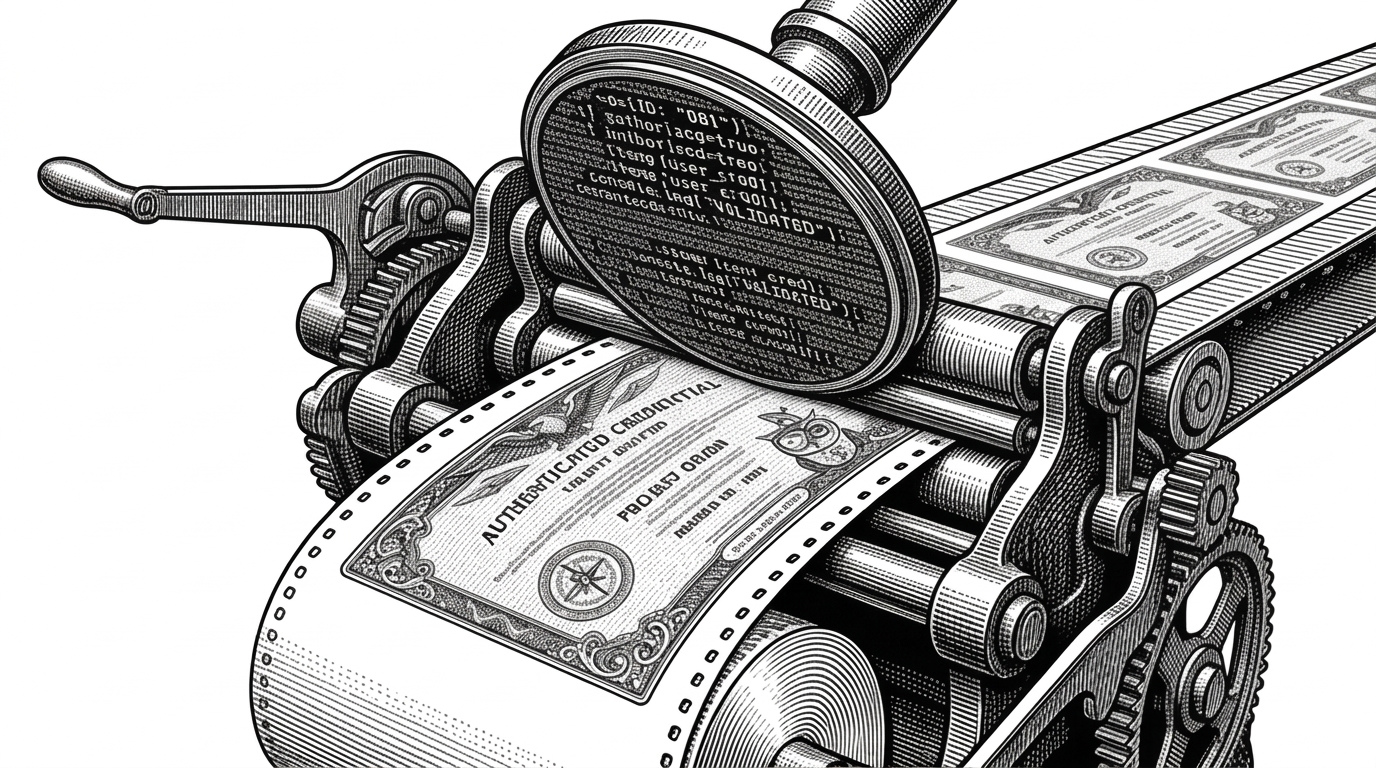
The application relies on raw CSS features like flexbox, linear gradients, and box shadows to create a skeuomorphic credential card. The layout is strictly constrained to a fixed width. This deliberate choice ensures that when the user is ready to export the license, the aspect ratio and typographic hierarchy remain perfectly intact regardless of the device screen size.
The typography is handled with equal precision. By mixing specific font families for different data types, the design mimics the formal, secure look of a physical identification card. Sans-serif fonts handle the user interface, monospace fonts display technical serial numbers, and serif fonts provide the legal aesthetic for the license text itself.
Visual Credentials vs. Legal Text
Most open-source license generators focus on software repositories. Tools in this space typically execute via the command line to fetch the latest plain-text version of an MIT or Apache license and drop a markdown file into a project root. They automate legal text, not visual identity.
The innergclaw/creative-license tool addresses a completely different niche. It targets creative operations and AI dataset permissions, generating a visual, shareable artifact rather than a hidden text file. It bridges the gap between rigid legal structures and the need for creators to clearly signal their usage rights in a highly visual medium.
| Feature | Traditional CLI Generators | innergclaw/creative-license |
|---|---|---|
| Output Format | Plain text or Markdown file | High-fidelity visual card |
| Execution Environment | Node.js or Python CLI | Native Web Browser |
| Payload Size | Megabytes (with dependencies) | 26 Kilobytes (Single File) |
| Primary Use Case | Software repository compliance | Creative-Ops and dataset signaling |
The Portability Advantage
The ultimate benefit of the 26-kilobyte monolith is absolute portability. There is no environment to configure and no build step to fail. The single HTML file can be hosted on GitHub Pages, shared as a raw text snippet, or simply dragged from a local desktop directly into a browser tab.
This approach aligns with the growing Small Web movement, which prioritizes resilient, user-owned software over complex, fragile stacks. By embedding the CSS, the logic, and the structure into one portable document, the developer ensures that the tool will continue to function flawlessly for decades, long after current JavaScript frameworks have been deprecated.
Sources:
- Repository: innergclaw/creative-license
- Related concept: OverType minimalist editor architecture