The Anti-Framework Empire: Unpacking jgraph/drawio
How a refusal of modern JavaScript trends, a strict "No PRs" policy, and an obsession with client-side execution built the web's most resilient diagramming engine.
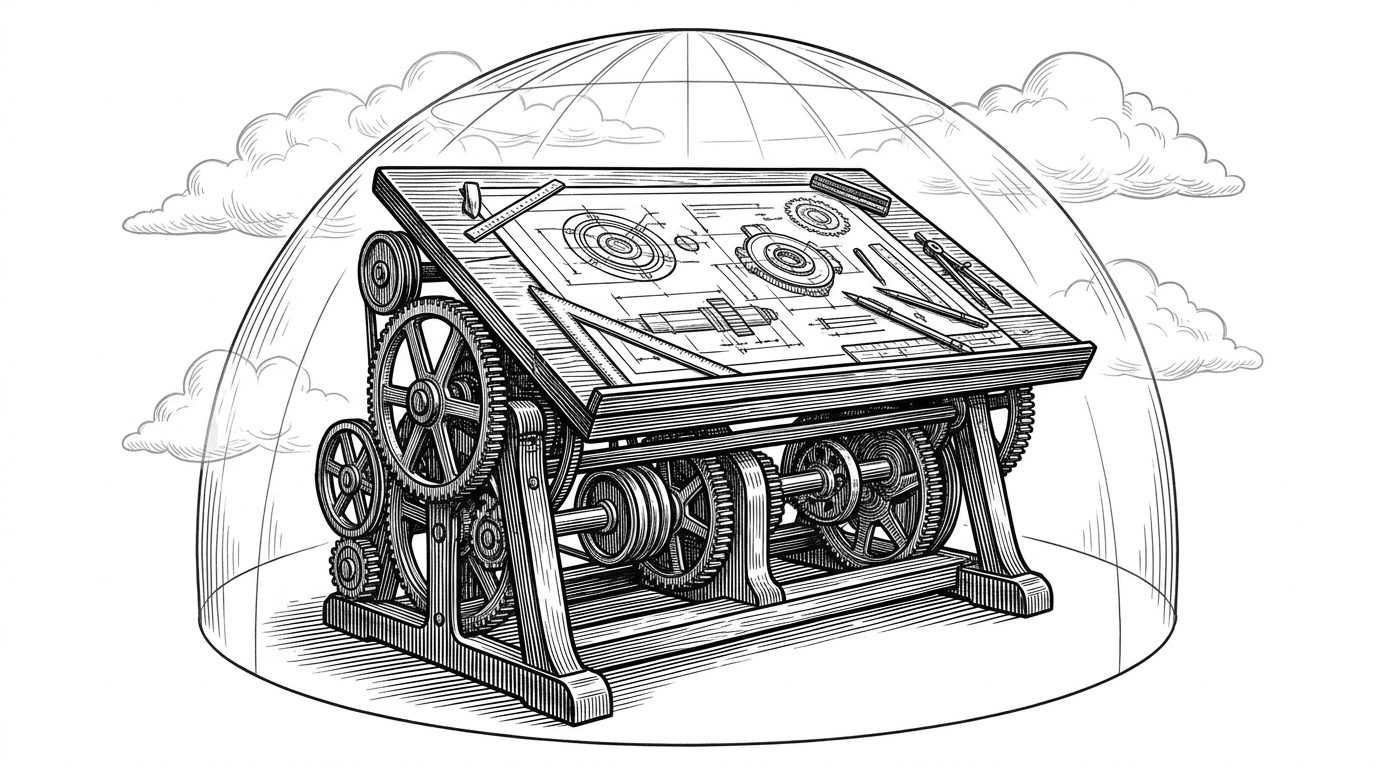
- The project explicitly rejects community pull requests to maintain absolute security and architectural control over its massive codebase.
- Its 14MB client relies entirely on vanilla JavaScript and the Apache Ant build system, deliberately ignoring modern framework churn.
- A zero-knowledge client-side architecture ensures user data never touches draw.io's servers, utilizing cloud providers solely for storage.
- A dedicated Java proxy layer handles the complex CORS and SSRF protections required to make a purely client-side application function.
The Source-Available Fortress
For a repository with tens of thousands of stars, the most striking feature of jgraph/drawio is its governance model. It operates as a closed door. The project is open source by license, but it is definitively not community-driven. The core team develops the product in public, but they do not build it by committee.
This approach flies in the face of conventional open-source wisdom. By rejecting outside code, the maintainers prioritize absolute security, codebase integrity, and a unified product vision over community expansion. It is a pragmatic choice for a tool trusted by enterprise security teams globally.
Surviving the Framework Wars
Take a look inside the repository and you will find an architecture that looks like a time capsule. There is no React, no Vue, and no Webpack. The core engine is built on over 14 megabytes of vanilla JavaScript. The build system is powered by Apache Ant, a tool that peaked in popularity over a decade ago.
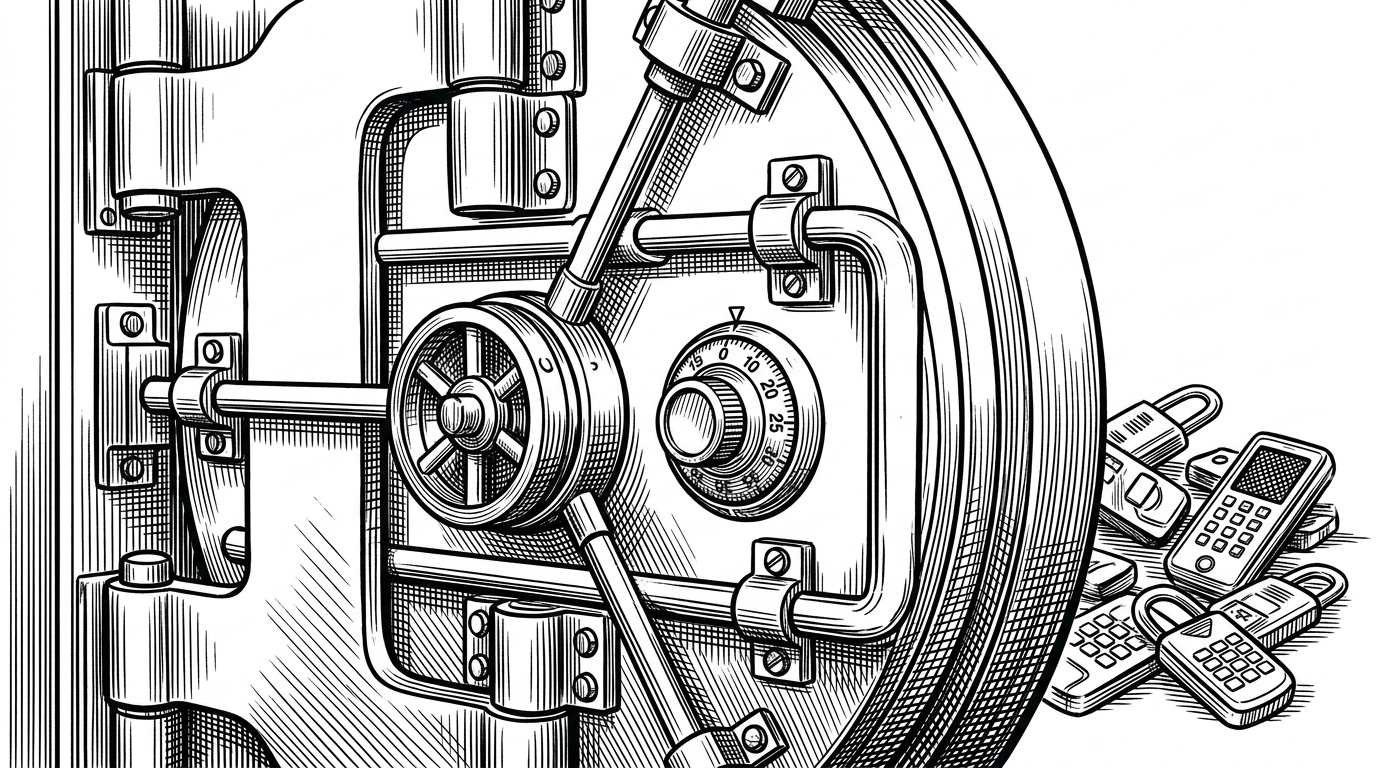
This anachronistic stack is exactly why the tool survives. By ignoring the endless churn of modern JavaScript frameworks, the engineering team spends zero time migrating between major versions or dealing with dependency hell. The codebase is highly optimized for performance, ensuring the editor runs smoothly even on strictly constrained legacy hardware.
The Zero-Knowledge Canvas
The defining technical feature of diagrams.net is its execution model. Unlike modern SaaS whiteboards that require an account and store data on proprietary servers, draw.io runs entirely within the user's browser. It is a zero-knowledge application.
When a user saves a diagram to GitHub or Google Drive, the draw.io servers never see the contents of the file. They only facilitate the OAuth handshake. The actual XML payload travels directly from the browser's memory to the third-party storage provider.
Engineering the Java Proxy
If the app is purely client-side, why does it have a Java backend? The answer lies in the strict security model of modern web browsers. To load external resources like images or custom fonts into a local canvas, the application must bypass Cross-Origin Resource Sharing (CORS) restrictions.
This is handled by a dedicated proxy layer. Inside src/main/java/com/mxgraph/online/ProxyServlet.java, a sophisticated set of Server-Side Request Forgery (SSRF) protections ensures that the proxy cannot be abused to scan internal networks. It is a hardened gateway designed to serve a single purpose securely.
// Example of SSRF protection logic in the proxy
if ("draw.io".equals(ua)) {
    throw new UnsupportedContentException();
}
Utils.sanitizeUrl(urlParam);
The Anti-SaaS Alternative
The market is flooded with polished, venture-backed visual collaboration tools. Against competitors like Miro, draw.io sacrifices built-in real-time collaboration and cloud-native polish. In exchange, it offers absolute privacy, offline capability, and zero vendor lock-in.
One thing I disliked the most about Miro was the constant onboarding screens and pop-ups urging me to get a subscription, whereas Draw doesn’t have that.
This brutalist, functional architecture has secured its place as the default diagramming tool for engineers. It proves that sometimes, the best way to build a resilient product is to ignore the rest of the industry entirely.
| Feature | draw.io | Miro | Microsoft Visio |
|---|---|---|---|
| Execution Model | Strict Client-Side | Cloud / Server-rendered | Desktop / Cloud hybrid |
| Data Storage | Bring-Your-Own (Zero-Knowledge) | Proprietary Cloud | OneDrive / Local |
| Tech Stack | Vanilla JS + Ant Build | React / Canvas | C++ / Web |
| Contribution Model | Open Source (Closed PRs) | Closed Source | Closed Source |