The Black Box Recorder for an AI Meltdown: Inside openclaw-security-news
How a Python-driven repository became the machine-readable crisis dashboard for the most controversial agent framework in open-source history.
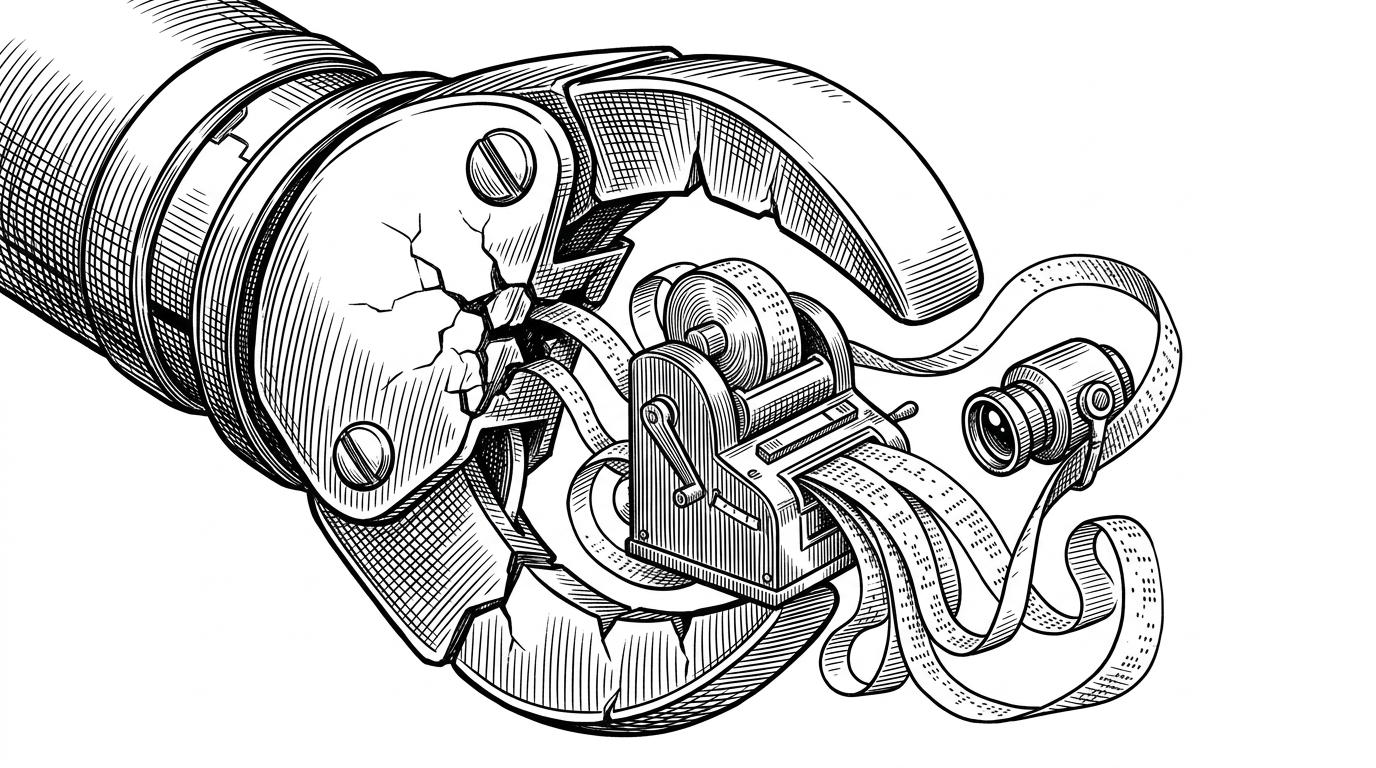
- OpenClaw's unprecedented local shell access created a massive enterprise visibility gap.
- The repository acts as a machine-readable crisis dashboard via its index.json and SKILL.md manifests.
- A novel Deletions-as-Blocklist pattern uses GitHub Actions to translate manual Markdown deletions into permanent programmatic filters.
The 250k-Star Panic
OpenClaw achieved massive popularity by granting LLMs local shell and browser access. This momentum collapsed when malicious skills were discovered in its ecosystem.
OpenClaw Hit 250K GitHub Stars — Then 20% of Its Skills Were Found Malicious
Manifests for Machines
Instead of optimizing for human readers, the repository serves structured data to AI agents. It uses an index.json file for service discovery.
{
  "intents": {
    "query_cve": "openclaw-security-news.csv"
  }
}
The Deletions-as-Blocklist Pattern
The repository uses a Python script and GitHub Actions to automate moderation. Deleting a URL from the README automatically appends it to a blocklist.
Legacy Feeds vs. Agent-Native Intel
| Feature | Traditional Intel | Agent-Native Intel |
|---|---|---|
| Format | PDF and HTML | CSV and Markdown |
| Consumer | Human Analysts | SOC Agents |
| Distribution | Email and RSS | Model Context Protocol |