dify-docs-mcp-server: The Great Decoupling: Inside the Dify Docs MCP Server
How a minimalist JavaScript shim turns static OpenAPI specs into a live, executable command center for AI agents.
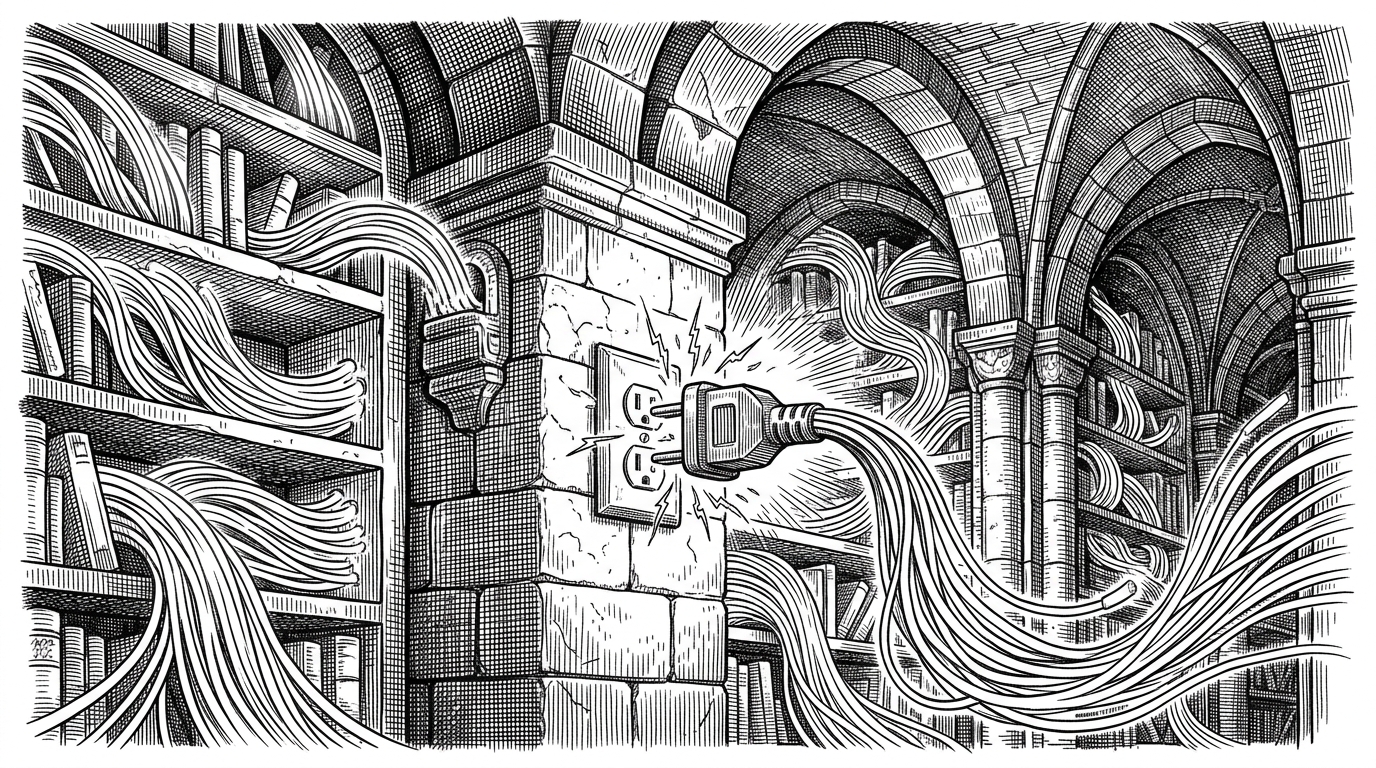
- The server dynamically generates executable tools by mapping OpenAPI manifests directly to JavaScript functions.
- A strict Zod validation layer forces LLM outputs to match API schemas before any network request occurs.
- The architecture secures sensitive credentials by injecting authorization headers locally rather than exposing them to the model context.
- The system evolves documentation from a passive text resource into an active operational surface for autonomous agents.
The Server That Writes Itself
Most Model Context Protocol (MCP) servers are entirely static. Developers manually write out the schemas and functions for every tool they want to expose to an AI agent. The Dify Docs MCP server takes a radically different approach.
It acts as a metamorphic API translator. Instead of hardcoding tools, the server ingests an OpenAPI manifest and dynamically generates its own executable tools on the fly.
By iterating through a tools.json manifest, the server maps raw JSON schemas directly to executable JavaScript functions. This architecture allows the server to adapt instantly whenever Dify updates its API documentation, requiring zero manual code intervention.
From Tokens to Transactions
The traditional Retrieval-Augmented Generation (RAG) model is highly passive. An LLM reads a snippet of documentation, summarizes the steps, and leaves the actual execution to the human user.
The Dify Docs server shifts the paradigm from reading to acting. It transforms passive documentation into an active operational surface.
| Standard RAG | Dify MCP |
|---|---|
| LLM searches vector database | LLM searches documentation |
| LLM reads a text snippet | LLM identifies an executable API tool |
| LLM summarizes the findings | LLM formats a structured JSON payload |
| User manually executes the action | System automatically executes the API call |
The Zod Safety Valve
Giving an LLM the keys to execute live API calls introduces significant risk. Hallucinated parameters or improperly formatted JSON payloads can easily crash downstream systems. To mitigate this, LangGenius built a strict safety valve.
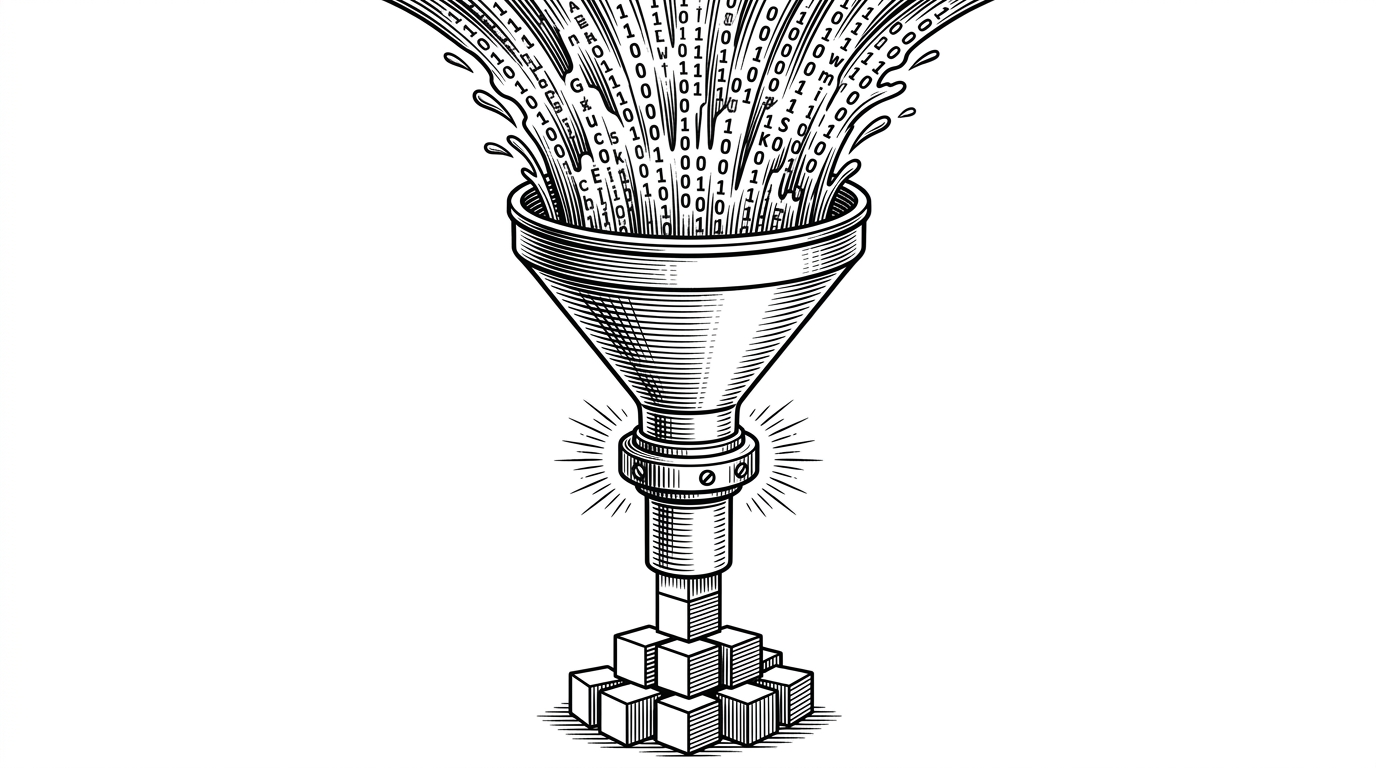
A dedicated module converts custom OpenAPI schemas into strict Zod validators. Before any tool executes, the LLM's input is forced through this validation layer.
const schema = dataSchemaToZod(operation.parameters);
server.tool(
  name,
  description,
  schema,
  async (params) => executeApiCall(params)
);
If the input fails validation, the server catches the error before it hits the network and returns a clear instruction string, forcing the LLM to correct its own payload.
The Security Handshake
Authentication presents a persistent challenge in agent workflows. The LLM needs the authority to make authenticated requests, but exposing raw API keys directly to the model's context window is a severe security vulnerability.
The Dify Docs server solves this by acting as an opaque middleman. It maps environment variables to API headers internally. The LLM formats the request body, but the server silently injects the authorization headers locally. The agent never sees the secret.
DocShark is a fast, local-first Model Context Protocol server that scrapes, indexes, and serves documentation from any website. It turns documentation into a local knowledge base that your AI tools can search instantly, without depending on a cloud service or an API key.
While alternatives prioritize scraping public knowledge for local search, the Dify Docs server is built for deep, authenticated integration. It represents a fundamental shift in how we treat documentation. It is no longer just a manual for human developers; it is the control plane for autonomous agents.