Inside langgenius/dify-plugin-sdks: The SDK That Lets Plugins Call Home
A Python boundary layer for manifests, transports, and reverse invocation, built so Dify plugins behave like recursive mini-agents instead of one-way add-ons.
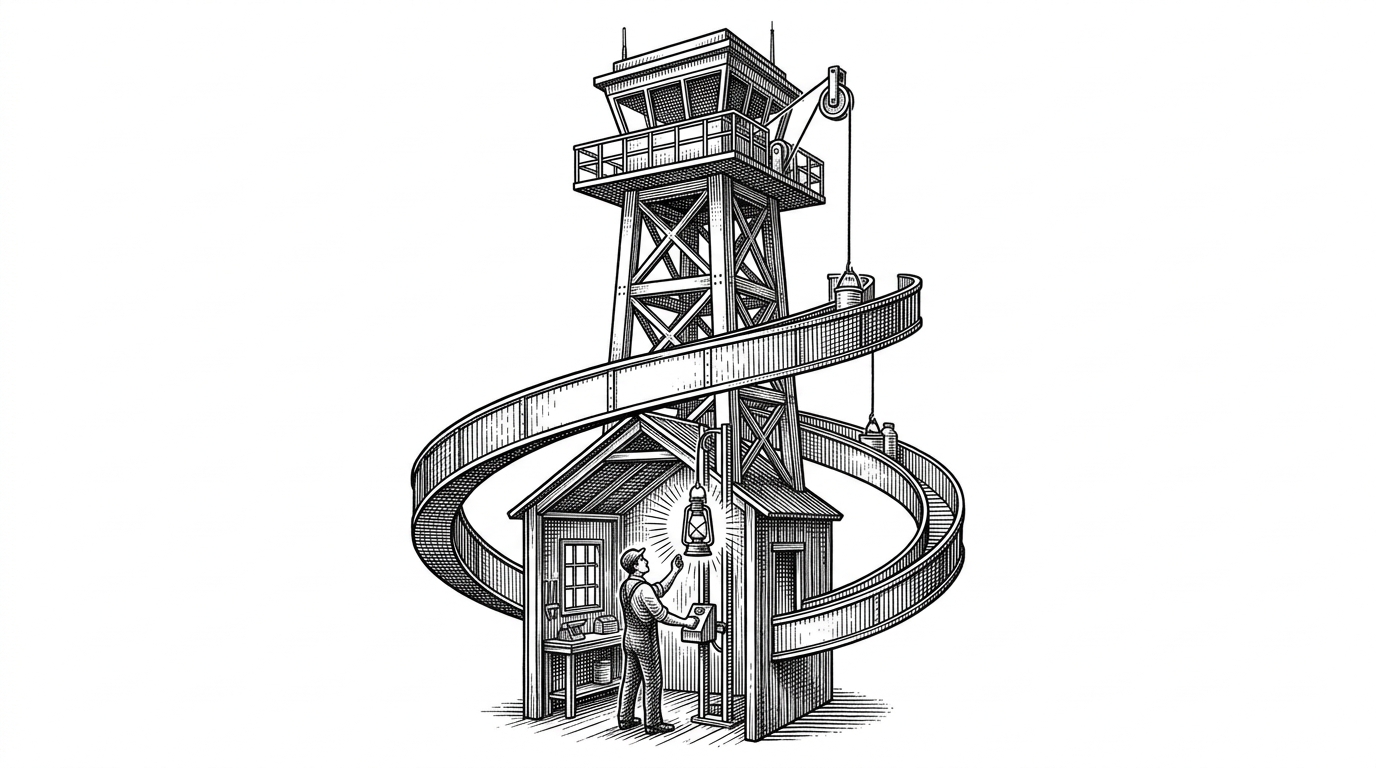
- The SDK is really a contract for recursion, because it lets a plugin call back into Dify and use the host platform from inside its own execution path.
- Manifest versioning is the true compatibility layer, since it protects both the plugin and the platform as Dify changes underneath it.
- Transport-agnostic execution makes the same plugin usable over stdio, TCP, or serverless paths without changing the core plugin logic.
- Dify's plugin layer is tuned for governed extensibility, not generic agent freedom, which is why the SDK feels more like infrastructure than a convenience wrapper.
The plugin that can call home
At first glance, langgenius/dify-plugin-sdks looks like a standard Python SDK for extending a platform. That misses the point. The interesting move is that a plugin is not trapped on the outside of Dify. It can ask the host platform for help, which turns the extension boundary into a two-way relationship.
That changes the mental model. A plugin is no longer just a wrapper around an external API. It can become a small, composable participant in Dify's own orchestration stack, using the platform's models and workflows from inside its own run.
I noticed the existing Firecrawl tool plugin (`tools/firecrawl/`) uses a hand-rolled API client (`firecrawl_appx.py`) and is pinned to `dify_plugin==0.0.1b65`, which is below the current `>=0.3.0,<0.6.0` requirement.
Why the manifest matters more than the code
The manifest is where the real contract lives. The repository's version fields, especially `meta.version` and `meta.minimum_dify_version`, are doing more work than a pile of decorators ever could. One protects the plugin's manifest compatibility. The other tells the host which Dify features the plugin can safely expect.
That matters because plugin ecosystems fail at the edges. If the platform moves faster than the plugin, or the plugin expects a newer host than it actually has, the whole experience fractures. Dify is trying to keep that fracture line out of the developer's face.
meta:
  version: 0.0.2
  minimum_dify_version: 1.4.0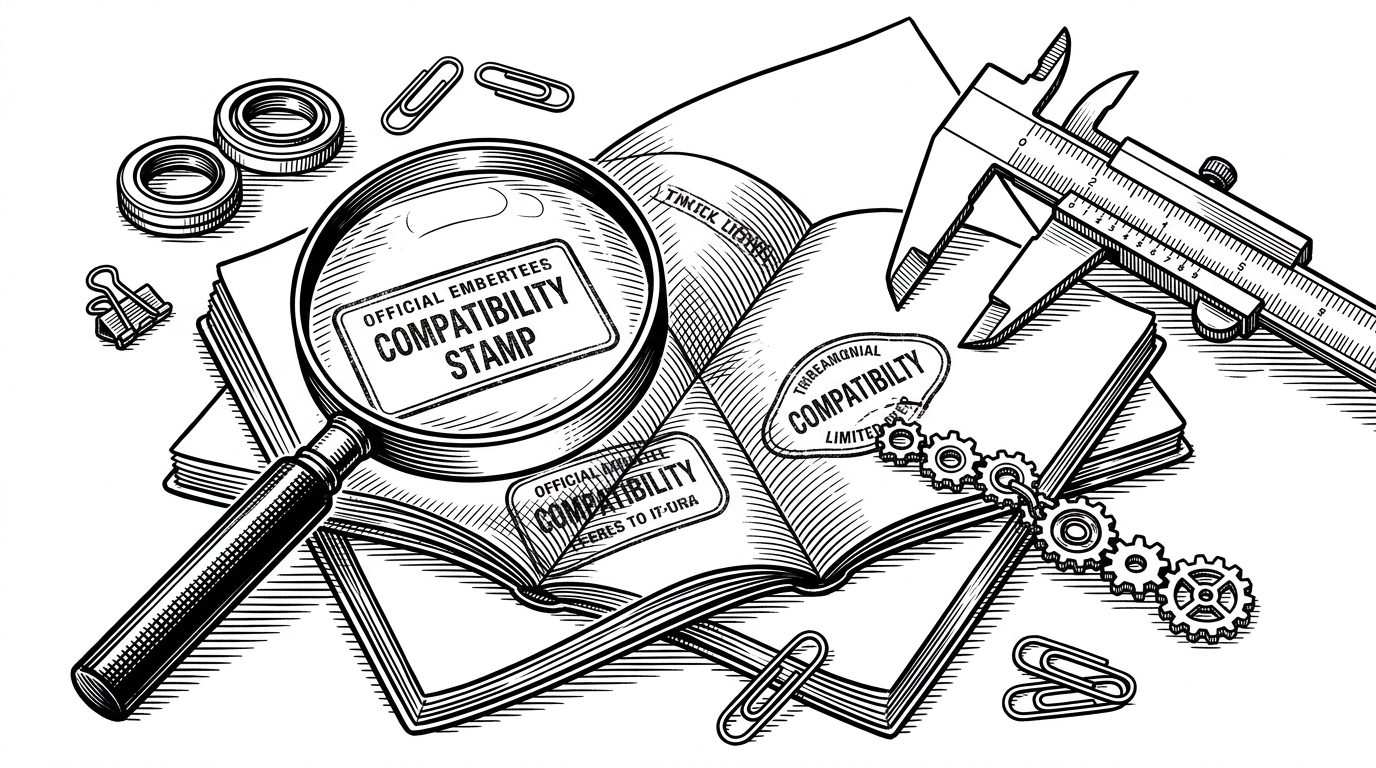
How the SDK stitches YAML, Python, and transport together
Under the hood, the flow is straightforward but disciplined. `manifest.yaml` describes the plugin. `PluginRegistration` resolves the declared classes. `PluginExecutor` dispatches the request. The `Session` object carries context like user and session state, and that same session can be used to make a reverse call back into Dify's models.
That reverse call is the real hinge. Inside a plugin, `self.session.model.llm.invoke(...)` flips the usual direction of travel. The plugin is still isolated, but it is not blind. It can lean on Dify's own model plumbing while staying inside the plugin runtime.
The transport layer matters for the same reason. The SDK is built to run over stdio, TCP, or serverless paths, so the plugin can stay portable while the deployment model changes around it. That is not just convenience. It is what lets Dify treat plugins as infrastructure rather than special cases.
Why this is not LangChain or Flowise
The comparison is useful because it clarifies the job. LangChain and Flowise are excellent at helping you assemble AI behavior. Dify plugin SDK is different. It packages behavior for a platform that already has its own runtime, permissions, workspace context, and compatibility rules.
| Project | Primary abstraction | Main trade-off |
|---|---|---|
| Dify Plugin SDK | A versioned plugin contract with reverse invocation and transport choices | Less freeform, more governed |
| LangChain / LangGraph | General-purpose agent and tool composition | Maximum flexibility, more assembly work |
| Flowise | Visual LLM flow building on JavaScript and TypeScript | Fast prototyping, tighter ecosystem fit to its own stack |
That difference is the whole story. Dify is not trying to win by being the broadest framework. It is trying to be the stable host for a plugin ecosystem that can survive upgrades, feature growth, and a lot of integration pressure without collapsing into one-off glue code.
The ecosystem bet
The smartest thing about this SDK is not the individual APIs. It is the shape of the boundary they create. Once a plugin can call home, and once the manifest says exactly what version of home it understands, Dify gets something bigger than extensibility. It gets a controlled recursive system.
That is a strong bet. It says the future of plugin ecosystems is not just more integrations. It is better contracts, clearer compatibility, and enough runtime discipline that extensions can act like small agents without turning into fragile scripts.