`langgenius/dify-plugins`: The Customs Gate for AI Plugins
A deep dive into the repo that packages, inspects, and publishes Dify extensions through a GitHub-driven marketplace pipeline.
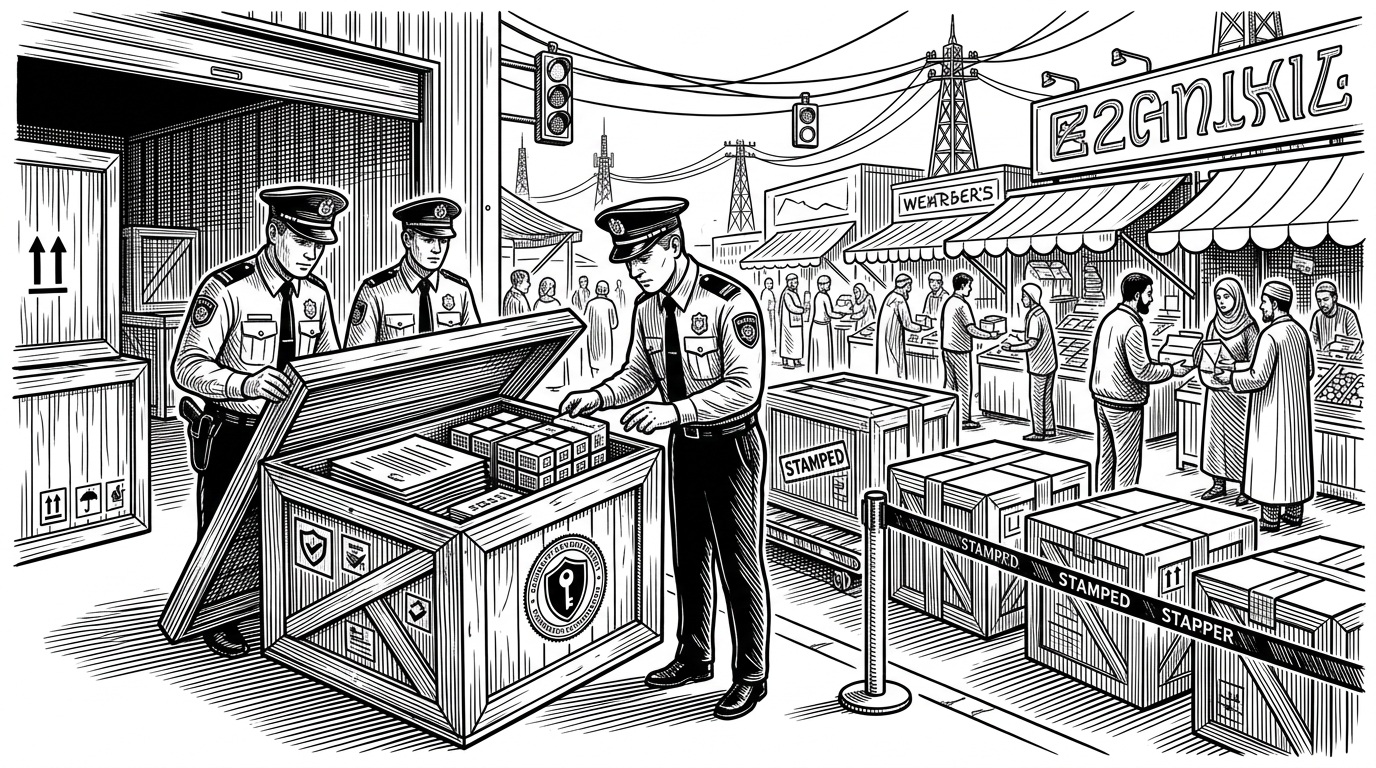
- Dify treats plugin distribution as a governed supply chain, not a loose folder of examples.
- The `.difypkg` boundary makes each plugin a repeatable artifact that CI can unpack, inspect, and publish.
- GitHub Actions in the repo enforce policy, from authorship and branding to one-package-per-PR discipline.
- Compared with framework-first ecosystems, Dify is building a marketplace layer around trust and distribution.
Most plugin repos are piles of examples. `langgenius/dify-plugins` is different. It is the gate between a contributor's package and Dify's marketplace, which means the real product is not the plugin code. It is the system that decides whether that code gets to ship.
A marketplace, not a pile of plugins
Dify, built by LangGenius, is a production platform for building LLM apps and agents. This repo extends that platform with models, tools, agent strategies, and other plugin types. The structure says a lot about the product philosophy: if a capability is going to live inside the platform, it should arrive as a named artifact with a manifest, a package boundary, and reviewable metadata.
This pull request enhances the plugin management system by introducing a new field to track the installation source of plugins.
At the top level, the repo looks like a registry. The folders are organized by vendor or author, and the interesting files live in CI, not just in plugin code. That is the clue: Dify is less interested in dumping code here than in controlling how the code moves.
What a `.difypkg` really carries
The package is the unit of trust. Inside the archive you typically find `manifest.yaml`, an entrypoint like `main.py`, dependencies, assets, and capability-specific folders. The package is opaque enough to ship cleanly, but explicit enough for the pipeline to unpack and verify.
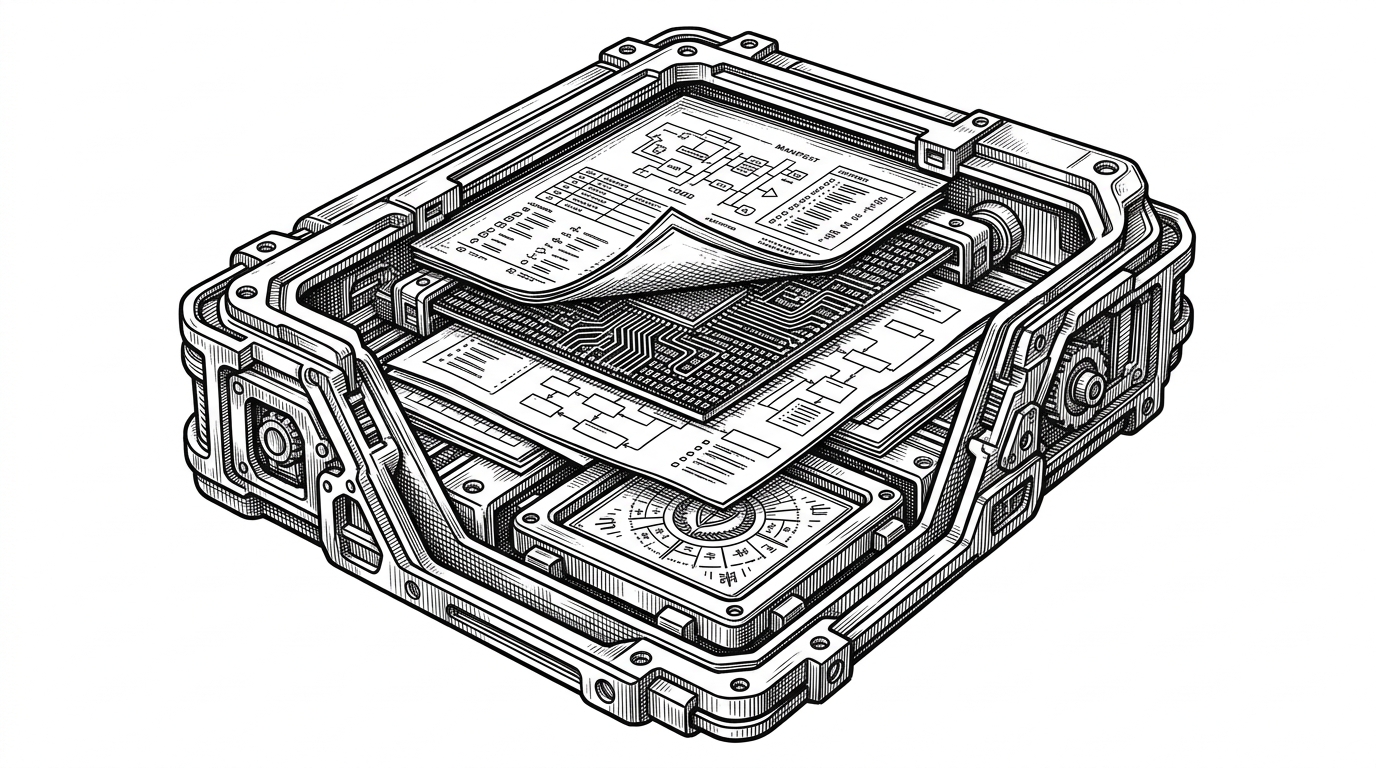
unpacked-plugin/
  manifest.yaml
  main.py
  requirements.txt
  assets/
    icon.svg
  tools/
    helper.py
That shape matters because it turns a messy integration problem into a consistent artifact problem. Reviewers are not asked to inspect an entire app. They are asked to inspect a package with a stable contract.
The CI customs booth
The repo's most revealing file is in `.github/workflows/pre-check-plugin.yaml`. It behaves like a customs booth. The workflow unpacks the package, checks author fields, rejects placeholder icons, and enforces a one-package-per-PR rule so the audit trail stays clean.
When the `.difypkg` file is missing from disk, the upgrade flow should detect this and re-download the package from the Marketplace, even if the DB/Redis declaration still exists.
That discipline matters because plugins are not just source code in a repo. They are deployable objects that can be installed, upgraded, and even re-downloaded when the local file disappears. The issue report above shows why traceability and recovery have to be part of the publishing system.
Why this is different from other AI ecosystems
Dify is not trying to win by being the most flexible library. It is trying to win by making extension delivery feel safe, legible, and repeatable. That puts it in a different lane from framework-first ecosystems that emphasize composability or visual assembly.
| Project | Artifact | Publish model | Trust model | What the user gets |
|---|---|---|---|---|
| Dify plugins | .difypkg package | PR, CI validation, marketplace upload | Manifest checks, icon checks, path enforcement | Governed marketplace artifacts |
| LangChain | Integrations and packages | Package manager installs and repo releases | Package trust and code review | Composable building blocks |
| Flowise | Nodes and flows | Visual assembly and export or import | App-level sharing and deployment controls | Drag-and-drop workflows |
| AutoGPT | Agent extensions and task logic | Repo-based sharing and community plugins | Project-level review | Autonomous task execution |
| SuperAGI | Agent modules and tools | Repository packages and services | Code review and platform controls | Agent infrastructure |
The contrast is structural. LangChain and Flowise help you build. Dify is also deciding how software enters the system, how it is branded, and how it is recovered after installation. That extra layer is what makes `dify-plugins` feel more like an app store registry than a convenience repo.
What the repo says about Dify
This repository points to a clear platform bet. Dify is not just shipping workflows or model orchestration. It is standardizing the lifecycle around those capabilities, from submission to validation to publication. Once you do that, the moat is no longer only the plugin itself. It is the rules that decide which plugins are allowed to exist.
That is the real story here. `langgenius/dify-plugins` is a supply chain for AI capabilities, with all the boring but essential machinery that makes a marketplace trustworthy. The repo's value is not that it collects extensions. It is that it turns extension publishing into a controlled, auditable, repeatable process.