npq: The Zero-Trust Bouncer for the npm Ecosystem
Why running npm install is the most dangerous thing you do all day, and how to intercept the threat before it hits your disk.

- The npq-hero alias intercepts npm install commands to audit package metadata before any code touches the local disk.
- The tool uses behavioral heuristics like package age and typosquatting detection to block zero-day attacks that lack official CVE records.
- A plugin-based Marshall architecture allows the engine to verify maintainer history and inspect dangerous postinstall scripts in isolation.
- A 15-second countdown mechanism balances security with developer experience by highlighting risks without permanently stalling automated workflows.
The Hero Alias: Intercepting the Install
Most developers treat package installation as a safe administrative task. In reality, it is the execution of untrusted third-party code with full filesystem access. The npm ecosystem is vast, and malicious actors know that a single typo can grant them access to thousands of machines.
The genius of npq lies in its deployment. Rather than asking developers to remember a new command, it offers an alias called npq-hero. You alias your standard npm command to this wrapper. When you type npm start or npm test, the proxy steps aside. But when it detects an install command, the bouncer steps in.
Beyond the CVE: Hunting for Heuristics
Traditional security tools scan your dependencies against a database of known vulnerabilities. This reactive approach is useless against zero-day supply chain attacks. By the time a malicious package earns a CVE designation, the damage is already done.
Instead of looking for known bugs, npq looks for behavioral red flags. It evaluates the hygiene and history of a package before allowing it through the door. This includes checking the package age, the number of downloads, and whether the maintainer domain has expired.
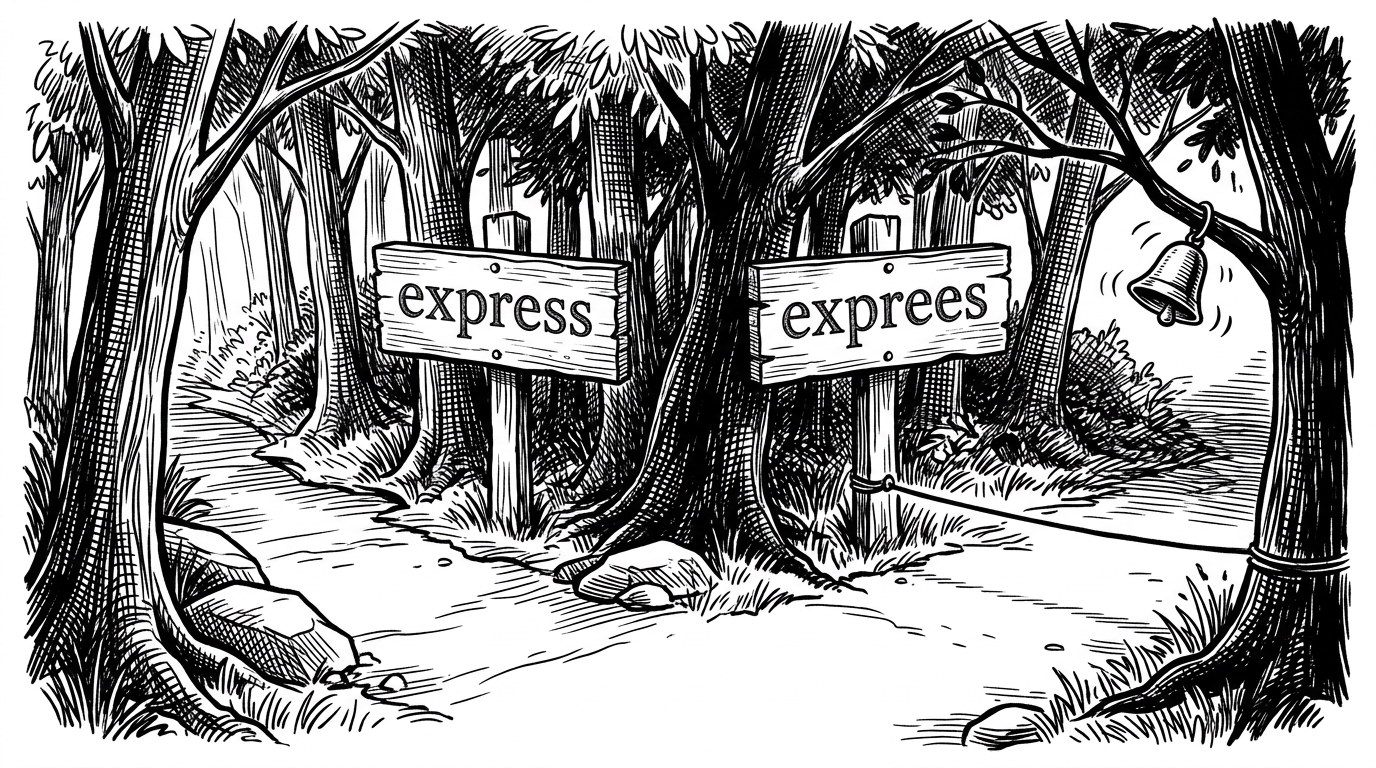
One of its most effective checks is for typosquatting. If you accidentally type exprees, the tool calculates the Levenshtein distance against a known-good list of popular packages and blocks the installation, warning you of the similarity to express.
The "Marshall" Architecture: A Plugin-First Security Engine
Under the hood, npq relies on an extensible plugin system built around a concept called Marshalls. Each security check lives in its own isolated file, extending a base class. This architecture makes it trivial to add new heuristics as attack vectors evolve.
When an audit begins, the orchestrator dynamically loads all available Marshalls. It then passes the package metadata through each one. Crucially, it uses a custom promise throttler to manage network requests. This prevents the tool from triggering rate limits when querying the npm registry or the Snyk API for large dependency trees.
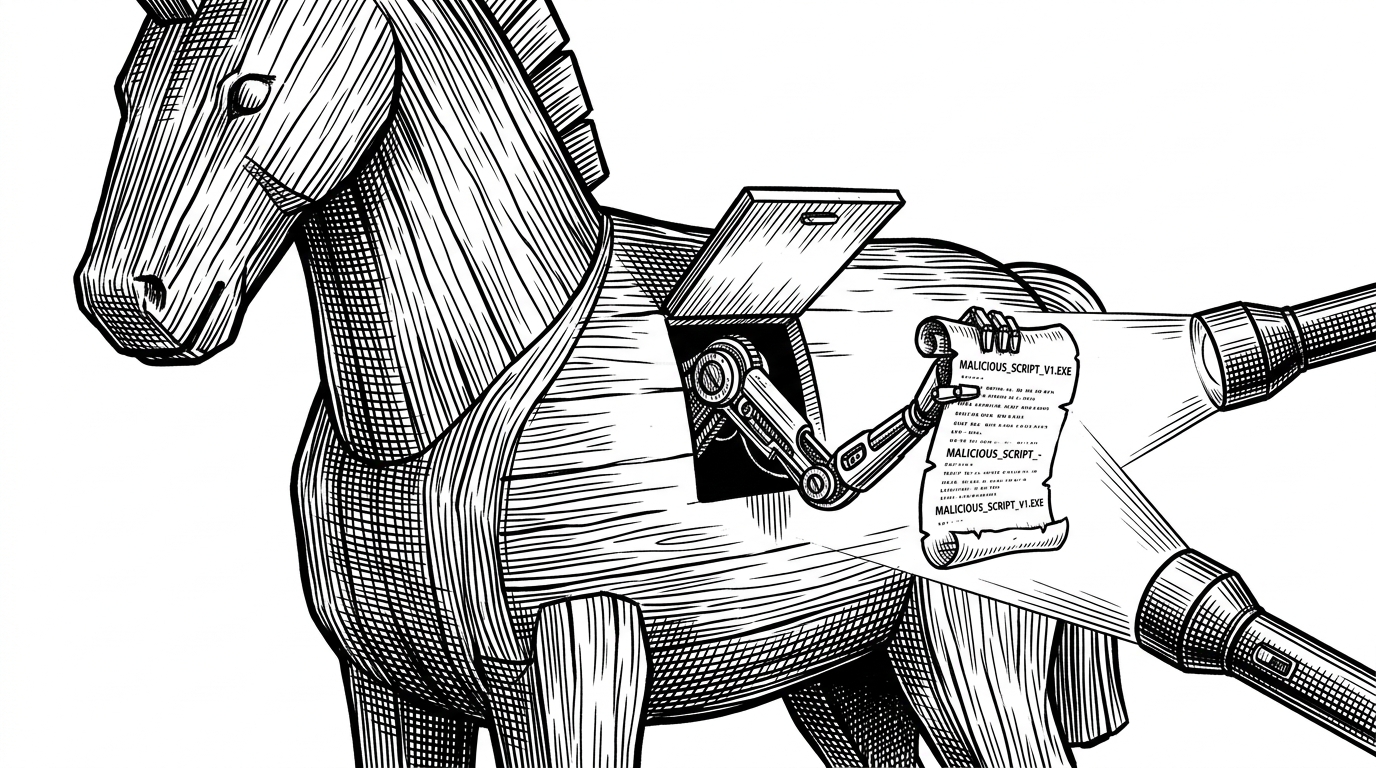
The script marshall is particularly vital. Most npm malware executes via postinstall scripts. By inspecting the package manifest before downloading the payload, npq forces these hidden scripts into the light, requiring explicit user consent before they run.
Friction vs. Security: The 15-Second Cooldown
Security tools often fail because they create too much friction. If a tool blocks every command with a prompt, developers will simply bypass it. npq solves this with an elegant user experience compromise.
When a warning is triggered, the CLI presents the findings and initiates a 15-second countdown. If the user does nothing, the installation proceeds automatically. This dead-man's switch ensures that warnings are highly visible without indefinitely blocking automated workflows or forcing the user to constantly hit the enter key.
| Feature | npq | npm audit |
|---|---|---|
| Timing | Pre-install (Intercepts command) | Post-install (Analyzes lockfile) |
| Detection Method | Heuristics and behavioral red flags | Known CVE database matches |
| Action Taken | Blocks and prompts for consent | Reports vulnerabilities passively |
| Scope | Zero-day malware and typosquatting | Documented vulnerabilities only |
The Lineage of Supply Chain Defense
The npm ecosystem has weathered countless security incidents, from the left-pad protest to sophisticated credential-stealing worms. Tools like npq represent a shift in how the community handles trust.

Authored by security researcher Liran Tal, the project codifies years of defensive patterns into a single binary. It acknowledges a harsh truth about modern software development. You cannot audit every line of code your application depends on. You can, however, build a better gatekeeper.
Sources: