Claude-Pulse: Engineering the AI Terminal's Missing Instrument Cluster
How a reactive status line turned Anthropic's CLI into a high-fidelity cockpit with real-time token tracking and emergency awareness.
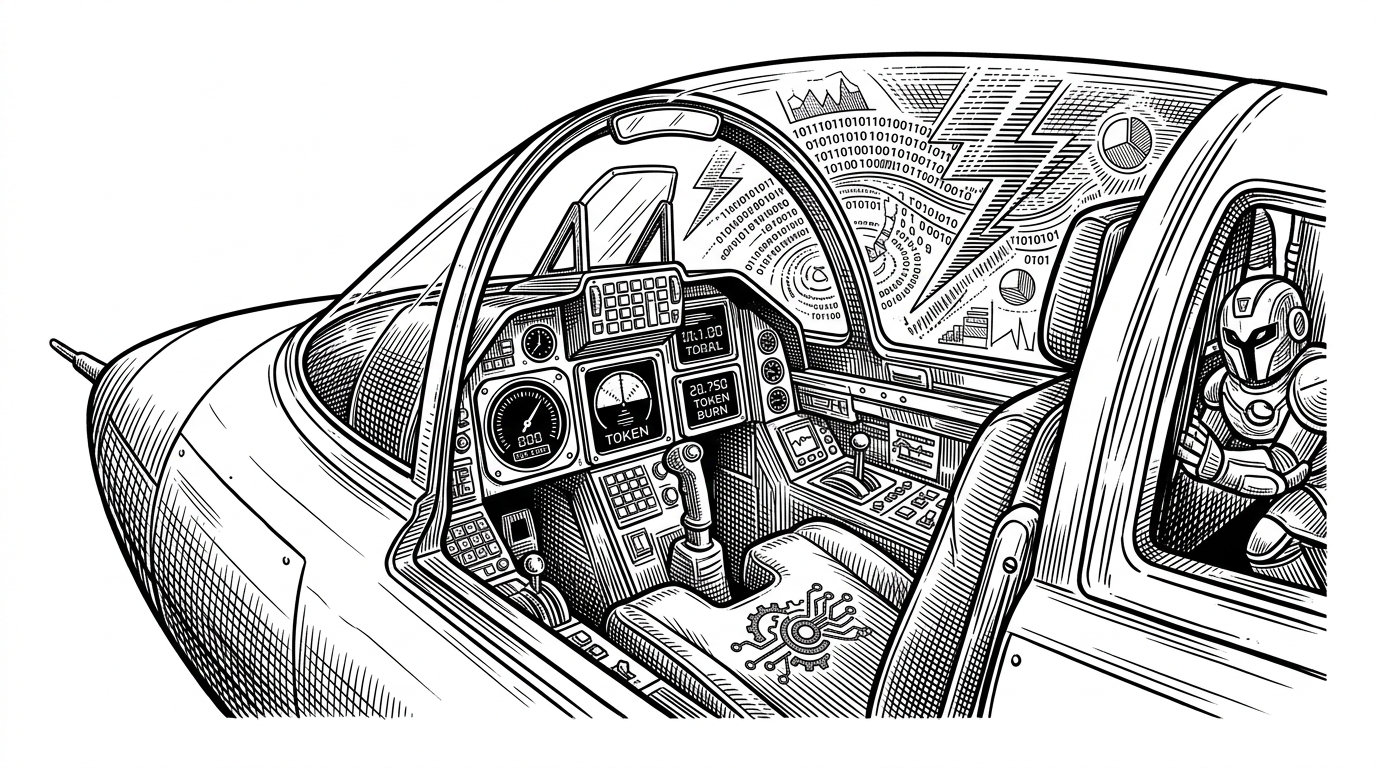
- Claude-Pulse transforms the static Claude Code CLI into a reactive dashboard with real-time token and context tracking.
- A background daemon integrates national rocket alert APIs directly into the terminal status line for situational awareness in conflict zones.
- The tool achieves billing-accurate data by scraping local JSONL transcripts instead of relying on high-latency API calls.
- An asynchronous sidecar architecture prevents the status line from blocking the main terminal UI thread.
Flying Blind in the Terminal
Developers using AI assistants in the terminal face a unique psychological toll. The anxiety of the infinite prompt is real. You can be mid-flow on a complex refactor only to be abruptly cut off by a rate limit or a massive billing spike. Standard CLI outputs fail to communicate the burn rate of tokens and context. The system operates as a black box.
Claude-Pulse directly addresses this terminal blindness. It acts as an instrument cluster for Claude Code. By hooking into the official CLI configuration, it transforms a static prompt into a reactive status line. Users finally get a visual progress bar of their context window and precise model tracking right above their cursor.
Coding Under Fire: The Red Alert Daemon
The project's most unique feature was born out of physical necessity. The lead developer integrated national rocket alerts directly into the coding status line. This transforms Pulse from a simple linter into a situational awareness tool.
The system uses a background script called the Red Alert Daemon. It polls the Israeli Home Front Command (Pikud HaOref) API every two seconds. When an alert triggers for a user-configured city, the terminal status line flashes red and plays a native audio warning. It allows developers in conflict zones to balance deep work with life-safety awareness.
The Transcript Tagger: Reverse-Engineering Claude's Logs
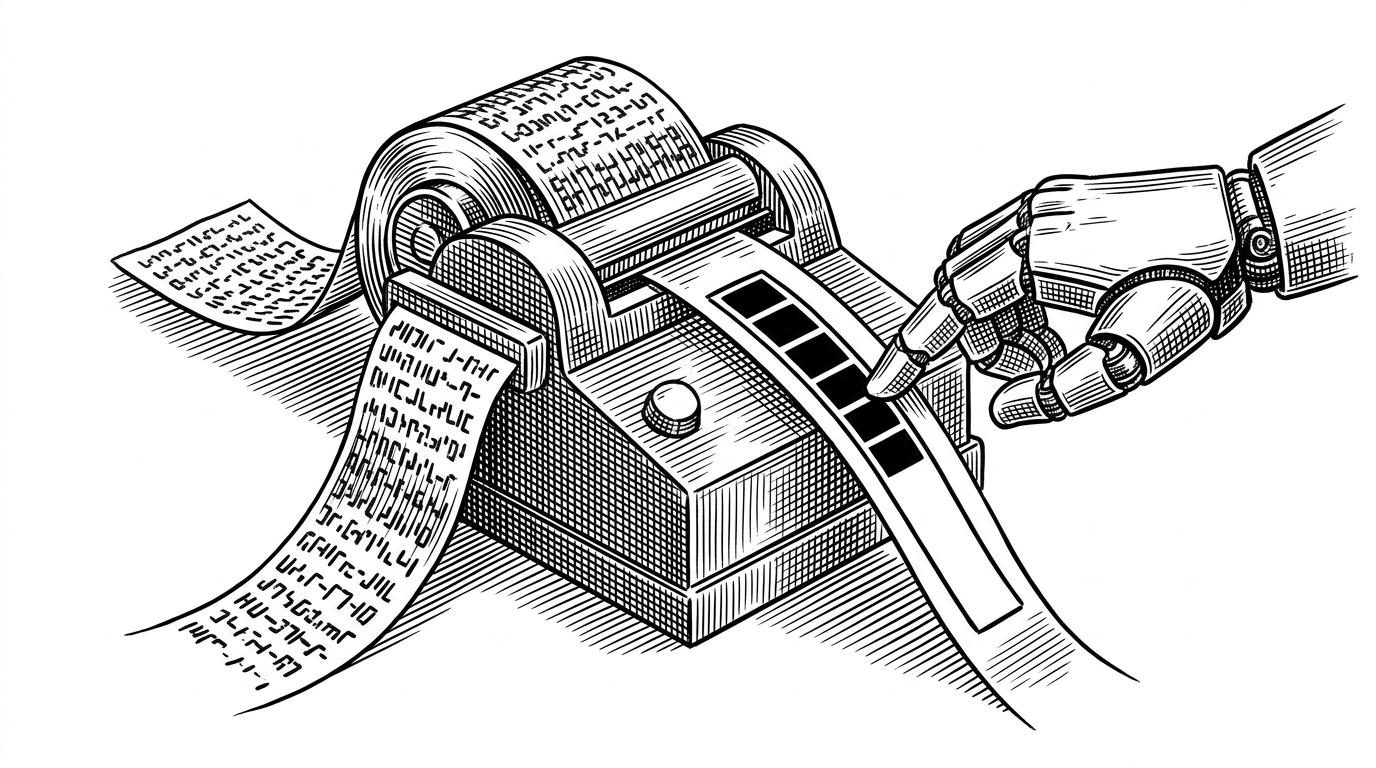
Fetching real-time usage data from a cloud API introduces latency and costs tokens. To solve this, Pulse bypasses the network entirely. It uses a log-scraping engine built entirely in Bash and PowerShell.
The script tails Claude Code's internal JSONL transcript files. It parses these logs locally to calculate input tokens, cache creation tokens, and cache read tokens. This approach yields billing-accurate data without relying on external API calls. It reveals a deep understanding of prompt caching architecture.
The Sidecar Strategy
A status line must have zero latency. If the CLI blocks while waiting for an external API response, the developer experience degrades instantly. Pulse solves this using a sidecar strategy. Heavy external tasks run in background daemons, writing results to atomic local files. The status line simply reads the local file.
The script also employs a resilient fallback logic for model detection. It attempts to parse the high-fidelity transcript first. If that fails, it reads local settings files. If all else fails, it relies on hardcoded defaults. This guarantees the status line never breaks the user's terminal session.
| Feature | Stock Claude Code | Claude Code + Pulse |
|---|---|---|
| Quota Visibility | Hidden | Real-time Progress Bar |
| Model Transparency | Technical ID | Friendly Name |
| External Awareness | None | Red Alert / PR Status |
| Cost Tracking | Estimated | Billing-Accurate |
Instrumentation as a Standard
As AI agents execute longer and more complex tasks, the need for visibility grows. The terminal can no longer be a text-only interface. It must evolve into a stateful dashboard. Tools like Claude-Pulse prove that developers demand exactness and transparency over their AI resources.
The gap between a simple command-line prompt and a fully instrumented cockpit is closing. By combining local log parsing with asynchronous daemons, Pulse models the future of the AI developer environment.
Sources: