OpenBoot: Moving Beyond the Brittle Shell Script
How a Go-based orchestrator is turning manual macOS setup into shareable, declarative infrastructure.
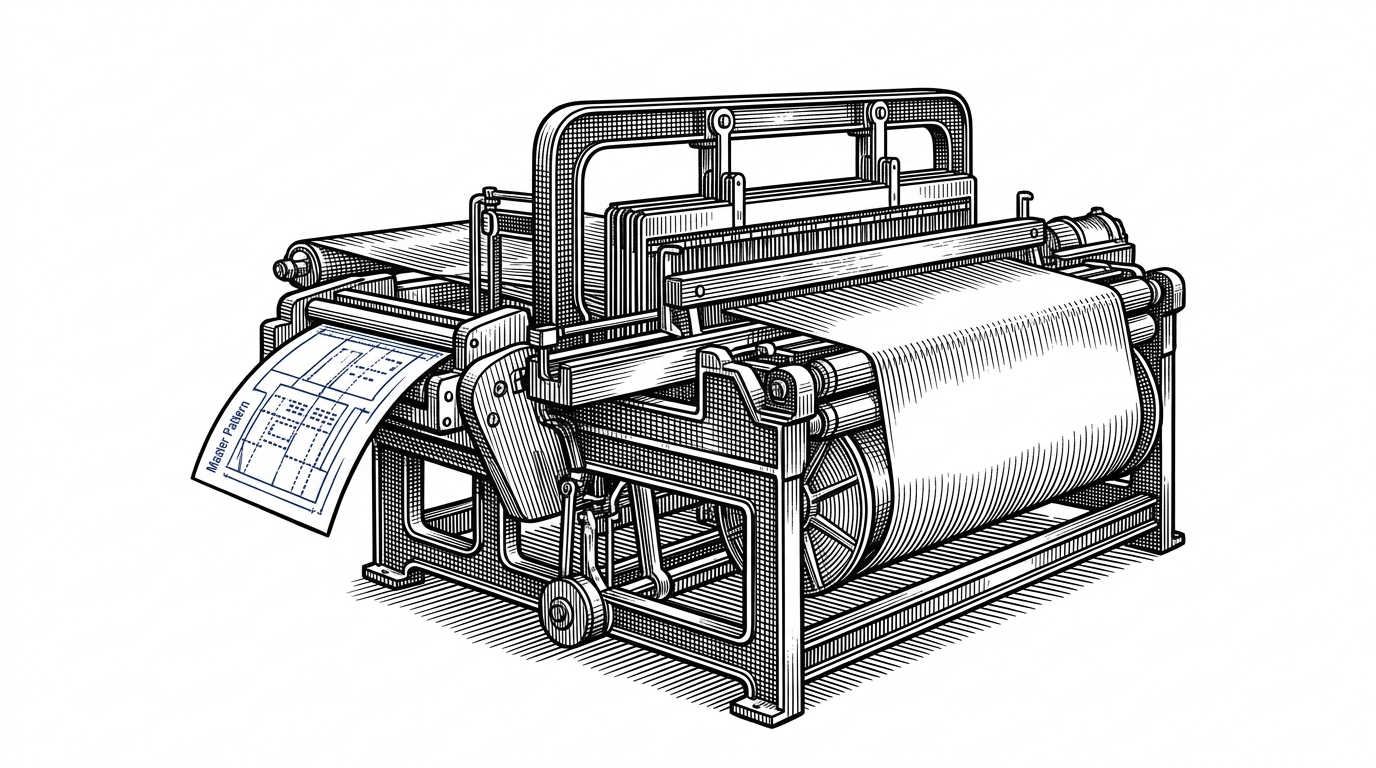
- OpenBoot replaces manual shell scripts with a Go-based engine that captures live system states into portable JSON manifests.
- The tool uses an interactive TUI to bridge the gap between user-friendly selection and declarative infrastructure.
- A context-aware scanner detects project markers like Dockerfiles to proactively suggest and install required development runtimes.
- Remote registries allow teams to share and synchronize identical environment configurations across multiple workstations.
The End of the "Setup Day"
Every developer knows the ritual of the new machine. It usually involves a brittle shell script, a dozen manual package installations, and a frantic search for missing SSH keys. The traditional approach relies on a dotfiles repository or a Brewfile, but these only solve half the problem. They handle the software, but they leave the operating system configuration and development tools untouched.
OpenBoot flips the model from writing configuration to capturing it. Instead of forcing developers to manually construct a YAML file or a Bash script from scratch, the tool includes a snapshot mechanism. Running a single command captures the current state of a perfectly configured Mac, translating installed packages, Node globals, and macOS defaults into a portable JSON manifest.
This approach bridges the gap between a messy manual setup and a clean, reproducible environment. It turns a solitary chore into a team asset. A senior engineer can perfect their local environment, snapshot it, and instantly share the resulting blueprint with new hires.
A Compiled Orchestrator in a Scripting World
Most macOS setup tools are written in Bash or Ruby. They execute commands sequentially and hope for the best. If a network request fails halfway through a shell script, the system is left in an unpredictable state. OpenBoot abandons scripting languages entirely in favor of Go.
A compiled Go binary provides a safer foundation for system-level changes. It does not require a pre-installed runtime, and it handles errors robustly. The architecture relies on discrete, idempotent steps. If a user runs the installation command twice, the system recognizes what is already installed and skips redundant work.
OpenBoot is the first tool that handles everything — packages, dotfiles, shell config, macOS preferences, git identity — in an interactive TUI you can actually navigate.
The internal execution engine uses soft error handling heavily. Instead of halting the entire setup because a single minor package failed to download, the installer collects non-fatal errors and reports them at the end. This ensures that critical system preferences and necessary tools are still configured.
The Interactive Manifest
Declarative configuration is powerful, but writing it is tedious. Tools like Nix require engineers to learn a new functional language just to install a web browser. OpenBoot solves this by wrapping its Go engine in a Terminal User Interface (TUI).
The TUI bridges the gap between manual selection and declarative state. Users can visually select the tools, shell plugins, and macOS tweaks they want without ever touching a text editor. Behind the scenes, the tool translates these visual selections into a strict JSON manifest.

The system also includes a detection engine. It scans the local filesystem for project markers (like Dockerfiles or package.json files) and proactively suggests the necessary runtimes. This context-aware installation prevents the common issue of discovering a missing dependency only after a build fails.
Finding the Middle Path
The ecosystem of workstation automation is polarized. On one end are simple Brewfiles. On the other end are complex declarative systems like Nix-darwin. OpenBoot targets the missing middle.
| Tool | Configuration | Scope | Learning Curve |
|---|---|---|---|
| Brewfile | Text List | Packages Only | Low |
| chezmoi | Go Templates | Dotfiles | Medium |
| Nix-darwin | Nix Language | Entire OS State | High |
| OpenBoot | JSON / TUI | Packages, OS, Git | Low |
By relying on Homebrew for package management and Go for orchestration, the tool avoids reinventing the wheel. It acts as a high-level conductor for the tools developers already trust, rather than forcing them into an entirely new ecosystem.
Scaling the Individual to the Team
The true value of infrastructure as code is portability. OpenBoot extends this concept to local workstations through remote registries. A JSON manifest can be hosted centrally, allowing team leads to define a standard environment for their entire organization.

A new developer can run a single command referencing a team URL. The CLI fetches the remote configuration, compares it against the local machine, and applies the necessary changes idempotently. The "New Mac" ritual is reduced from a multi-hour ordeal to a brief, automated process.