openconfig/ygnmi: Compiling the Network
How type-safe path generation replaces fragile string queries with compiler-enforced network state.
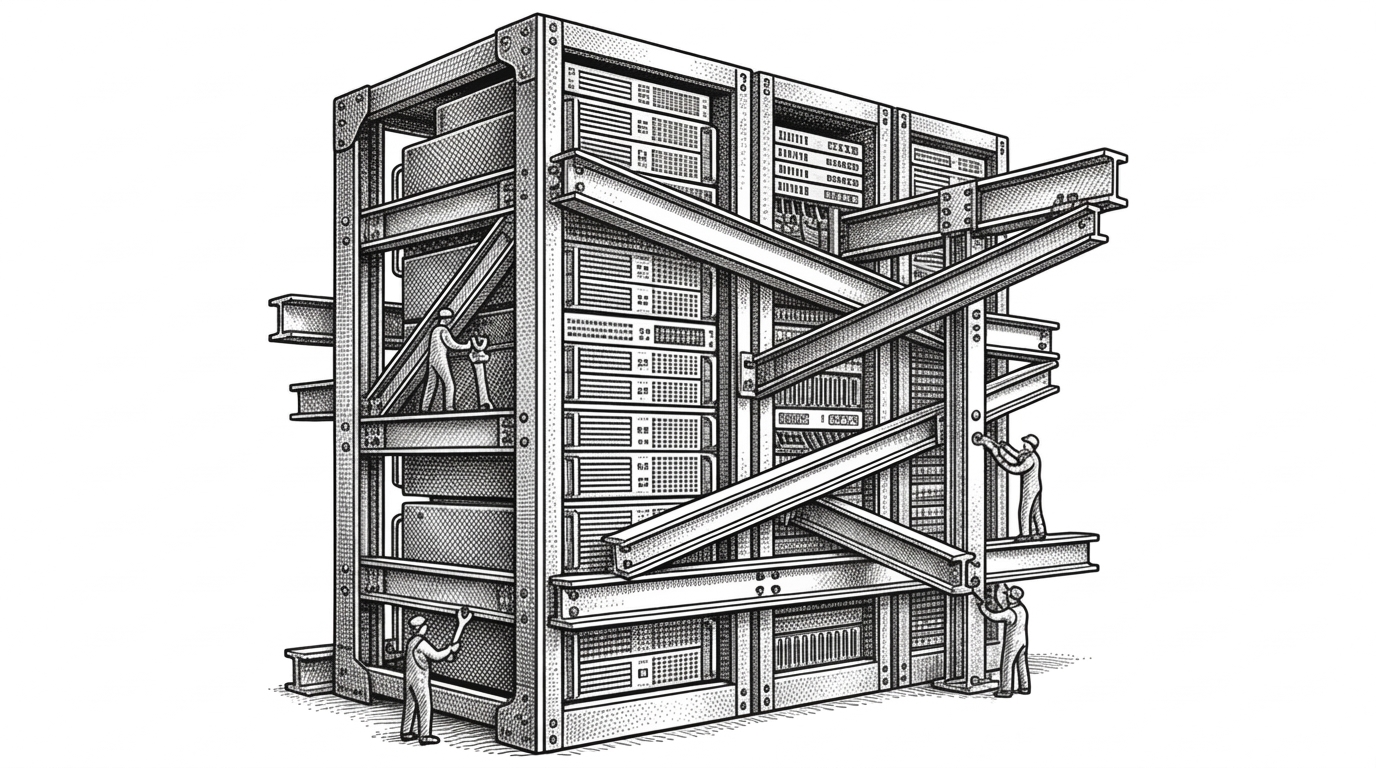
- The ygnmi library shifts network automation failures from runtime to compile time by converting YANG modules into a statically typed Go API.
- Go generics and extraction functions eliminate the need for manual type assertions when querying specific device leaves.
- The library automatically handles the discrepancy between intended configuration and operational state through a generated shadow path system.
- Distinct error categorization allows developers to identify whether device noncompliance stems from path, type, or value mismatches.
The Fragility of String-Based Telemetry
Network automation has a stringly-typed problem. Engineers query routers and switches using fragile, manually constructed XPaths. A single typo in a path string causes a runtime panic during a production deployment.
The gNMI (gRPC Network Management Interface) protocol is powerful. It allows operators to stream telemetry and configure devices at scale. However, interacting with it usually means writing long, error-prone path strings and manually unmarshaling Protobuf responses using reflection.
// The old, fragile way (raw strings)
path := "/interfaces/interface[name=eth0]/state/counters/in-octets"
// Fails at runtime if the path is misspelled or the device schema changes.

// The ygnmi way (fluent, compiled API)
query := ocpath.Root().Interface("eth0").State().Counters().InOctets().State()
// Fails at compile time if the path is invalid.
Code Generation as an API
The openconfig/ygnmi library solves this by turning network schemas into statically typed, compiled Go code. It acts as a metaprogramming layer for network infrastructure. The goal is moving the failure domain from runtime to compile time.
The architecture splits into two distinct phases. First, a CLI generator consumes YANG modules using the ygot toolkit. This produces standard Go structs and a custom Path Library. Second, the runtime client uses these generated paths to execute subscriptions and set operations.
Anatomy of a Type-Safe Query
The magic happens inside ygnmi/types.go. This file defines the core structural types that represent queries. It bridges raw YANG schema paths and concrete Go types.
By leveraging Go generics, the library ensures that a query for a Maximum Transmission Unit (MTU) returns a uint16. A query for a description returns a string. There is no need for type assertions or interface casting.
The ExtractFn[T] closure solves the deep-nesting problem inherent to YANG models. In OpenConfig, a leaf is often nested inside several containers. The extraction function knows exactly how to traverse the resulting GoStruct to find the specific field.
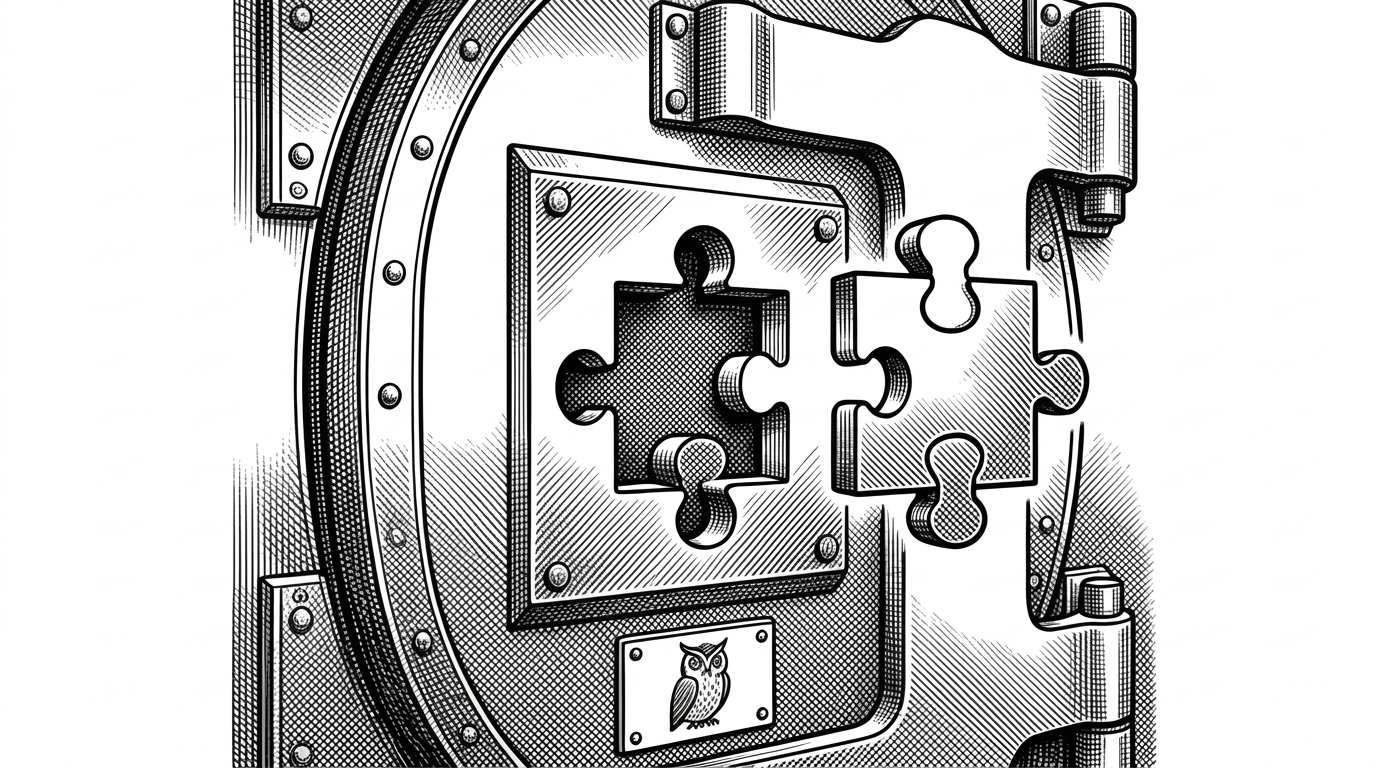
ExtractFn[T] and Go generics ensure exact type matching before the code ever runs.Shadow Paths and the Compliance Gap
Network operators know that intended configuration rarely matches applied state perfectly. A device might be configured for a specific MTU, but the operational state could reflect a negotiation fallback.
The generator handles this reality through shadow paths. By enforcing a prefer_operational_state flag during generation, the API automatically pivots between config leaves and state leaves. Telemetry queries default to the actual operational state of the device.
"The library supports querying telemetry and unmarshaling it into generated structs and setting config. Only gnmi.Subscribe and gnmi.Set RPC are supported by this library."
Unlike clients that simply fail on unmarshaling errors, this library categorizes noncompliance. It separates errors into Path, Type, and Value noncompliance. This allows users to inspect exactly why a device response diverges from the YANG model.
The Tooling Divide
The gNMI ecosystem is diverse. Choosing the right tool depends entirely on the persona and the deployment context.
While tools like gNMIc dominate the CLI and telemetry collection space, ygnmi is the developer choice for building robust Go applications. It eliminates the string-path fragility that plagues automation scripts. It operates less like a general-purpose collector and more like a specialized scalpel for engineers building complex controllers.
| Tool | Language | Typing | Primary Persona |
|---|---|---|---|
| ygnmi | Go (Library) | Static (Generated) | Developer / SDET |
| gNMIc | Go (CLI/Collector) | Dynamic | Operator / SRE |
| pygnmi | Python (Library) | Dynamic | Scripter / Automation |
Sources: