LendeX: The Architectural Case for the Vanilla Marketplace
How a "framework-less" P2P platform uses CSS tokens and Firebase shims to outpace modern JS bloat.
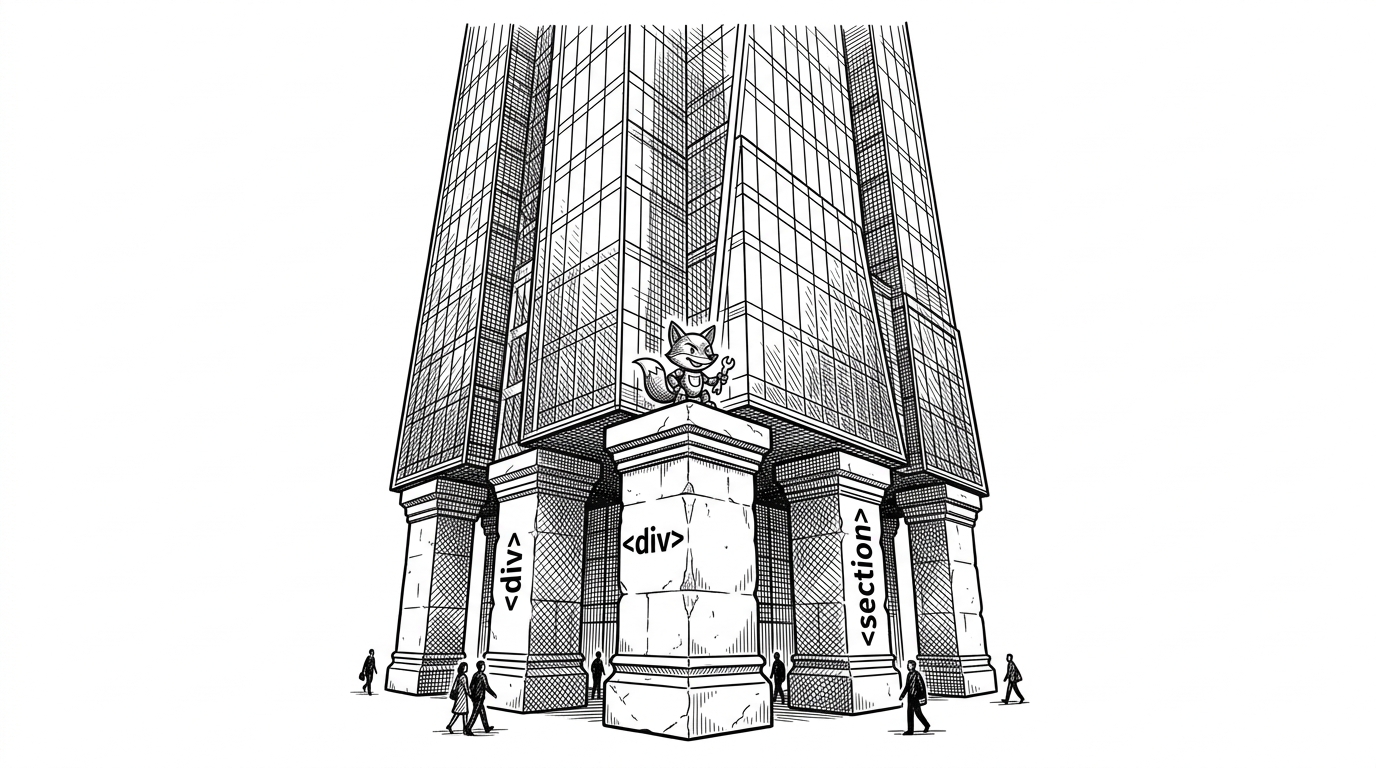
- LendeX achieves a high-fidelity SaaS aesthetic using native CSS variables and zero-build vanilla JavaScript instead of heavy frameworks.
- A just-in-time synchronization pattern bridges the gap between Firebase authentication and custom role-based backend data.
- The platform enforces marketplace trust by manually validating date overlaps and rental history within the Node.js controllers.
- Global state and theme switching rely on native DOM events and CSS data attributes rather than complex state management libraries.
The High-Fidelity Ghost in the Machine
The modern web development ecosystem defaults to heavy frameworks. Developers reach for Next.js and complex state management libraries to build even the most basic CRUD applications. LendeX takes a defiant step backward. It is a peer-to-peer rental marketplace that delivers a sophisticated, role-based experience using only standard HTML, CSS variables, and a thin Node.js backend.
The frontend looks like a high-end SaaS product. It features dark mode, glassmorphism, and real-time authentication. Yet, a look at the repository reveals zero build steps and no package installations for the client. Instead, it relies on a Multi-Page Application model, navigating between distinct HTML files while sharing a global state via a lightweight authentication script.
This approach eliminates hydration issues. The client simply listens for custom DOM events, such as a localized auth state observer, to paint the user interface.
The "Just-In-Time" Identity
Managing users in a decentralized marketplace requires linking authentication with persistent business data. LendeX uses a hybrid approach to solve this. Firebase handles the actual login mechanics on the client, but the application requires specific roles and metadata that Firebase Auth does not natively store.
The solution is a synchronization pattern. When a user authenticates on the frontend, the client immediately pings a backend sync endpoint. The Express server intercepts the Firebase token, verifies it, and provisions a corresponding document in a Firestore user collection.
This creates a just-in-time identity. It bridges the gap between a third-party identity provider and the platform's internal relational requirements. The backend assigns default roles and maps document IDs, ensuring that subsequent requests have the context needed for role-based access control.
Engineering Trust in a NoSQL World
A peer-to-peer marketplace runs on trust and availability. Because LendeX uses Firestore, a NoSQL database, it lacks the complex relational joins standard in SQL environments. The backend controllers must manually orchestrate relationships between users, products, and bookings.
The booking controller contains the critical logic for preventing double-bookings. Without native date-range constraints in the database, the server fetches all active bookings for a specific product. It then iterates through them in memory to validate that a requested rental period does not overlap with existing confirmed dates.

Trust is enforced similarly in the review controller. To prevent review bombing, the system refuses feedback unless it can verify a completed transaction. It queries the booking history to ensure the user actually rented the specific item before allowing them to rate it.
| Architecture | Frontend Payload | State Management | Build Time |
|---|---|---|---|
| Standard React Boilerplate | Large (Framework + Hydration) | Complex (Redux/Zustand) | Minutes (Webpack/Vite) |
| LendeX (Vanilla+) | Minimal (Raw HTML/JS) | Simple (Window Object + DOM Events) | Zero (No Build Step) |
CSS as a First-Class Citizen
The visual identity of LendeX relies entirely on a well-architected stylesheet. Instead of importing utility-class libraries like Tailwind or component libraries like Material UI, the repository uses native CSS variables to create a comprehensive design system.
Tokens define spacing, typography, and shadows at the root level. When a user toggles the interface theme, a data attribute is applied to the document body. The CSS variables instantly update the entire interface without requiring a single JavaScript re-render.
This approach extends to complex visual treatments. The platform makes heavy use of background filters to achieve glassmorphism, proving that modern browser engines are more than capable of handling high-fidelity design without heavy tooling. LendeX demonstrates that stepping away from the framework ecosystem often leads to a deeper understanding of the web platform itself.