The ASGI Scalpel: Inside starlette-hot-reload
How a zero-dependency middleware uses Server-Sent Events to bring Vite-like frontend updates to Python.
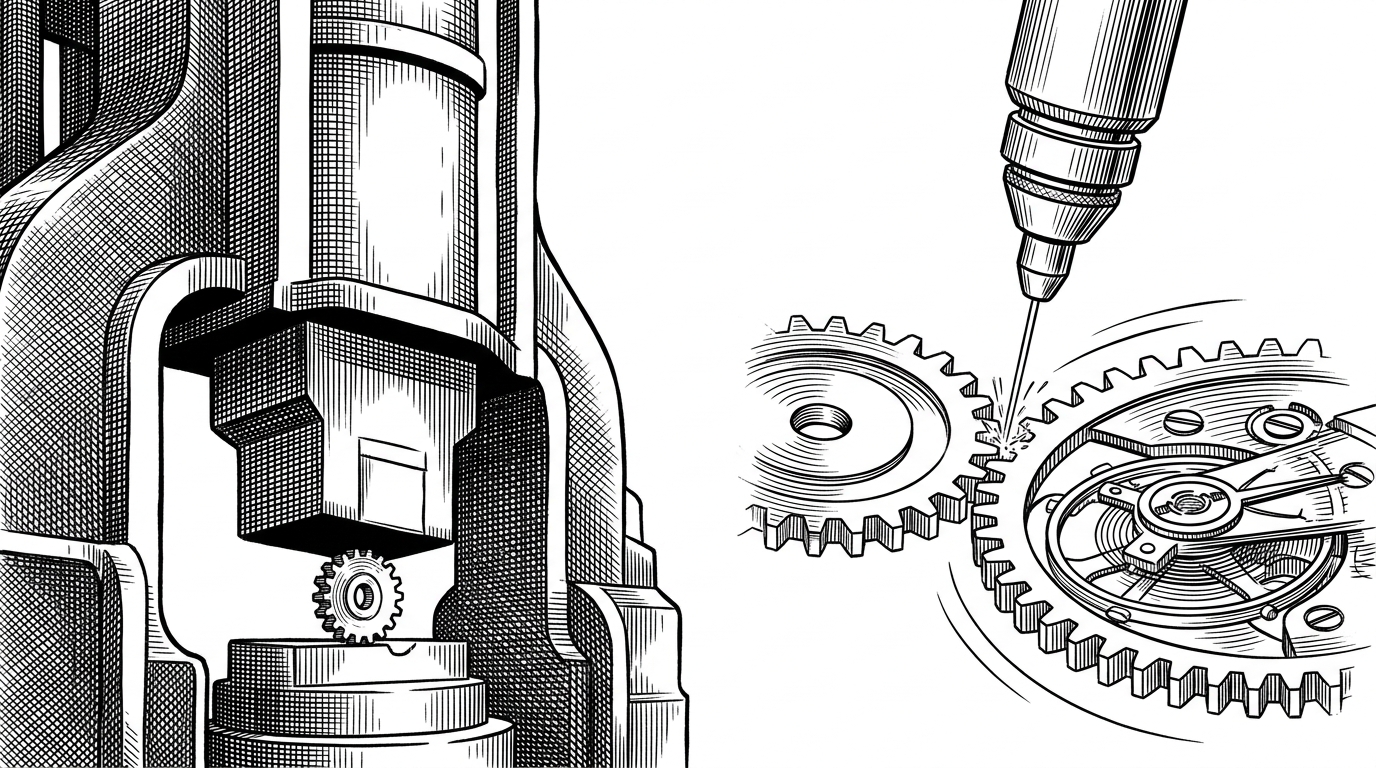
- starlette-hot-reload bypasses heavy build tools to offer instantaneous frontend updates for Python applications.
- The middleware relies on Server-Sent Events instead of WebSockets to create a lightweight unidirectional data flow.
- Raw ASGI manipulation injects vanilla JavaScript into outgoing HTML streams without breaking the application state.
The Full-Process Penalty
Python web developers using Jinja2 or FastAPI suffer from slow frontend feedback loops. Changing a simple CSS hex code traditionally requires Uvicorn to restart the entire backend process. This is a sledgehammer for a thumbtack. Dropping state and rebooting database connections slows development to a crawl.
Rejecting the WebSocket Default
Most live-reloaders default to WebSockets. This introduces heavy bidirectional communication and extra dependencies. The creator of starlette-hot-reload chose Server-Sent Events (SSE) instead. SSE provides a unidirectional standard HTTP protocol perfectly suited for a server notifying a client.
| Solution | Reload Scope | Protocol | Dependencies |
|---|---|---|---|
| Uvicorn --reload | Full Server | File Watcher | None |
| Arel | Browser Only | WebSockets | websockets library |
| starlette-hot-reload | Browser Only | SSE | None |
Surgical ASGI Injection
The technical core relies on bypassing Starlette's BaseHTTPMiddleware. That standard class introduces context variable overhead and performance penalties. Instead, the project uses a raw ASGI callable to intercept the byte stream.
The CSS Cache-Busting Trick
The injected client script contains smart update logic. When an SSE 'css' event arrives, the script finds all stylesheet link tags and appends a timestamp query parameter. This forces the browser to re-fetch the CSS without a jarring page refresh.
if (event.data === 'css') {
  const links = document.querySelectorAll('link[rel="stylesheet"]');
  links.forEach(link => {
    const url = new URL(link.href);
    url.searchParams.set('_hot_reload', Date.now());
    link.href = url.toString();
  });
}